Build Your Summer 2026 Sewing Plan Straight From Your Fabric Stash
Summer is short and your stash is deep. Here's how to turn the fabric you already own into a sewable warm-weather plan — without another fabric order.
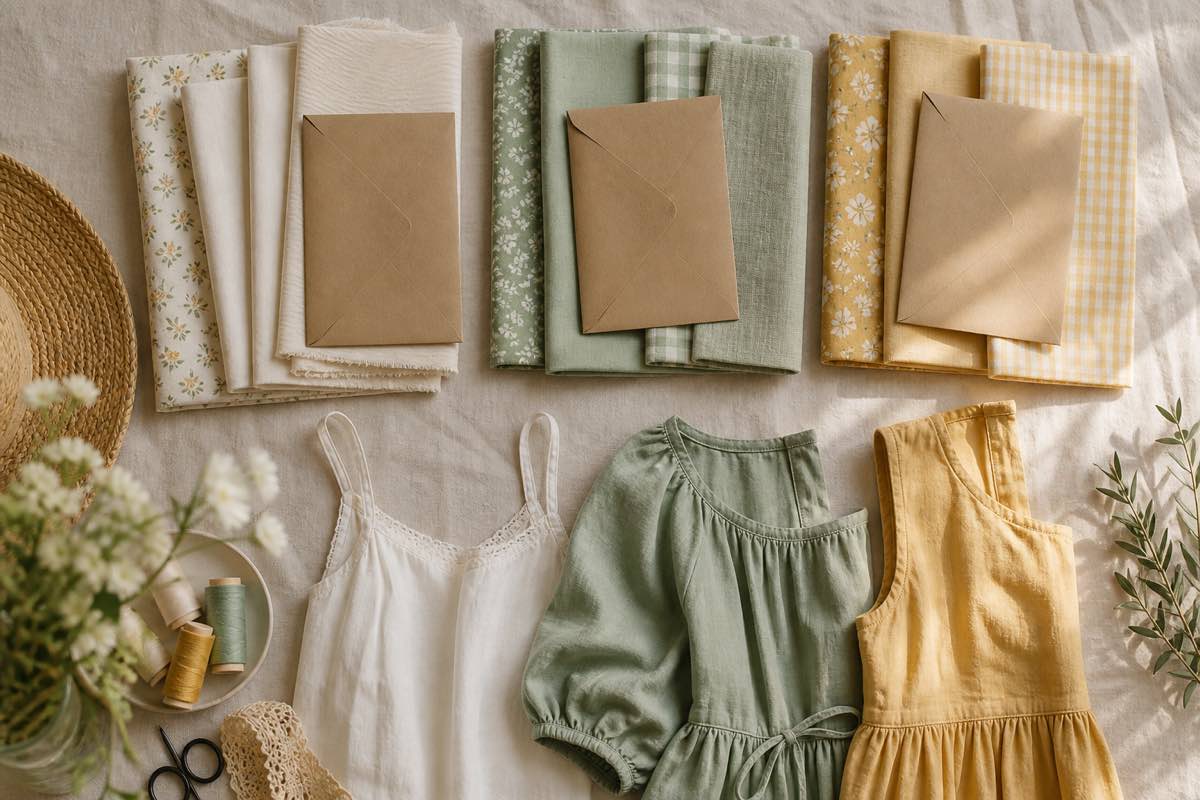
Summer is short — sew the stash you already have
Every June the same thing happens: the weather turns, you want a closet full of breezy makes, and you open a new tab to buy more fabric. Meanwhile the perfect linen for a wide-leg pant has been folded in a bin since last year.
The smartest summer sewing plan doesn't start with a shopping cart. It starts with what you already own. Most sewists are sitting on a season's worth of lightweight cotton lawn, linen, double gauze, and rayon — they just can't see it all in one place, so it never makes it onto the cutting table.
This guide walks through a stash-first summer plan, and how Sewist Studio turns "I have a lot of fabric somewhere" into a concrete list of warm-weather projects you can start this weekend.
Step 1: See your summer fabric at a glance
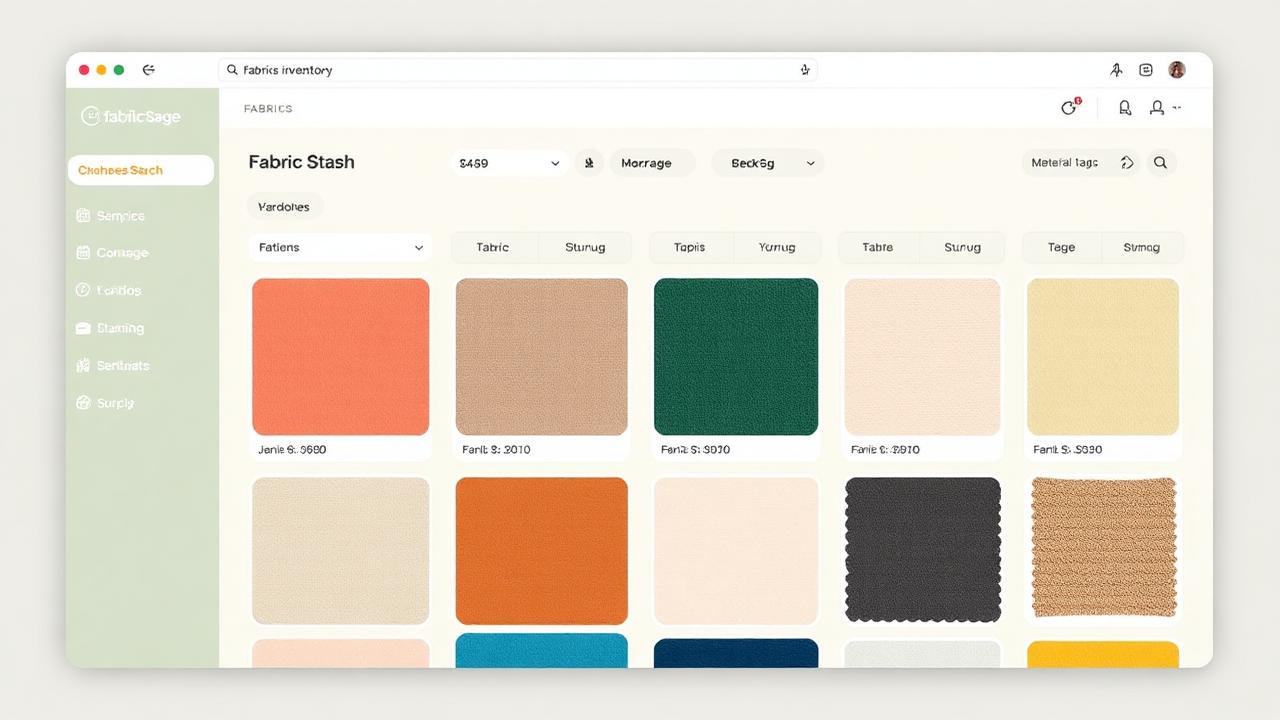
You can't plan around fabric you've forgotten you have. Before anything else, get your stash into a single searchable view — logged with the details that matter for summer sewing:
- Yardage — a breezy dress and a button-up need very different amounts
- Fiber content — cotton, linen, rayon, and double gauze breathe; that mystery poly does not
- Weight — lightweight and drapey is the summer sweet spot
- Color family — so you can pull "all my summer brights" instantly
With a digital fabric stash, you can filter straight to the breathable, sub-medium-weight cuts and ignore the wool you bought for a winter coat. That filtered view is your summer fabric library.
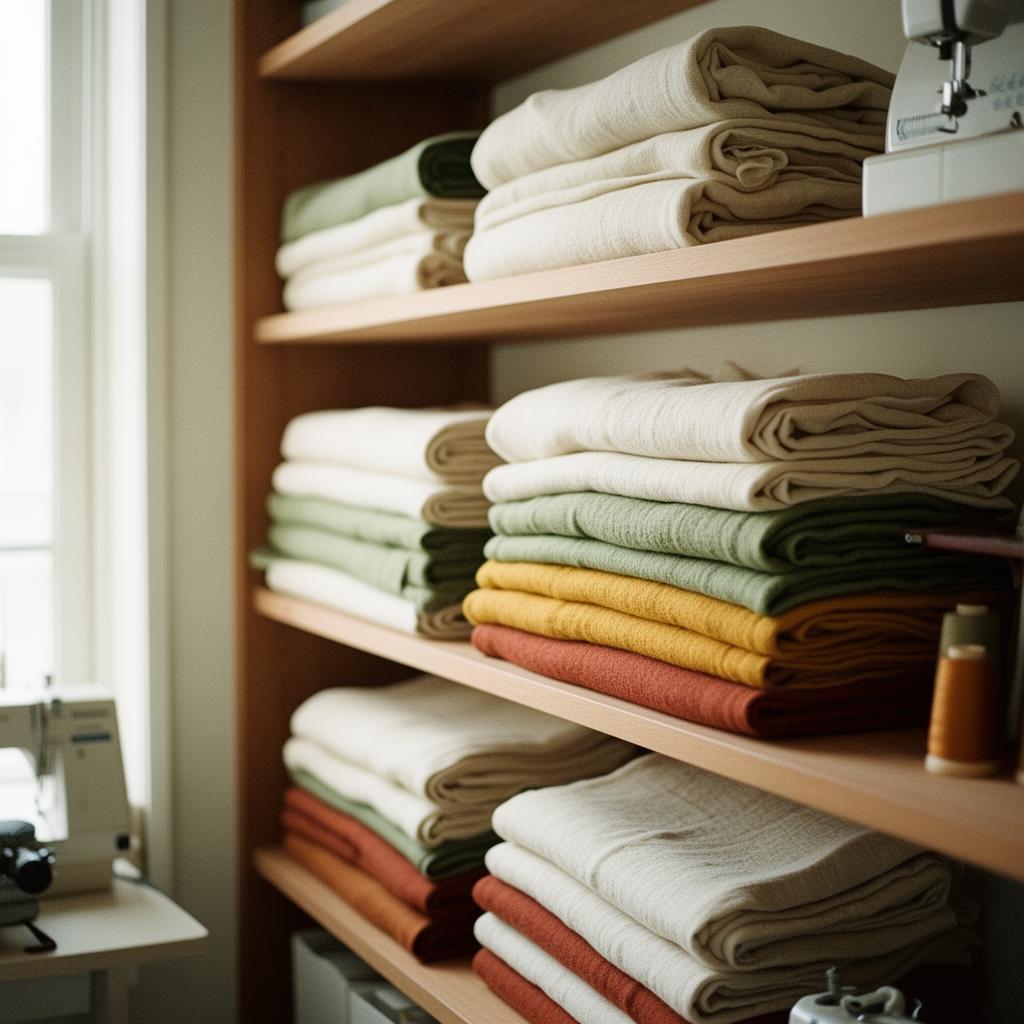
Step 2: Let the Stash Planner do the matching
Here's where planning from your stash stops being a chore. Instead of cross-referencing patterns and fabric in your head, the Stash Planner does it for you.
Tell it you want warm-weather makes, and it looks at the fabric you actually own — yardage, fiber, and weight — and surfaces projects you have enough material for right now. No "I'll just order two more yards." If a wide-leg trouser needs 2.5 yards and you have 2.8 of the right linen, it tells you it's a go.
This is the difference between a summer wishlist and a summer plan: the plan only includes things you can cut today.
Step 3: Get unstuck with AI Project Ideas
Some fabric defeats you. You love it, but you have no idea what it wants to become — especially those 1.5-yard remnants that feel too small for a dress and too good to waste.
AI Project Ideas takes a single cut of fabric and suggests summer-appropriate projects scaled to your yardage: a camp shirt, a bias-cut cami, a gathered skirt, a set of napkins for the patio. It's a brainstorming partner for exactly the fabric that's been stalling you since last summer.
Step 4: Pair fabric to the patterns you own
A summer plan isn't just fabric — it's the pattern that finally gives that fabric a purpose. If your patterns are already cataloged, match fabric to pattern so each cut gets assigned a make. Now your plan reads like a real queue:
- 2.8 yds sage linen → wide-leg trousers
- 2 yds floral lawn → tiered midi dress
- 1.5 yds double gauze → cropped camp shirt
- scraps → patchwork tote for the beach
Step 5: Queue it up and sew it down
Drop your chosen makes into the project tracker so the season has a visible finish line. Watching a "summer 2026" board move from planned to cutting to done is what keeps the momentum going when July gets busy.
Your stash-first summer plan in 5 steps
1. Catalog your fabric with yardage, fiber, and weight (snap photos as you go).
2. Filter to lightweight, breathable fabrics — that's your summer library.
3. Run the Stash Planner to find makes you have enough fabric for today.
4. Use AI Project Ideas for the odd remnants you can't place.
5. Queue them in the project tracker and sew the season down.
A short summer plus a deep stash is the perfect reason to sew what you own. Start your plan now and you'll be cutting before the weekend.