How to Plan Your Next Sewing Project From the Fabric You Already Own
Your stash is full of potential — you just need a system for seeing it. Here's how to turn the fabric you already own into a steady pipeline of finished projects.
Your stash is a project pipeline in disguise
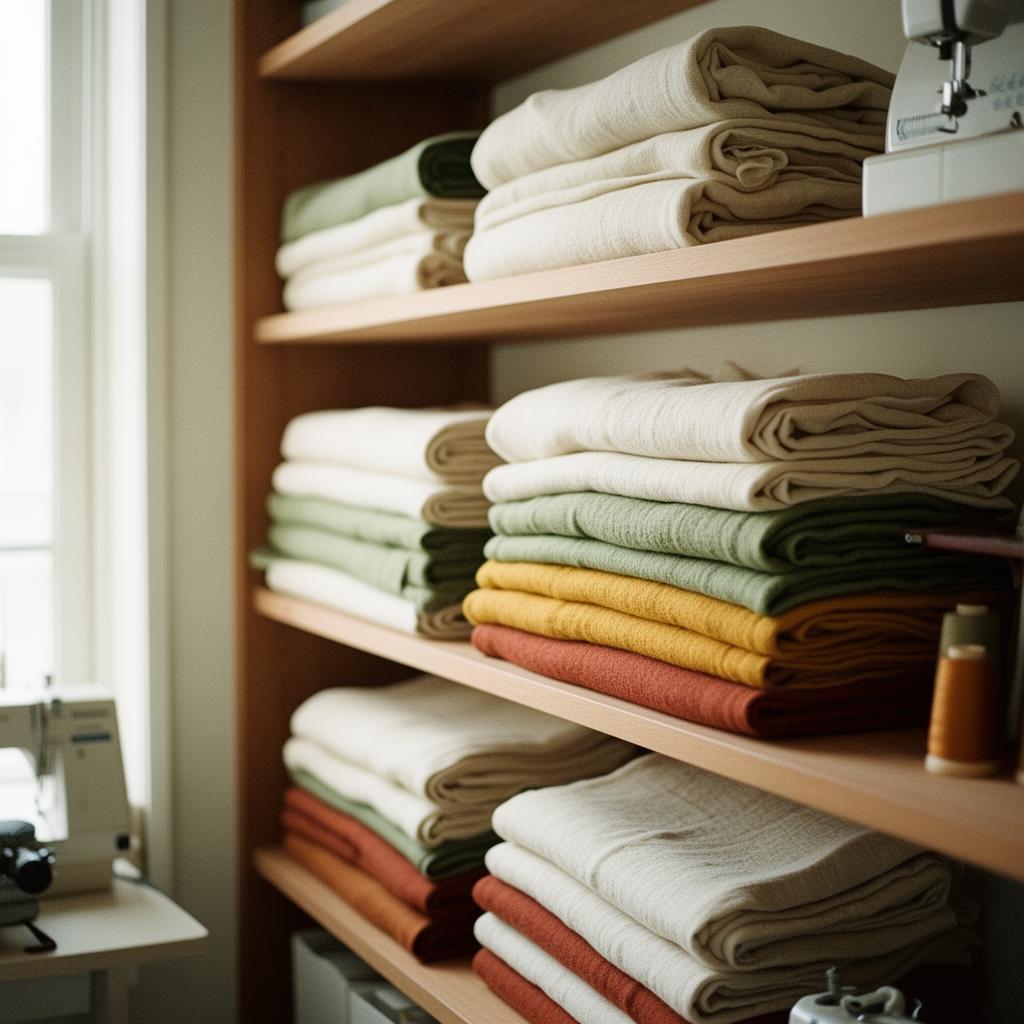
Most sewists have more fabric than time. The cuts you bought on sale, the gifts from a destashing friend, the impulse buy you couldn't resist — they all add up. And yet the moment you sit down to start a new project, the first instinct is often to buy more fabric.
The fix isn't more discipline. It's making your stash easy to see, search, and match against patterns you already love. When that's in place, your next ten projects are sitting on your shelves — you just need a system to find them.
Step 1: Make your stash visible
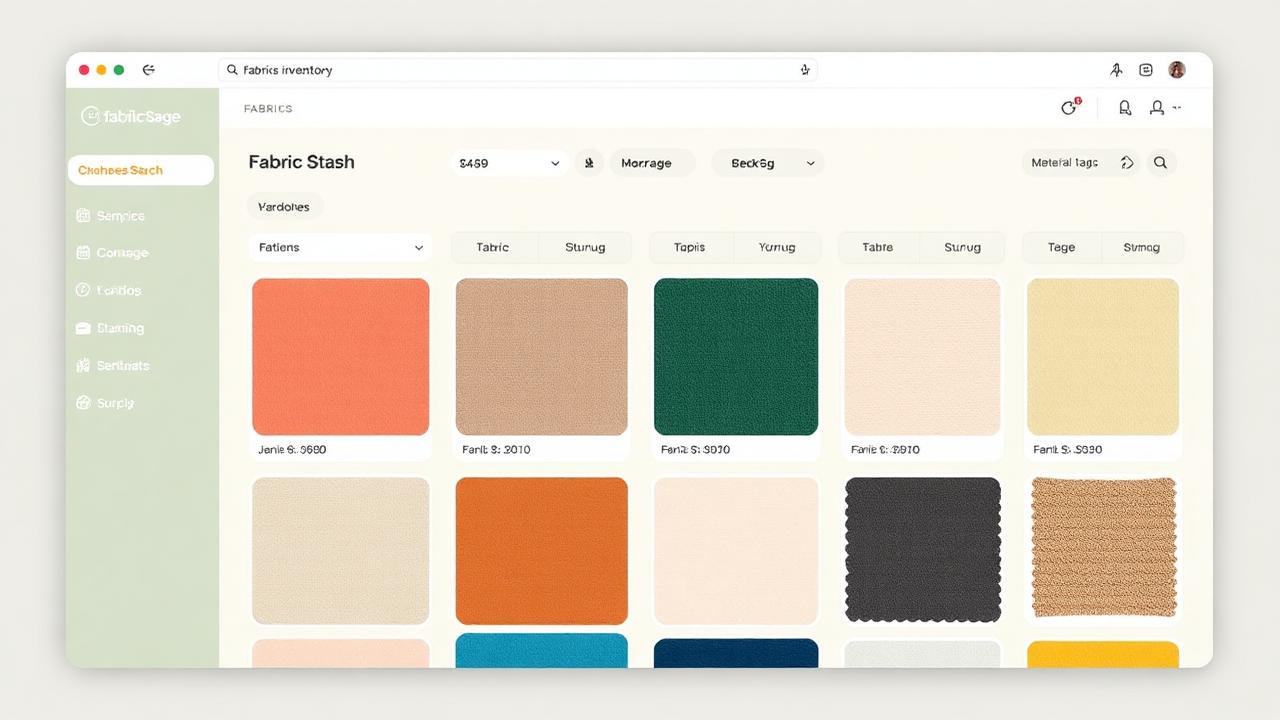
You can't sew from fabric you've forgotten about. The single highest-leverage move for any stash sewist is getting every cut into a searchable fabric stash tracker with:
- A photo of the actual fabric (not a stock image)
- Yardage and width — the two numbers that decide every project
- Fiber and weight — cotton lawn vs. cotton canvas behave nothing alike
- Stretch — knit, woven, 2-way, 4-way
- Intended use or vibe — "summer dress", "kids pajamas", "muslin"
Once a stash is digital and filterable, the question shifts from "what should I sew?" to "what should I sew with these 2.5 yards of navy linen?" — which is a much easier question to answer.
Step 2: Audit your pattern library against your stash
Pull up your pattern collection alongside your stash. For each fabric over ~1 yard, ask:
1. Is there a pattern I already own that this fabric is perfect for?
2. Is there a pattern I've made before that I'd happily make again?
3. Is there a "blank" project — pajama pants, simple tee, tote bag — that this fabric would finish in an afternoon?
Tag matches in your tracker so future-you doesn't have to redo the thinking. A simple "paired with: Closet Core Pietra Shorts" note on a fabric record is a tiny act of kindness to next-weekend-you.
Step 3: Let AI match patterns to your stash
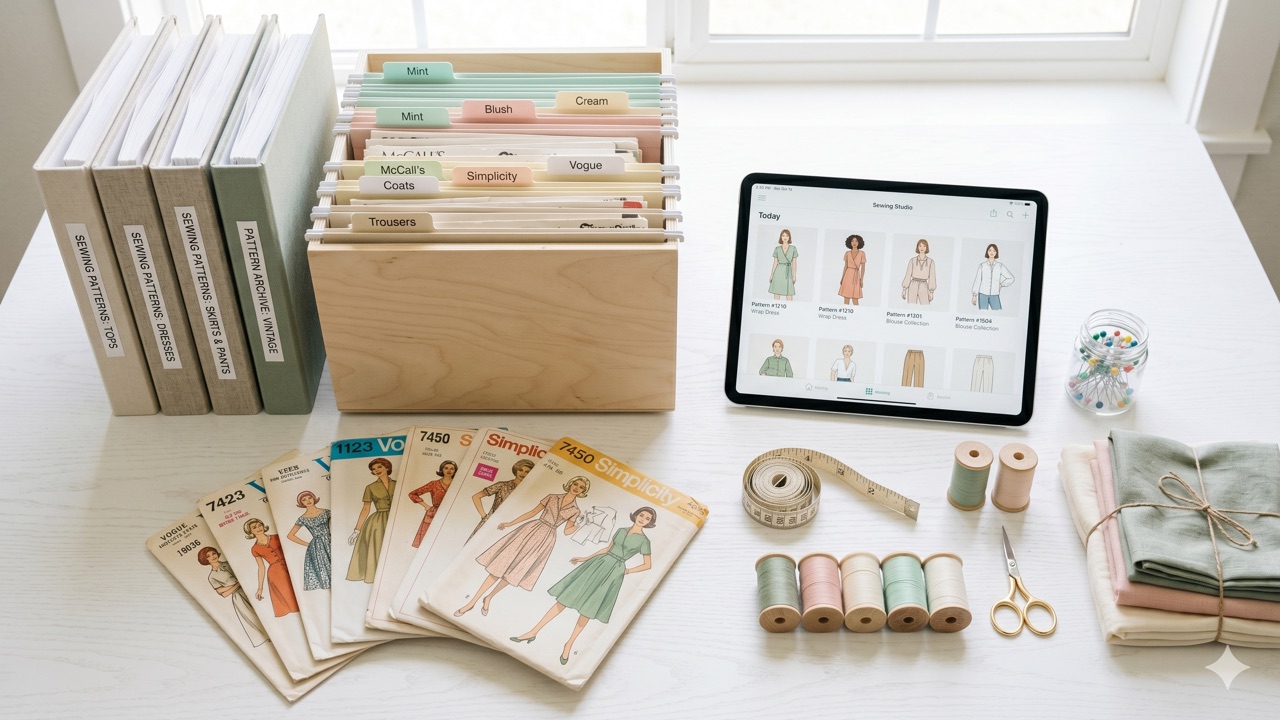
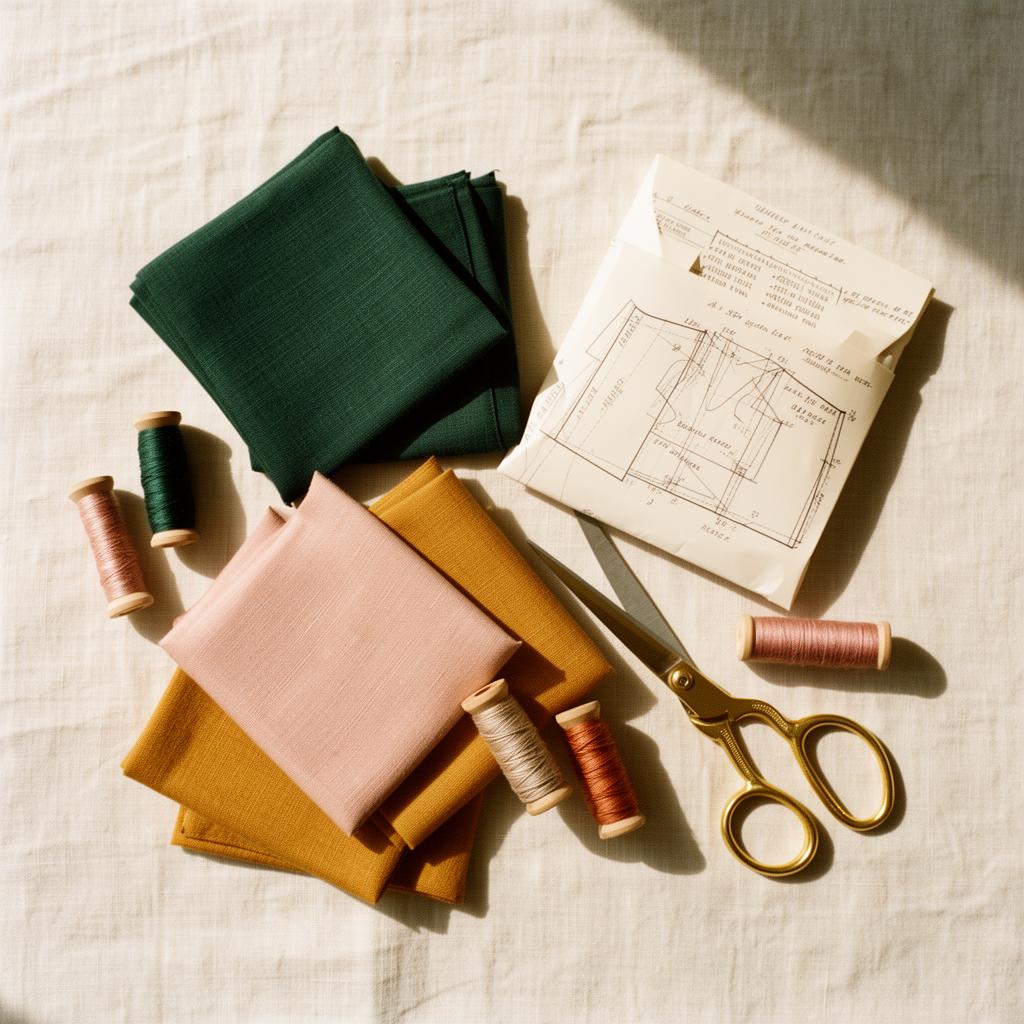
Manual matching works, but it scales poorly past a few dozen cuts. This is where an AI sewing project planner earns its keep. Feed it your stash and pattern library, and it returns ranked suggestions like:
- "2.5 yd of navy double gauze → Helen's Closet Yanta Overalls (size 14), needs 2.25 yd"
- "1 yd of cotton lawn scrap → Peppermint Magazine Tiered Skirt for kids"
- "3 yd of bottomweight twill → True Bias Lander Pants, with 0.5 yd left for matching pockets"
The point isn't that AI picks better than you do. The point is it surfaces combinations you'd never have manually compared — especially across patterns you forgot you owned.
Step 4: Build a "next 3 projects" shortlist
Don't try to plan your whole stash at once. Pick three projects for the next month:
- One quick win — something you can finish in a weekend
- One stretch project — a new technique or a more ambitious garment
- One stash-buster — a project that uses an awkward yardage you've been avoiding
Add all three to a sewing project tracker with the fabric and pattern already linked. The friction between "I should sew" and "I'm cutting fabric" should be near zero.
Step 5: Adopt the "shop your stash first" rule
Before any new fabric purchase, do a 60-second stash search for what you're about to buy. Need a navy bottomweight? Search "navy" and "bottomweight" in your tracker first. You'll be surprised how often the answer is already on your shelf.
This single habit, more than any other, is what separates sewists with a thoughtful curated stash from sewists drowning in fabric they'll never use.
Step 6: Track what you finish (and what you don't)
After a few months of stash-first sewing, look at what actually moved:
- Which fabrics keep getting skipped? Maybe it's time to gift or destash them.
- Which pattern + fabric combinations were satisfying? Repeat them in new colorways.
- Which projects stalled? Move them out of your active list — half-finished WIPs are a tax on motivation.
A quarterly stash review turns "I own too much fabric" into "I own a curated collection of fabrics I'll actually sew."
Pair this with the rest of your sewing system
Stash-first project planning works best when it sits alongside the rest of your sewing infrastructure: an organized pattern collection, a fabric stash you can actually search, and a project tracker that keeps WIPs from piling up. Together they turn sewing from a series of one-off decisions into a flow.
Ready to plan your next project from the fabric you already own? Try Sewist Studio free — catalog your stash, get AI project suggestions tailored to your yardage, and finally sew through that pile.