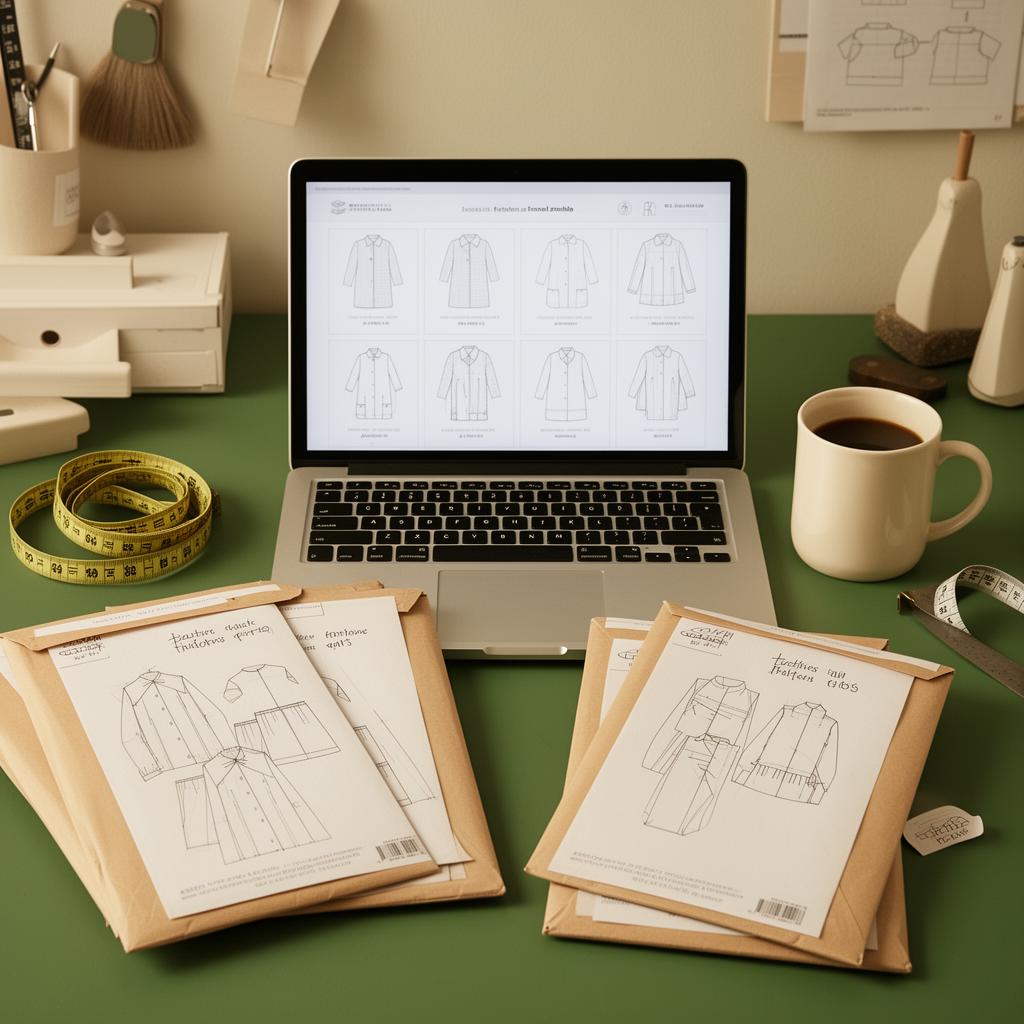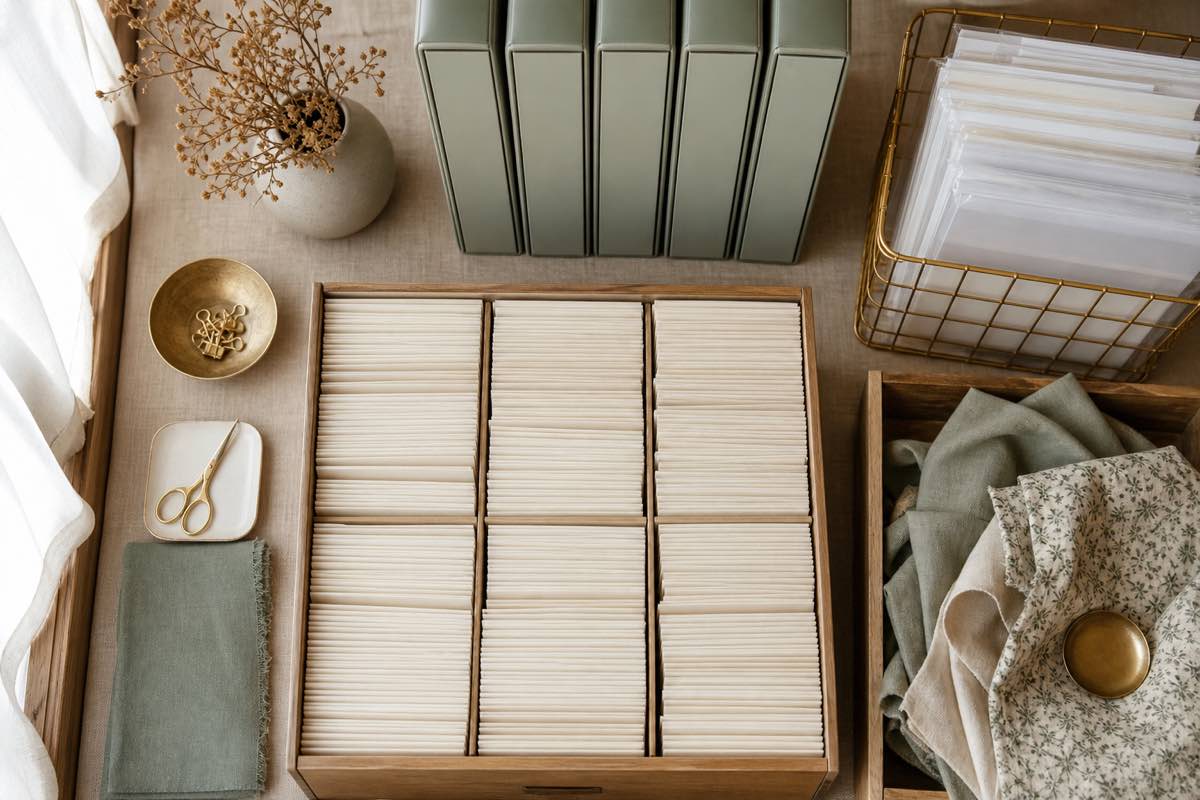
The Complete Guide to Sewing Pattern Organization (2026)
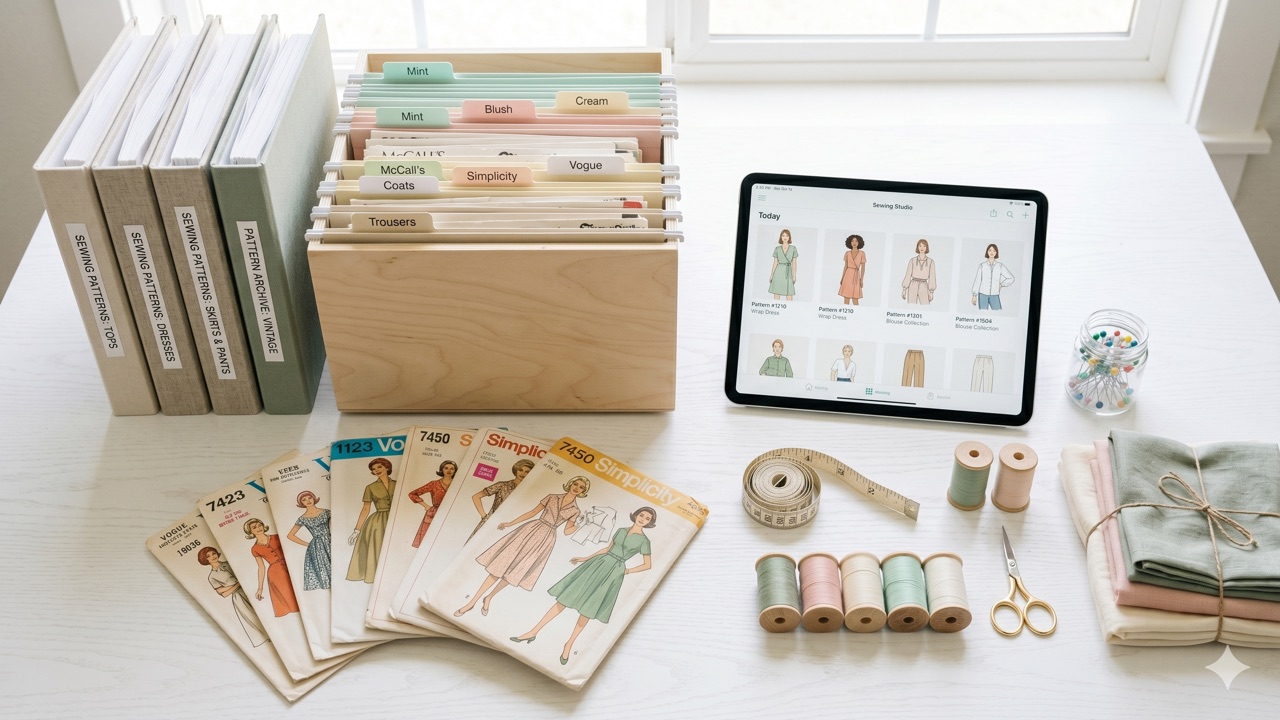
Everything you need to build a pattern organization system that scales from 20 patterns to 2,000 — paper, PDF, indie, and vintage.
Read morePractical guides for organizing your sewing patterns, tracking your fabric stash, and managing sewing projects like a pro.
172 articles

Everything you need to build a pattern organization system that scales from 20 patterns to 2,000 — paper, PDF, indie, and vintage.
Read more
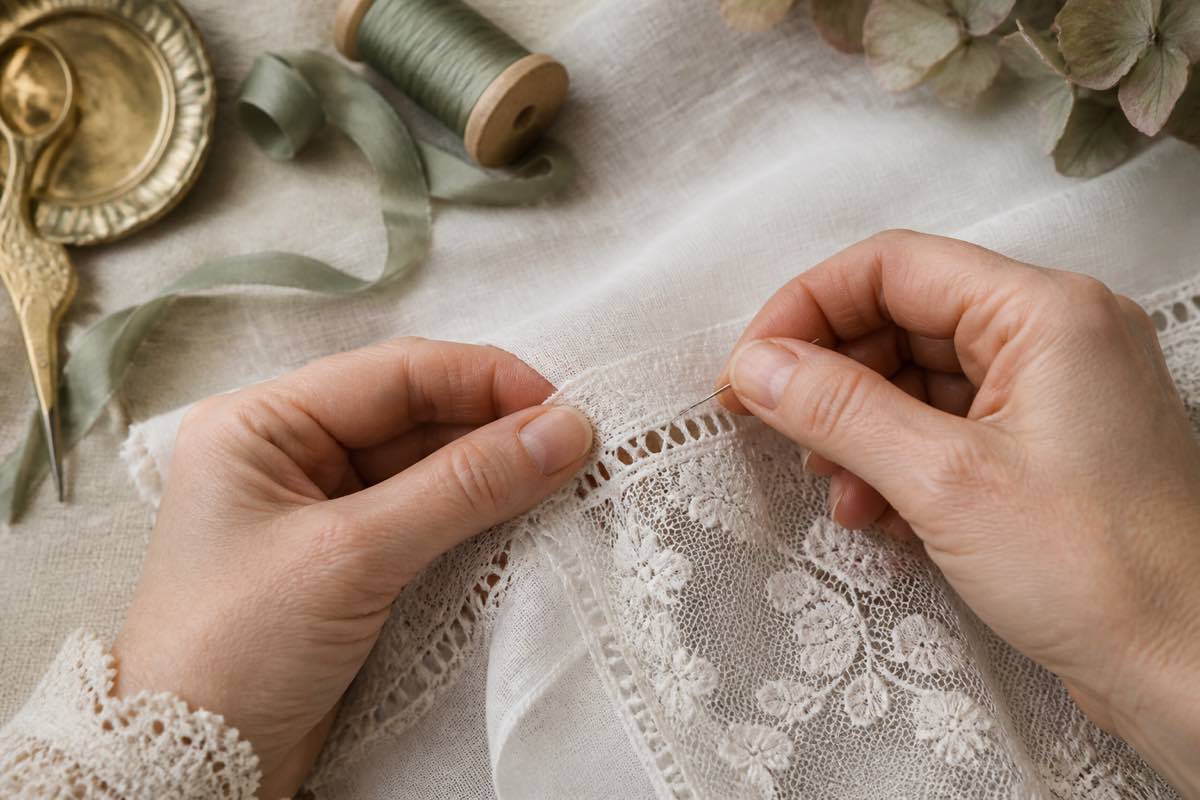
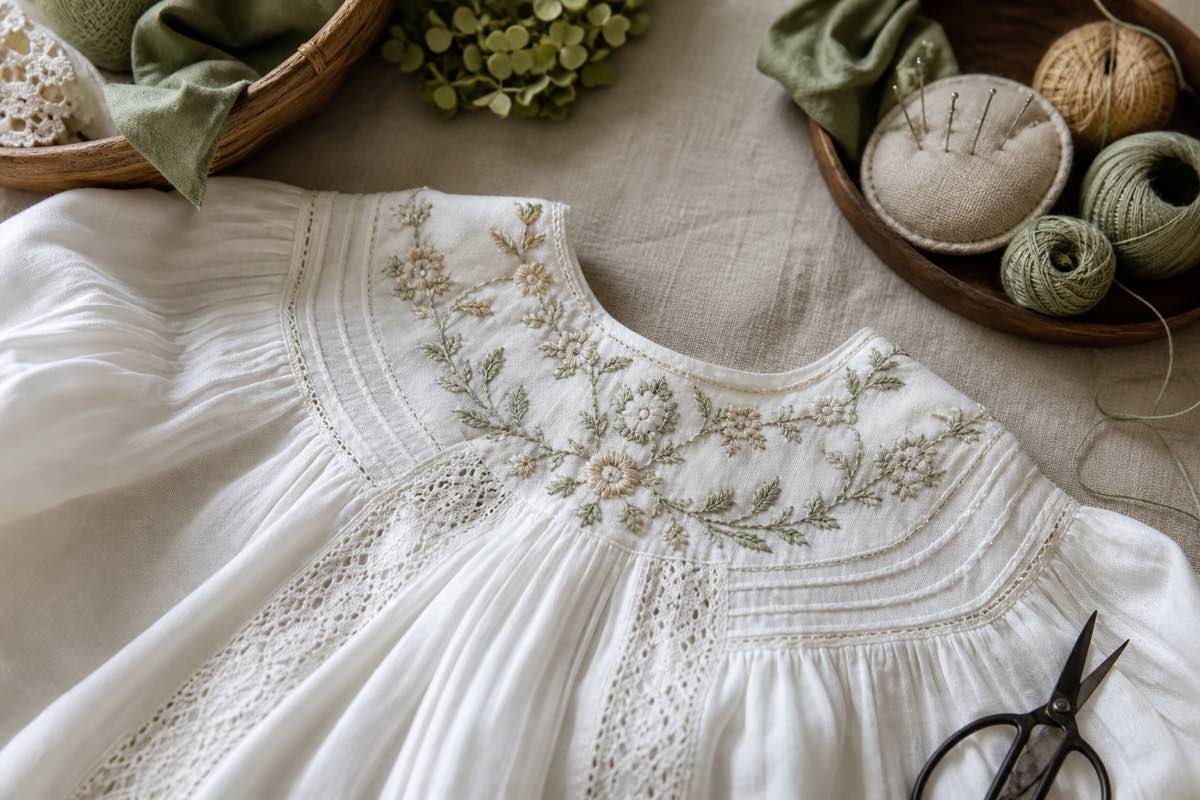
Heirloom sewing is the fine-craft tradition of French hand sewing, lace insertion, smocking, and embroidery. Here's how to start.
Read more
A plain guide to every AI tool in Sewist Studio, from fabric previews and motion try-on to a live sewing coach, with what each costs and when to use it.
Read more
A definitive guide to building a digital sewing room: what to catalog, in what order, and how to make it actually useful at the cutting table.
Read more
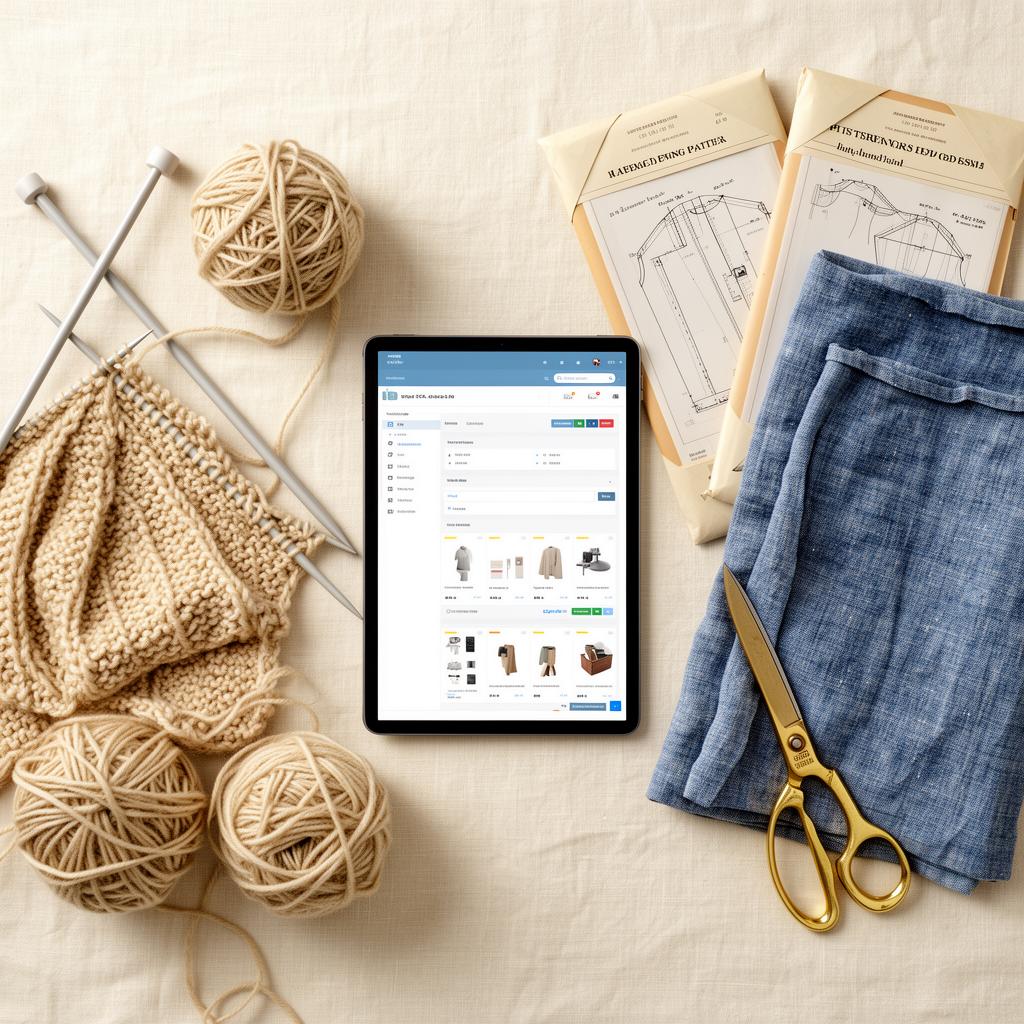
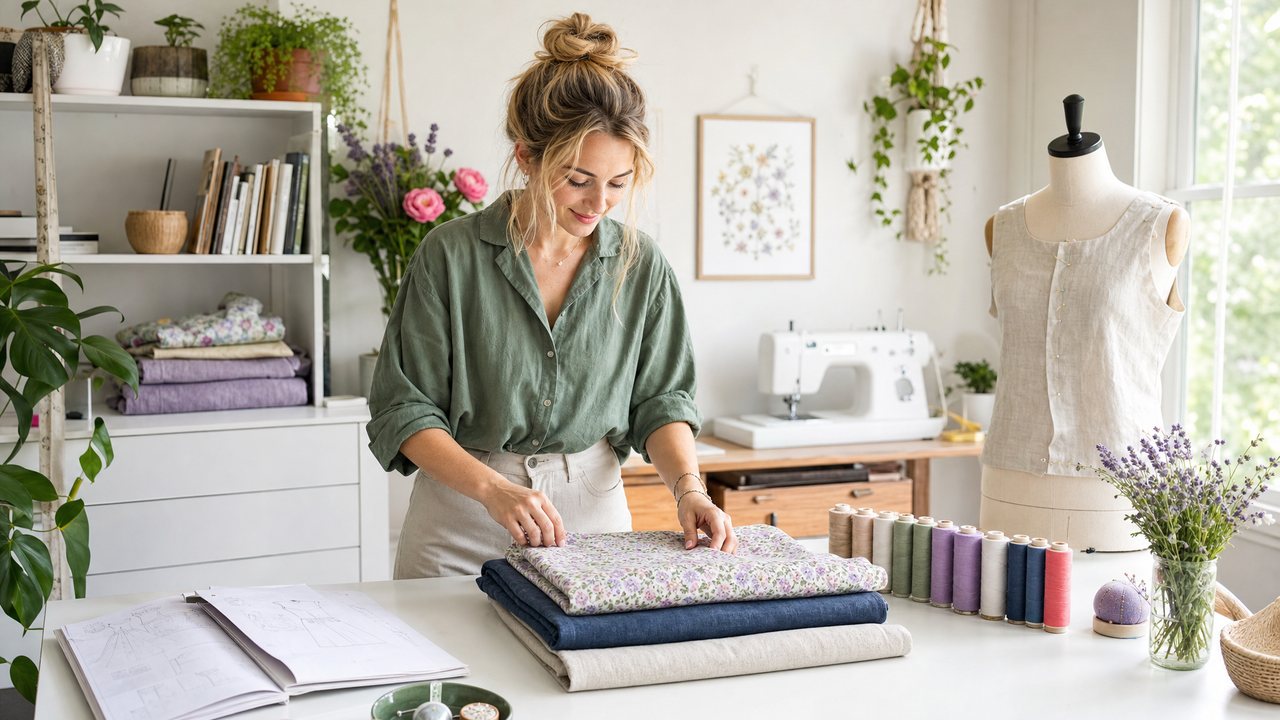
Knitters have Ravelry. Sewists have a doom box, a Pinterest board, and a half-finished spreadsheet. Here's what a real digital sewing room looks like — and how to build yours in an afternoon.
Read more
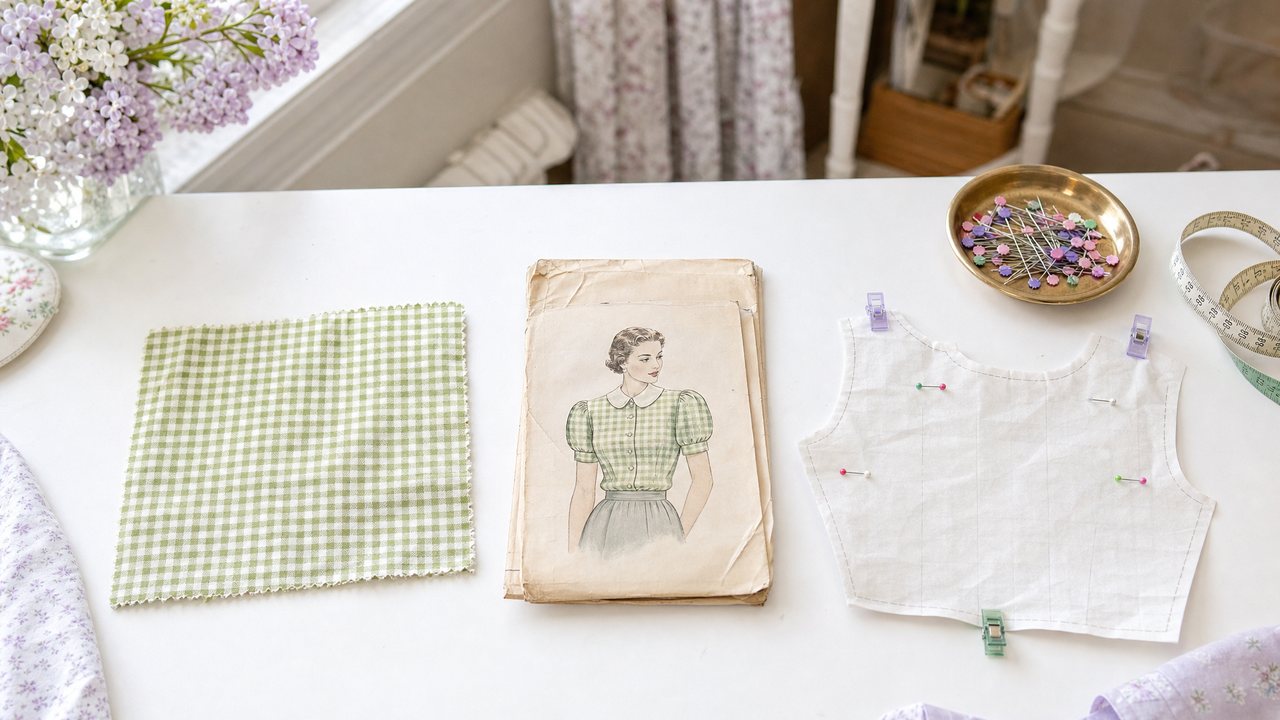
Why does knitting have Ravelry, and sewing doesn't? Here's the gap, and what the modern alternative looks like.
Read more
Knitters have Ravelry. Sewists have… a Pinterest board, a Trello card, and a drawer of forgotten patterns. Here's the platform that finally fixes it.
Read more
Knitters got Ravelry in 2007. Sewists are still asking when they'll get the equivalent. Here's why it took two decades — and what finally made it possible.
Read more
Manually typing out 300 pattern envelopes is why most sewists never catalog their stash. AI photo scanning makes it a one-tap job.
Read more
What if you could search your pattern stash the way you actually think about clothes — 'flowy summer dress', 'cropped knit tee with raglan sleeves' — and get real matches?
Read more
You saw the dress on Instagram. You want to make it. The AI Pattern Finder takes that photo and returns matching patterns you already own, plus ones you can buy.
Read more
Sweetheart neckline, puff sleeves, a shirred back and a swishy midi skirt. Here are seven patterns that get you there, two of them free, plus the fabric and hacks that make it look right.
Read more
A shirred bodice, skinny or ruffle straps and tiers that swish. Here are eight patterns that get you there, two of them free, plus the shirring and tier math to make it your own.
Read more
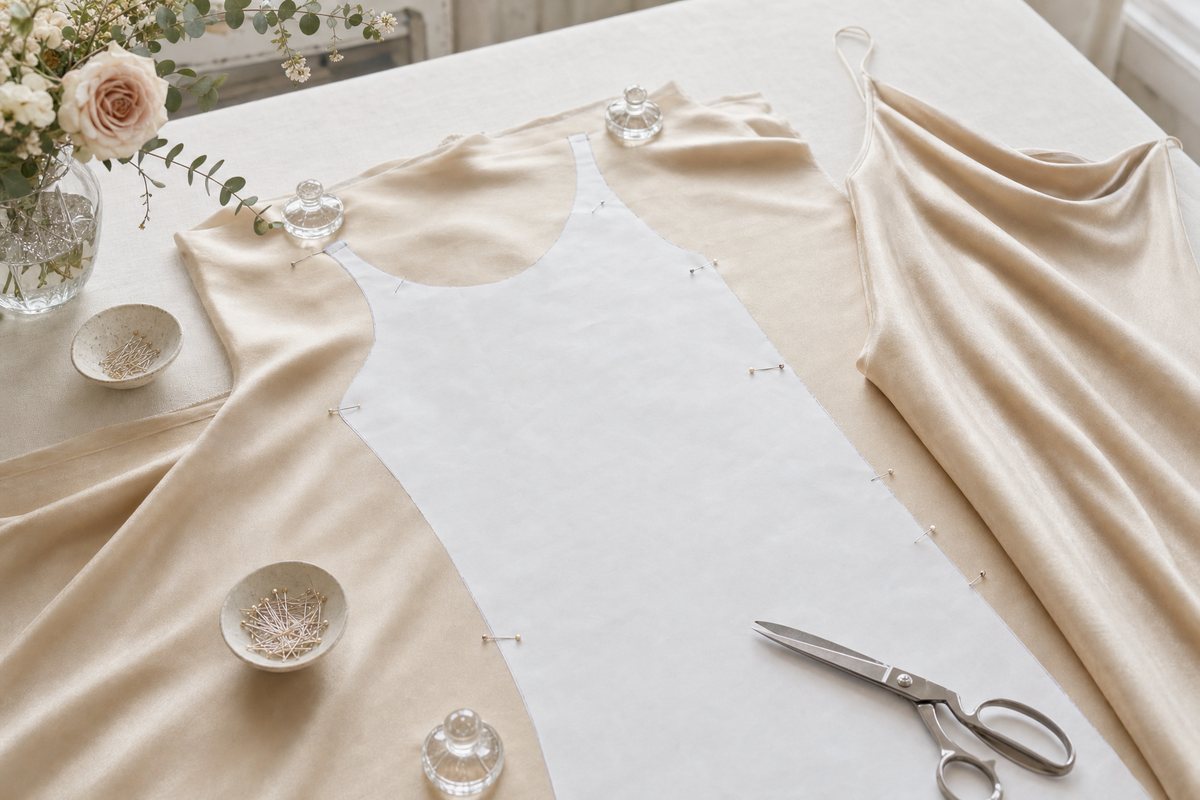
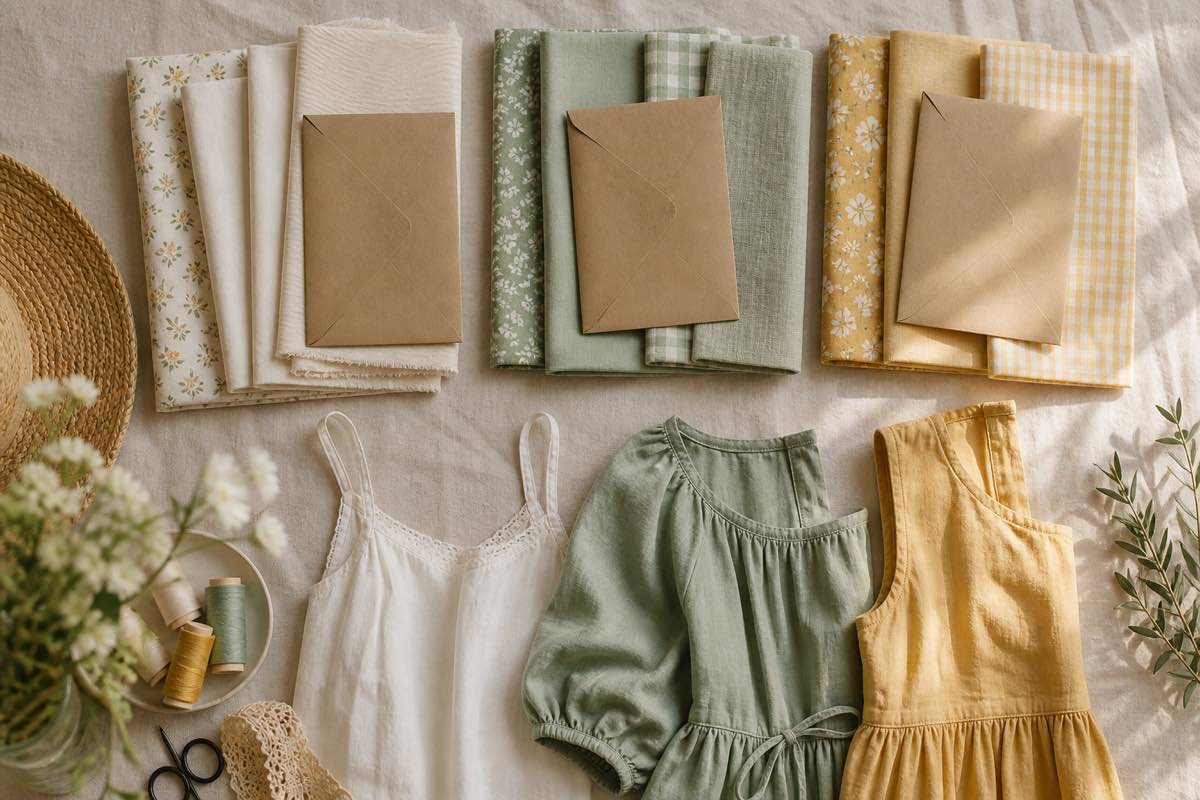
Spaghetti straps, a cowl or V neck and fabric that pours like water. Here are nine patterns, two free, plus the bias-cutting tricks that make a slip dress look expensive instead of homemade.
Read more
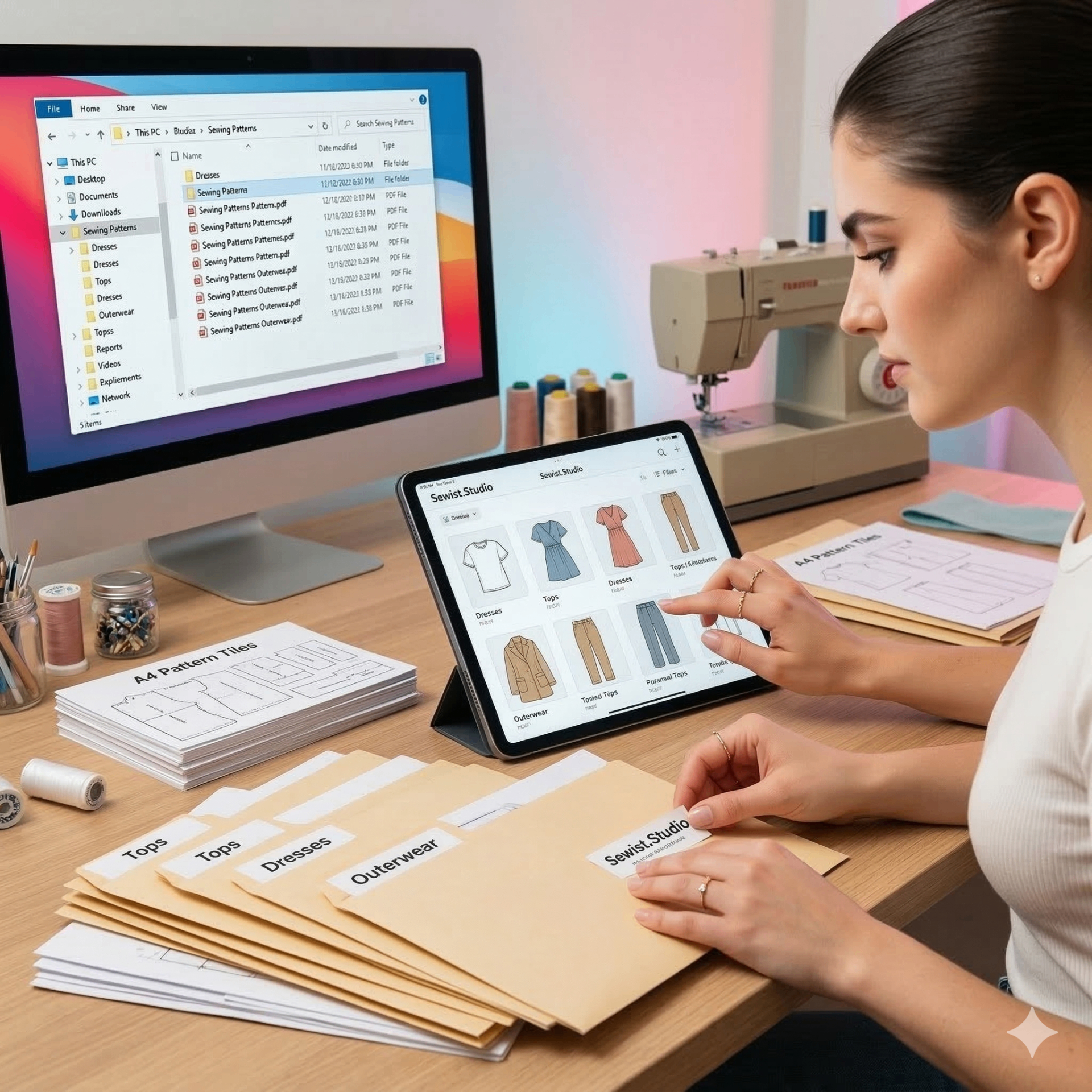
Stop staring at your stash wondering what to make. Here's exactly how to use AI to turn your existing fabric into a queued-up project list — with prompts you can copy.
Read more
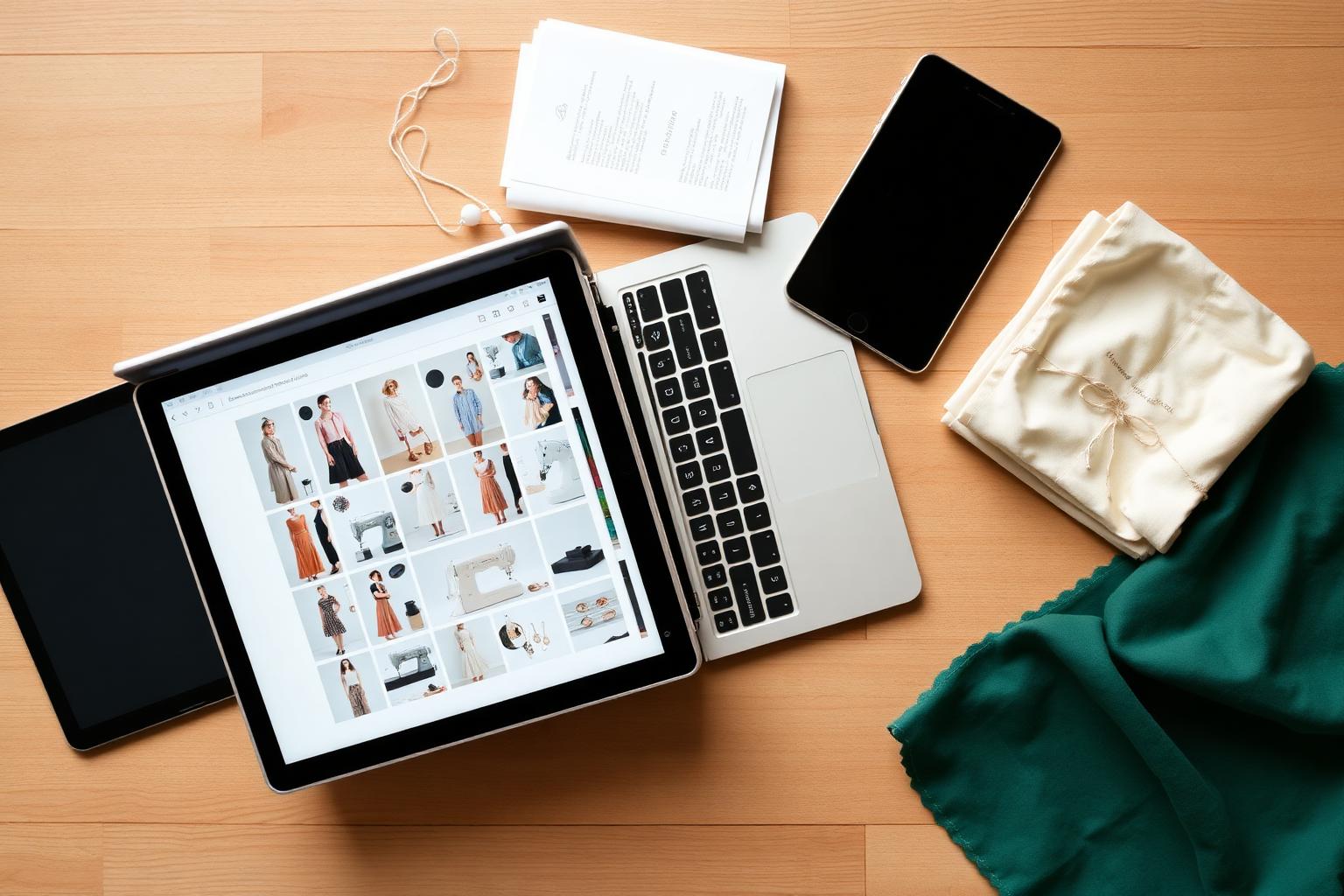
A step by step guide to previewing a stash fabric on a pattern before you cut, with the settings that matter and the limits stated plainly.
Read more
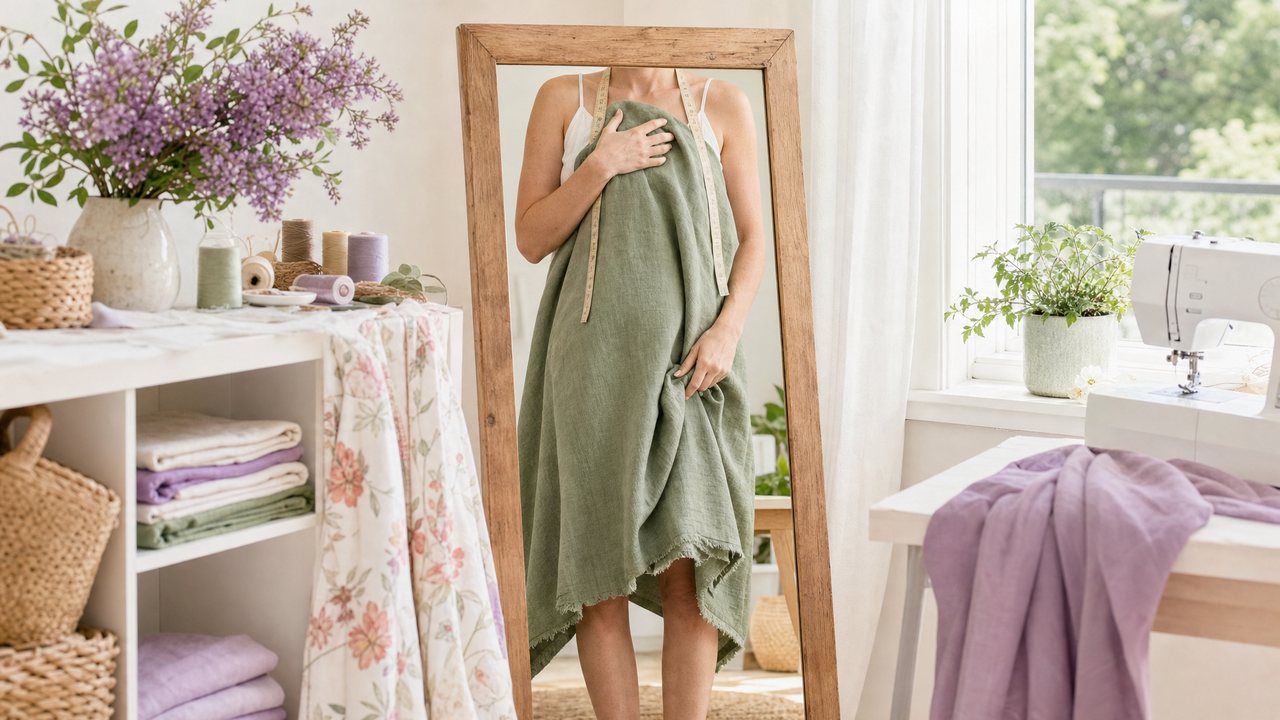
How to see a planned make on you, not a dress form, with photo tips that improve the result and a plain account of how your photo is stored.
Read more
What a 5-second AI video of your planned garment can and cannot tell you about drape, swing and the back view.
Read more
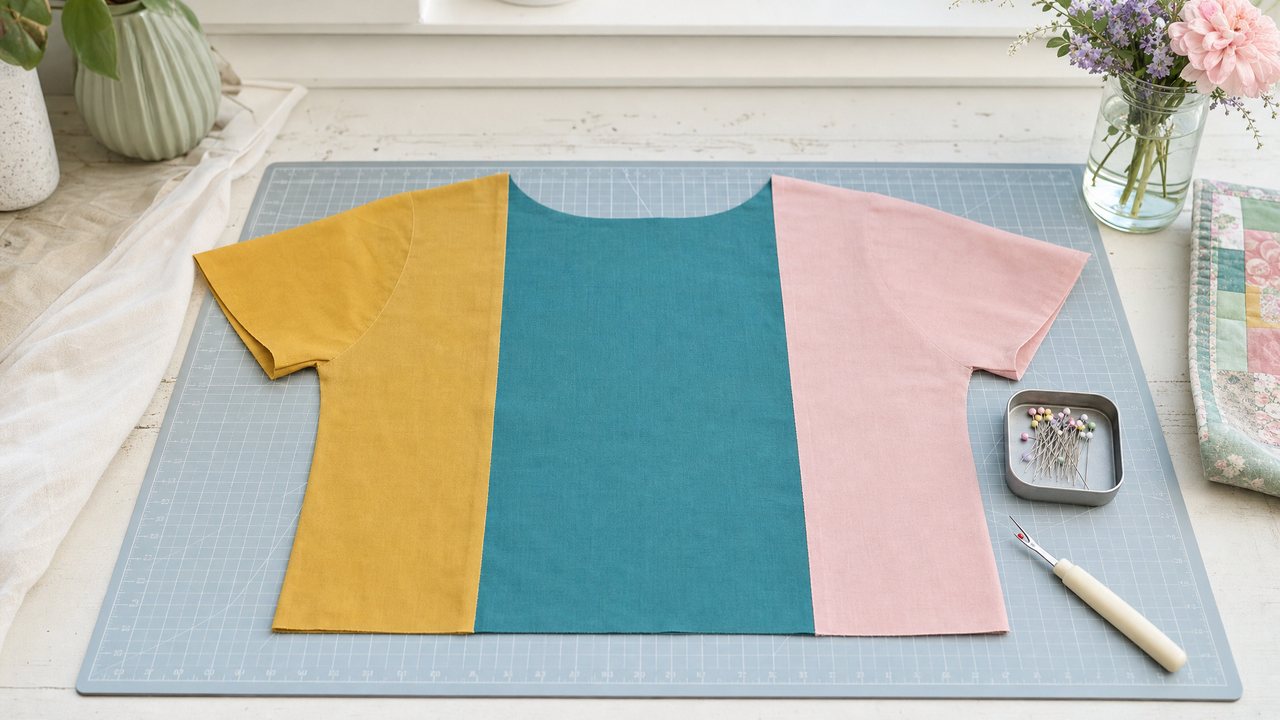
A practical way to plan color blocking with fabric you already own, including the fabric rules that make panels work together.
Read more
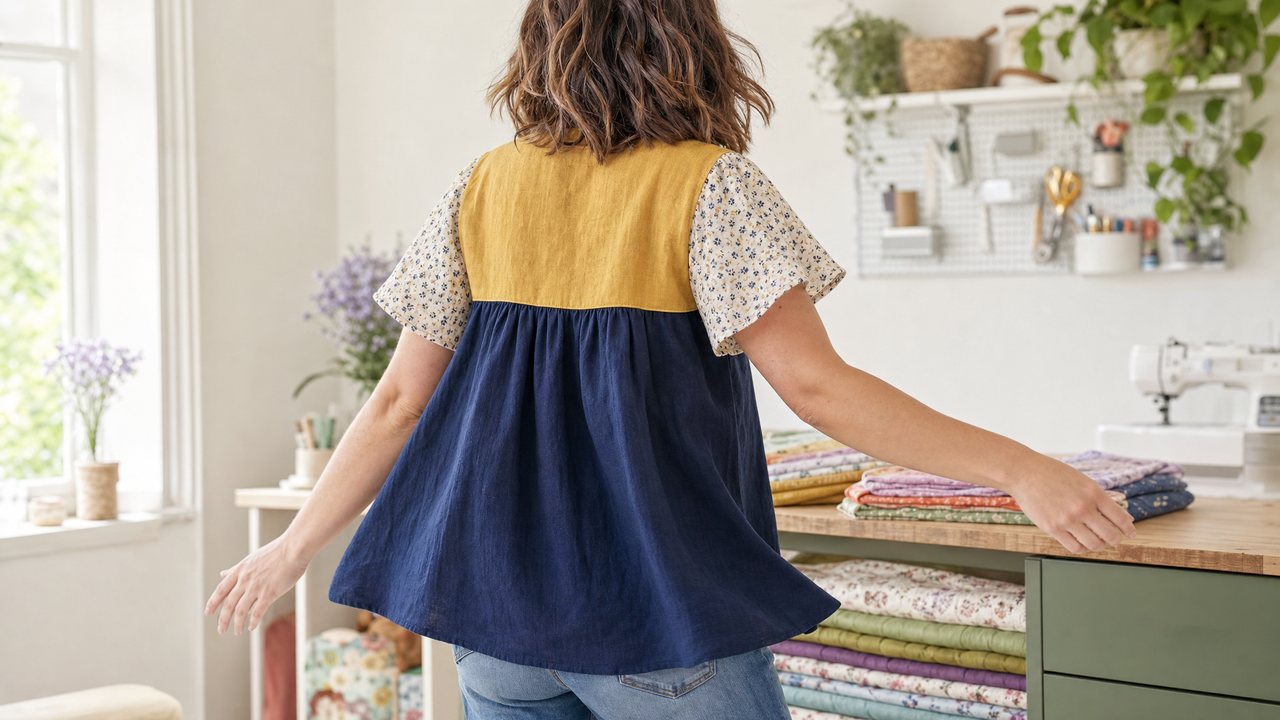
A still preview shows color. A short clip of you turning, walking and reaching shows whether the garment you planned actually suits the way you move.
Read more
You do not need to buy the fabric in the photo. You need to know which of your own fabrics and patterns get you closest, and to see that version before you cut.
Read more
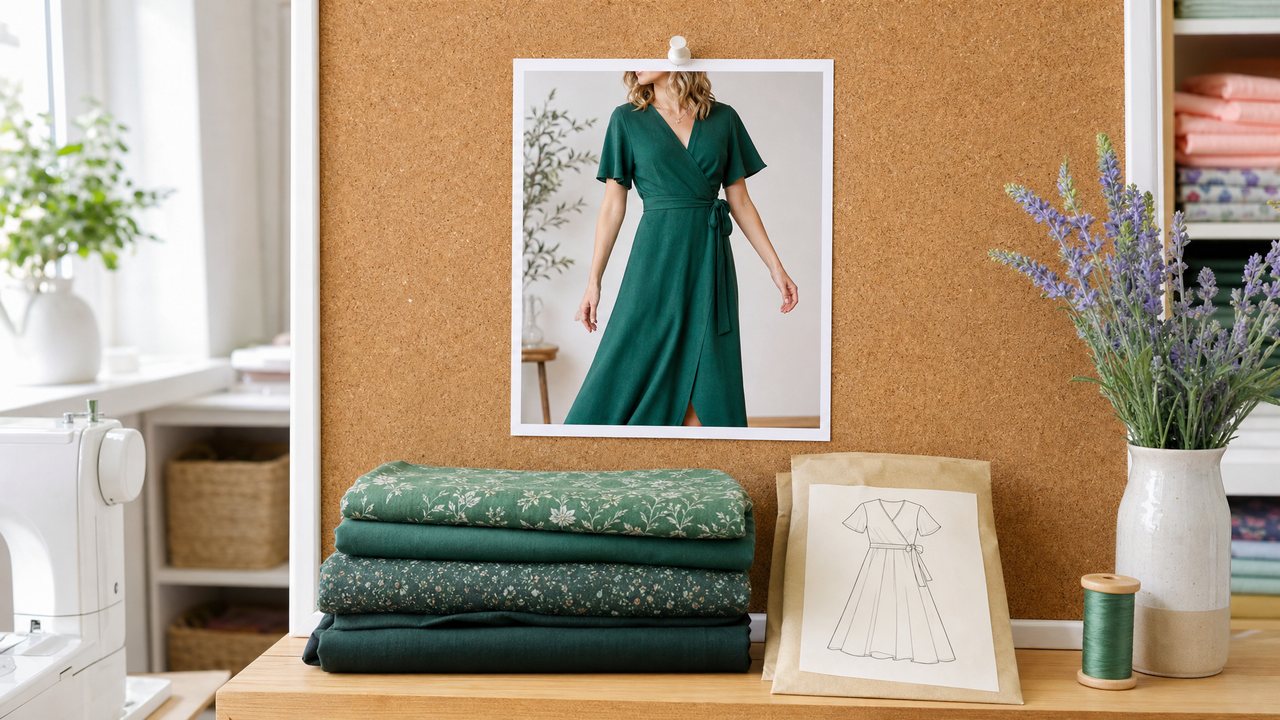
The dress costs more than your machine. Here is how to sew your own version from patterns and fabric you already have.
Read more
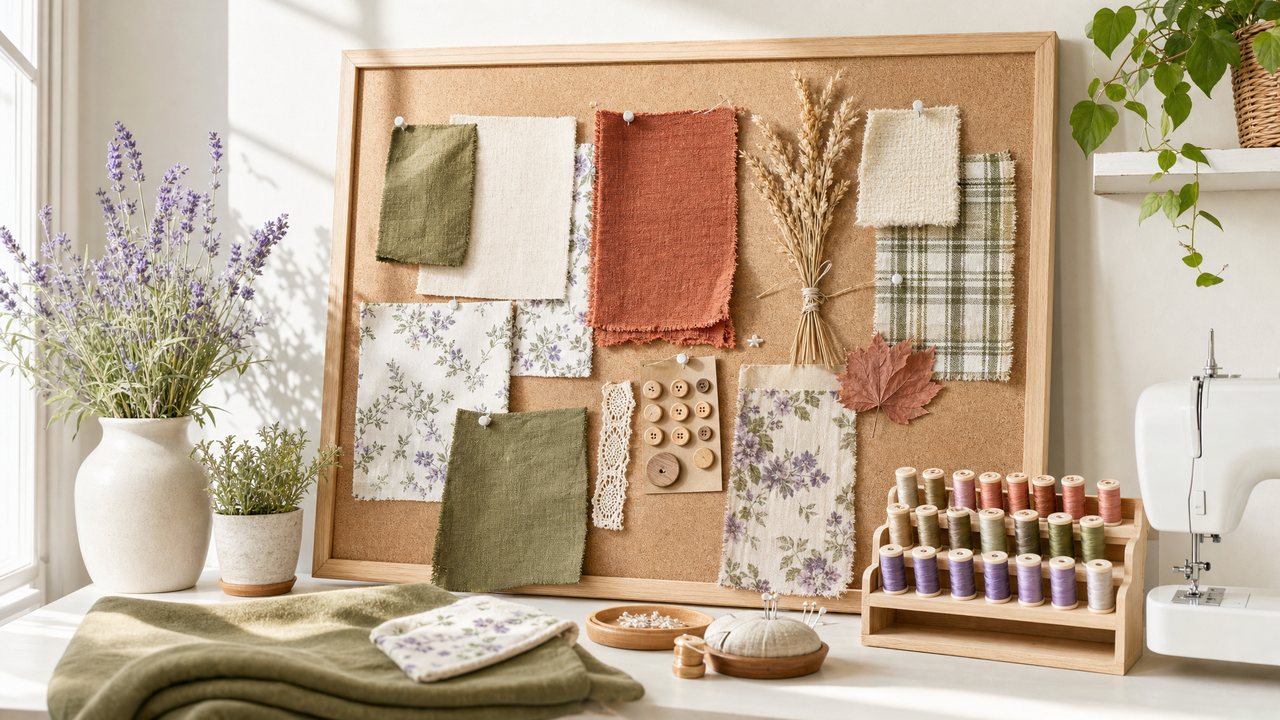
A mood board helps you decide what a season of sewing should feel like. Here is how to make one with AI, and where it stops being the right tool.
Read more
Some sewing questions are easier to say out loud than to type. A live AI coach that already knows your project and your stash answers them in your units.
Read more
Twelve questions worth asking an AI sewing coach while you hold your fabric up to the camera, and the ones a test scrap still answers better.
Read more
The simple rules for picking thread color, plus a faster way to choose from the spools you already own.
Read more
Drape, weight and stretch decide which patterns a fabric can carry. Here is how to read your fabric and pick a pattern that suits it.
Read more
A mashup is easier to commit to once you can see it. Here is how to plan one and preview it in your own fabric.
Read more
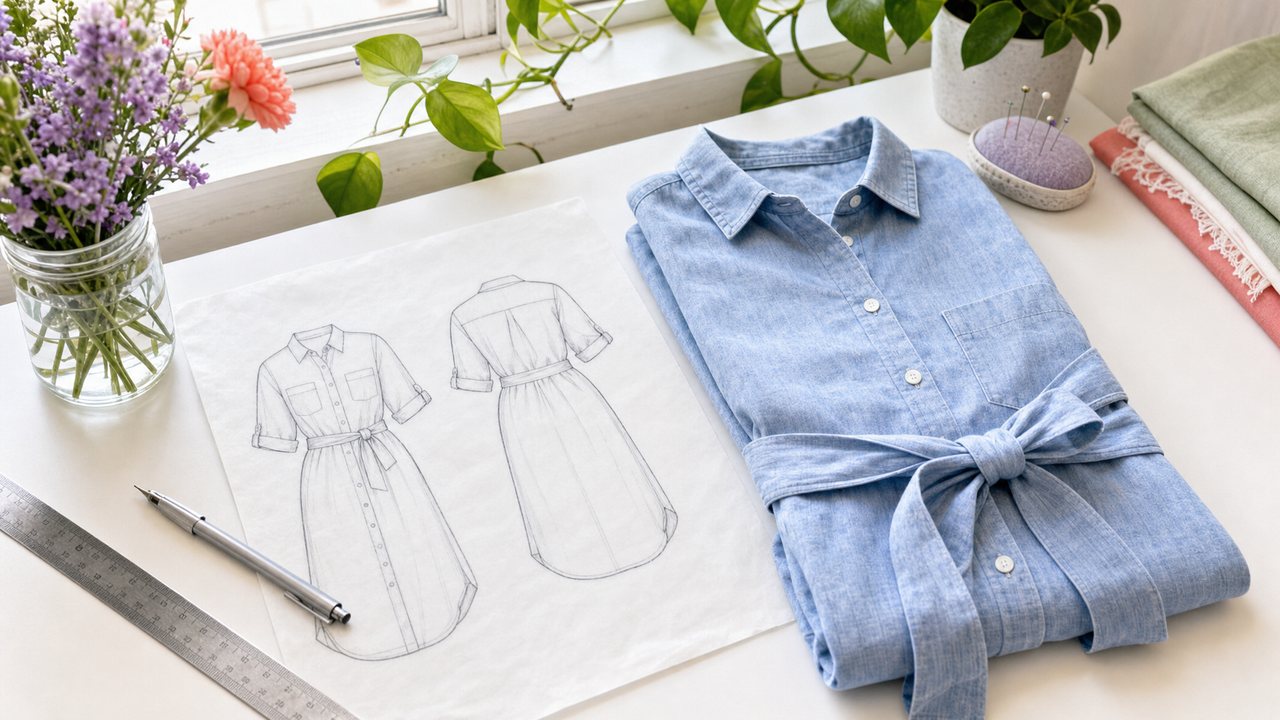
Technical flats turn a garment into a clear line drawing you can plan from. Here is how to draw one, and how to get one from a photo.
Read more
Most AI garment previews pass your fabric through a sentence before drawing it, and that sentence is where your actual fabric disappears.
Read more
A general chat tool can sketch your fabric on a pattern for free, and sometimes that is all you need. Here is how to tell when it is not.
Read more
Many sewing tools convert a few number fields and leave the rest in yards. Here is what a full metric setting looks like, AI answers included.
Read more
A list of project ideas is easy to ignore. A sketch of that idea in your own fabric is much harder to forget.
Read more
My first AI previews drew a stranger's dress. Here is what I changed, what broke after that, and what the app does now.
Read more
An honest comparison of four ways to get sewing help, what each one is actually good at, and the combinations that work best.
Read more
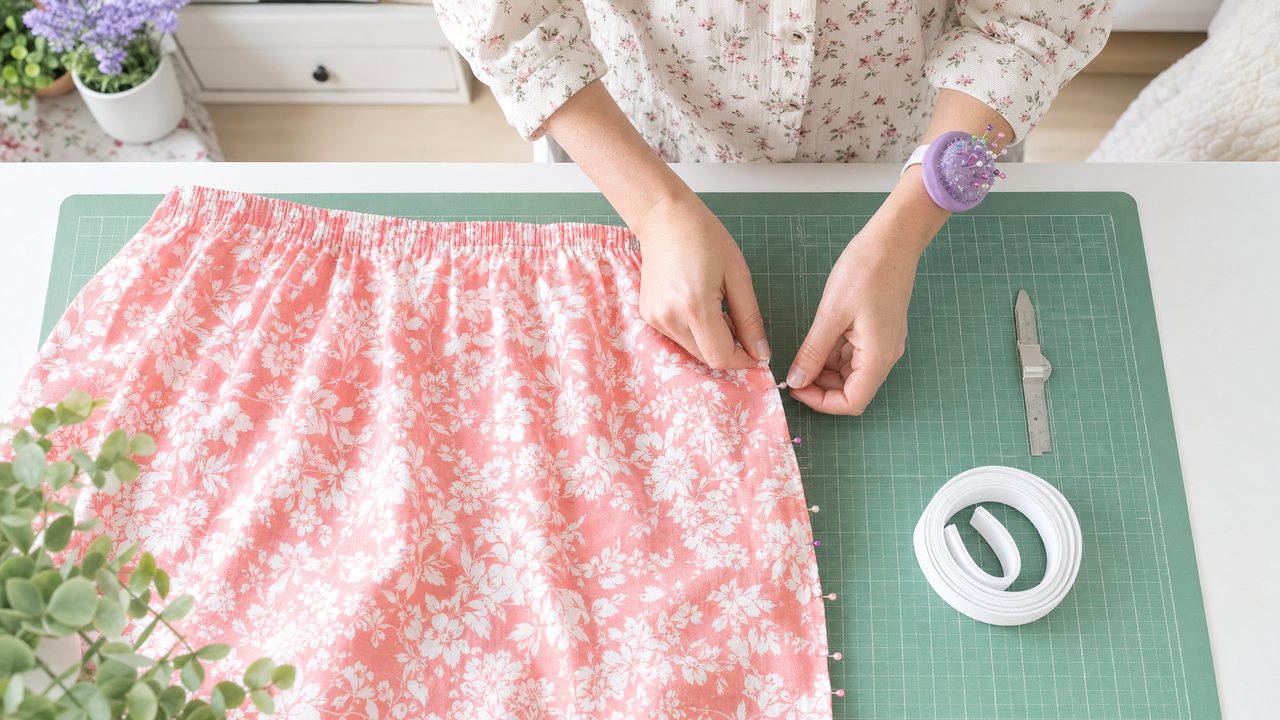
A stage-by-stage walkthrough of a first elastic-waist skirt, with the questions worth asking a coach and the steps you simply do.
Read more
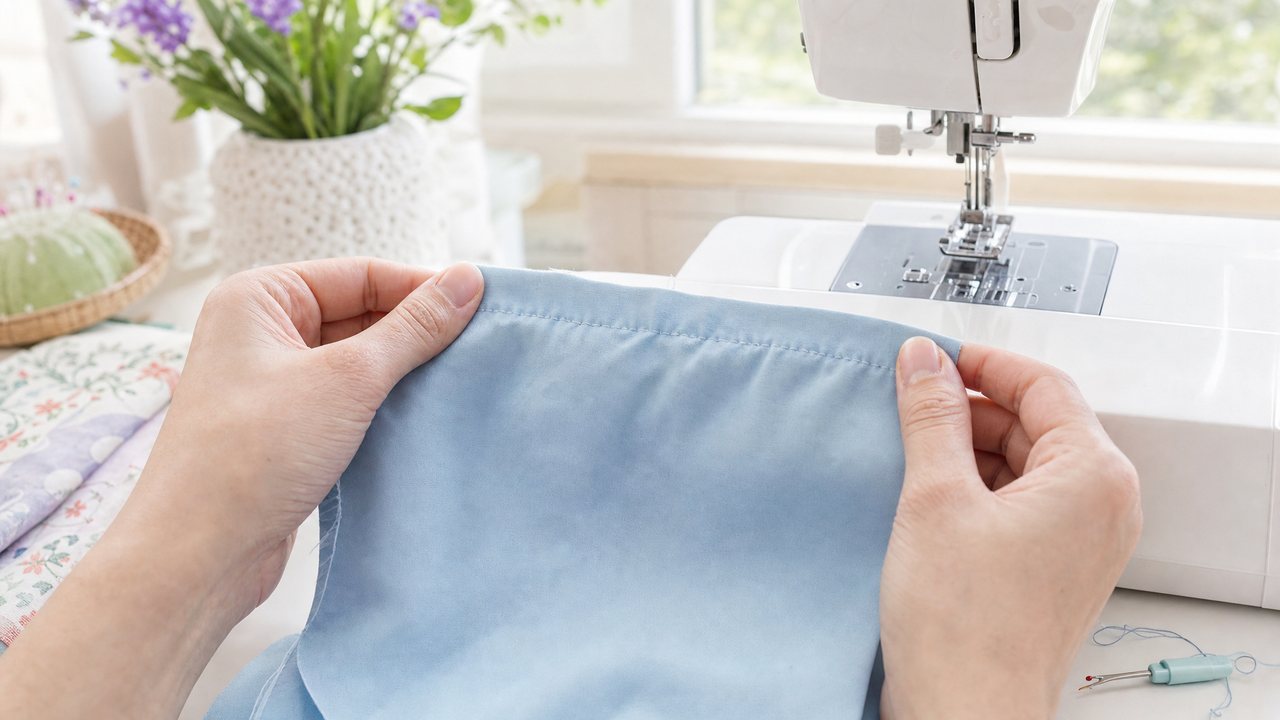
Five common sewing mistakes, what a coach can tell from a look on camera, and the scrap tests that confirm the fix.
Read more
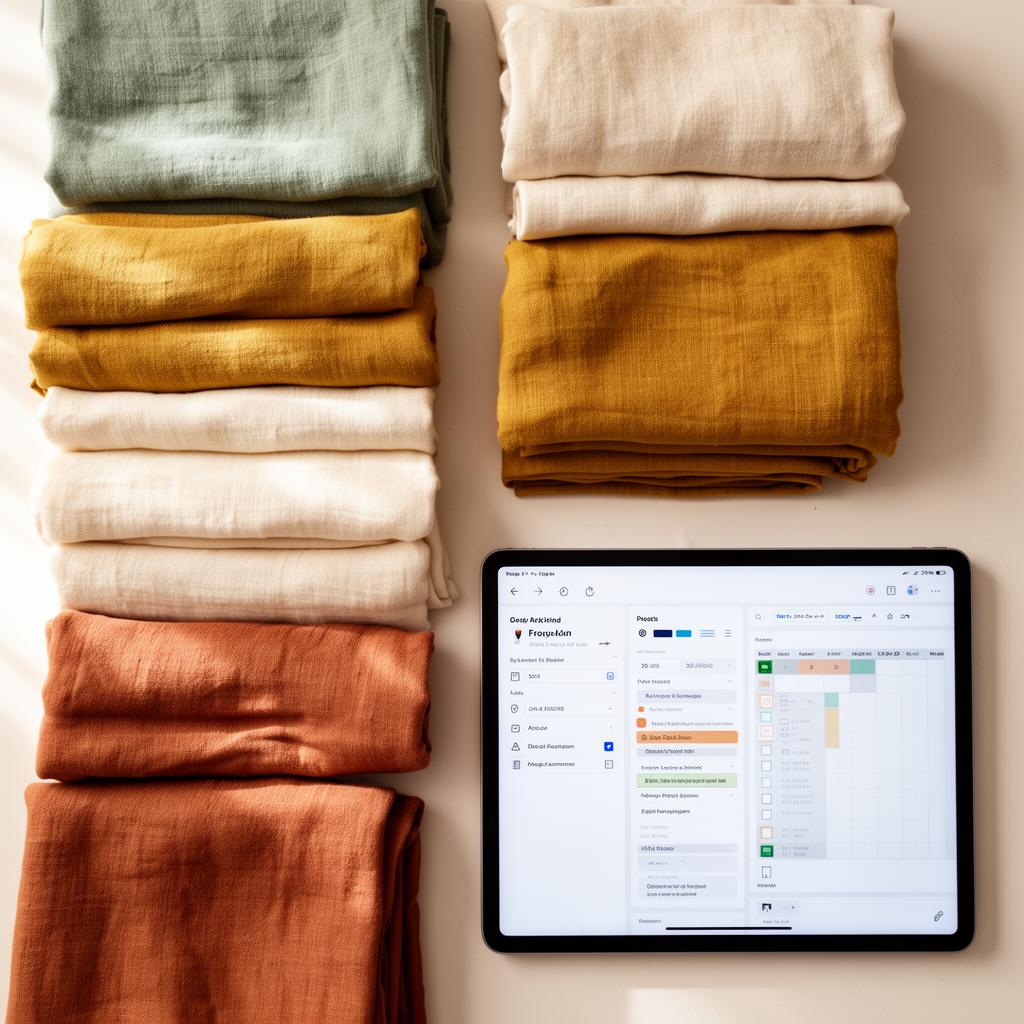
Your stash is full of potential — you just need a system for seeing it. Here's how to turn the fabric you already own into a steady pipeline of finished projects.
Read more
You bought the fabric. You love the fabric. You've been staring at the fabric for six months. Here's the framework that gets it off the shelf and onto your body.
Read more
Summer is short and your stash is deep. Here's how to turn the fabric you already own into a sewable warm-weather plan — without another fabric order.
Read more
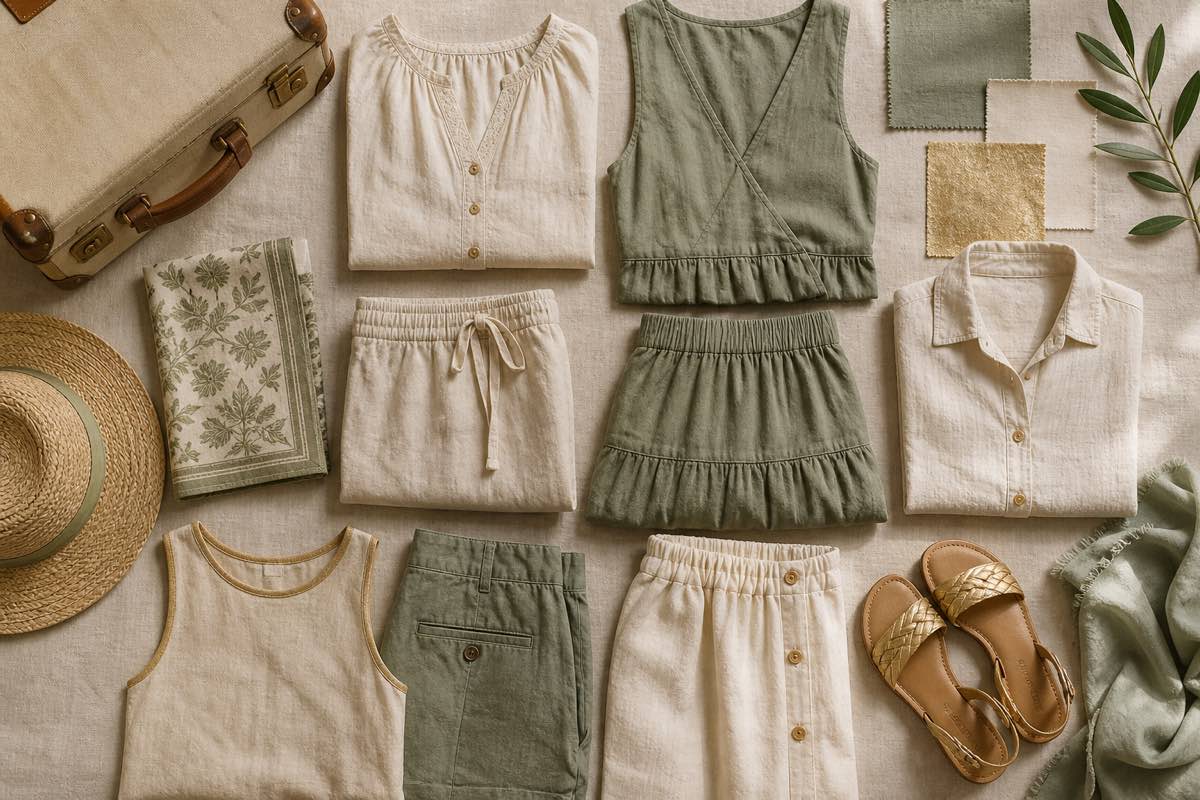
Going somewhere this summer? Sew a small, mix-and-match capsule you'll actually pack. Here's how to plan the palette, the patterns, and the fabric — all in one place.
Read more
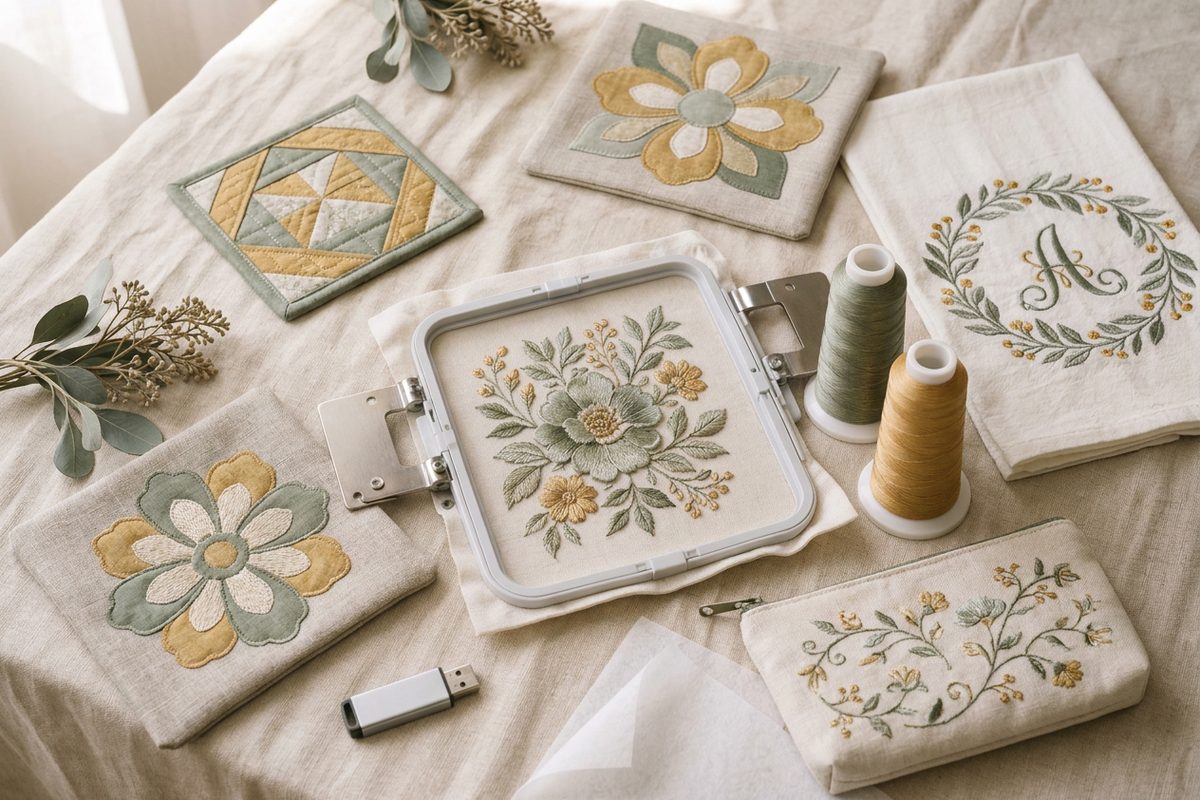
Weddings, grads and host gifts stack up all summer. Here's how to turn blanks into personalized embroidered gifts fast, and keep your design files organized.
Read more
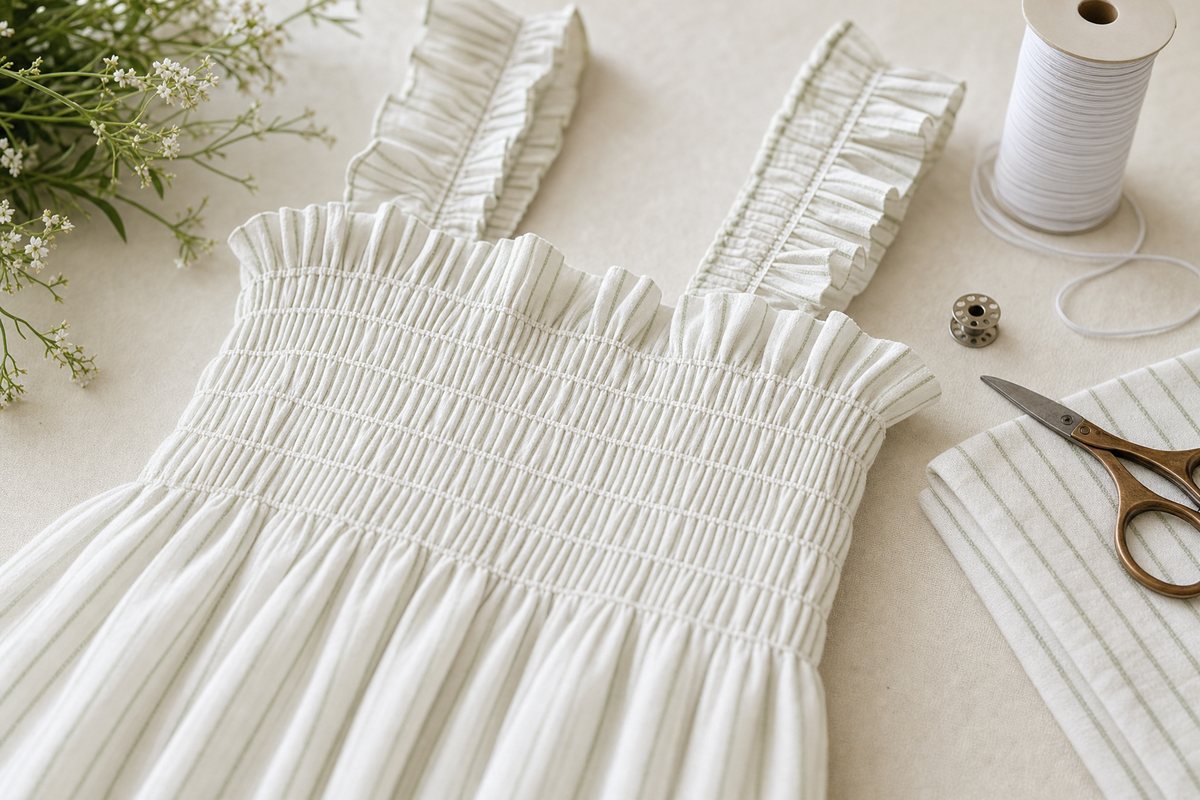
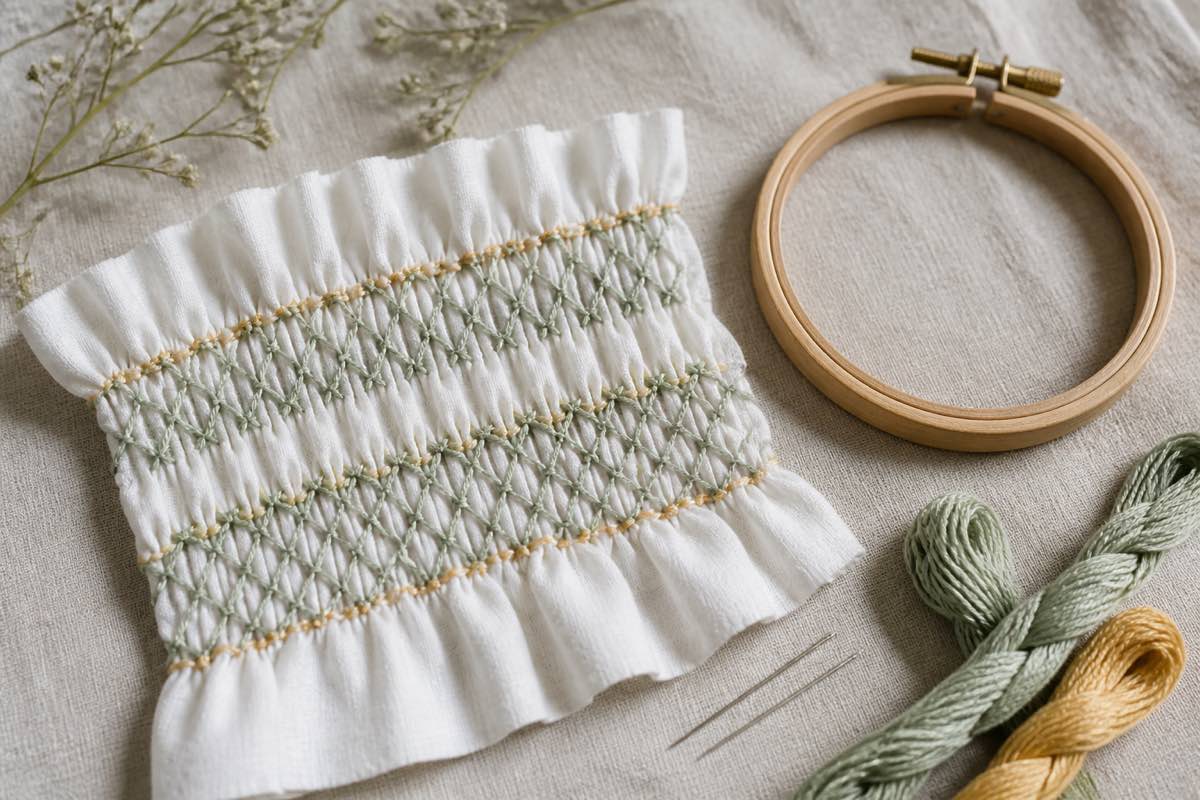
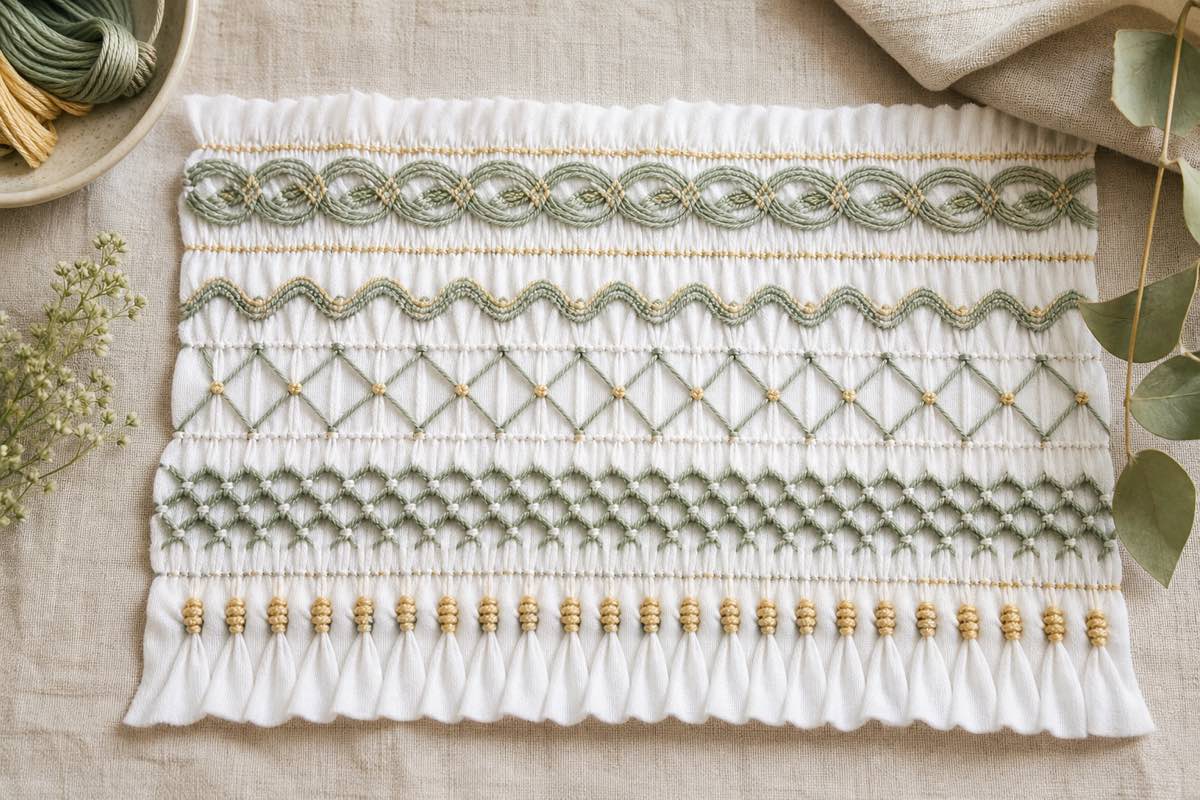
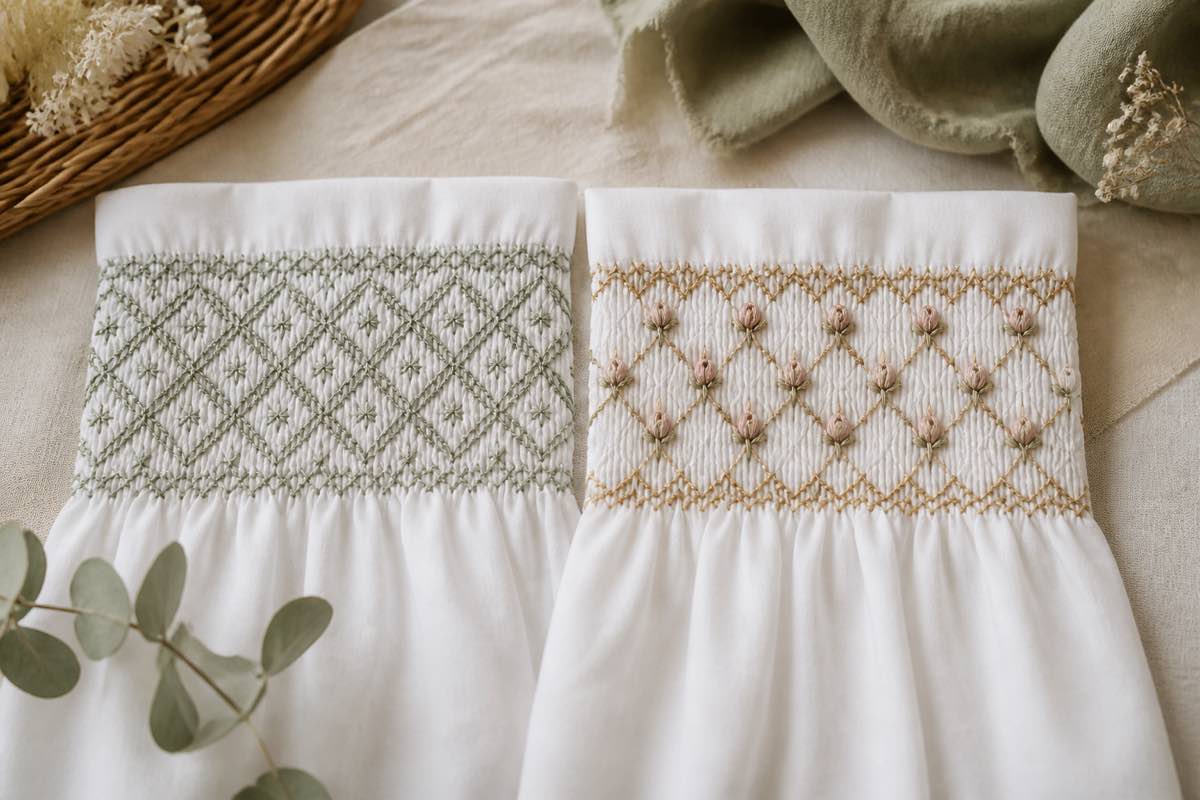
Everything a first-time smocker needs — from choosing fabric and thread to your first cable and wave rows — in one beginner-friendly guide.
Read more
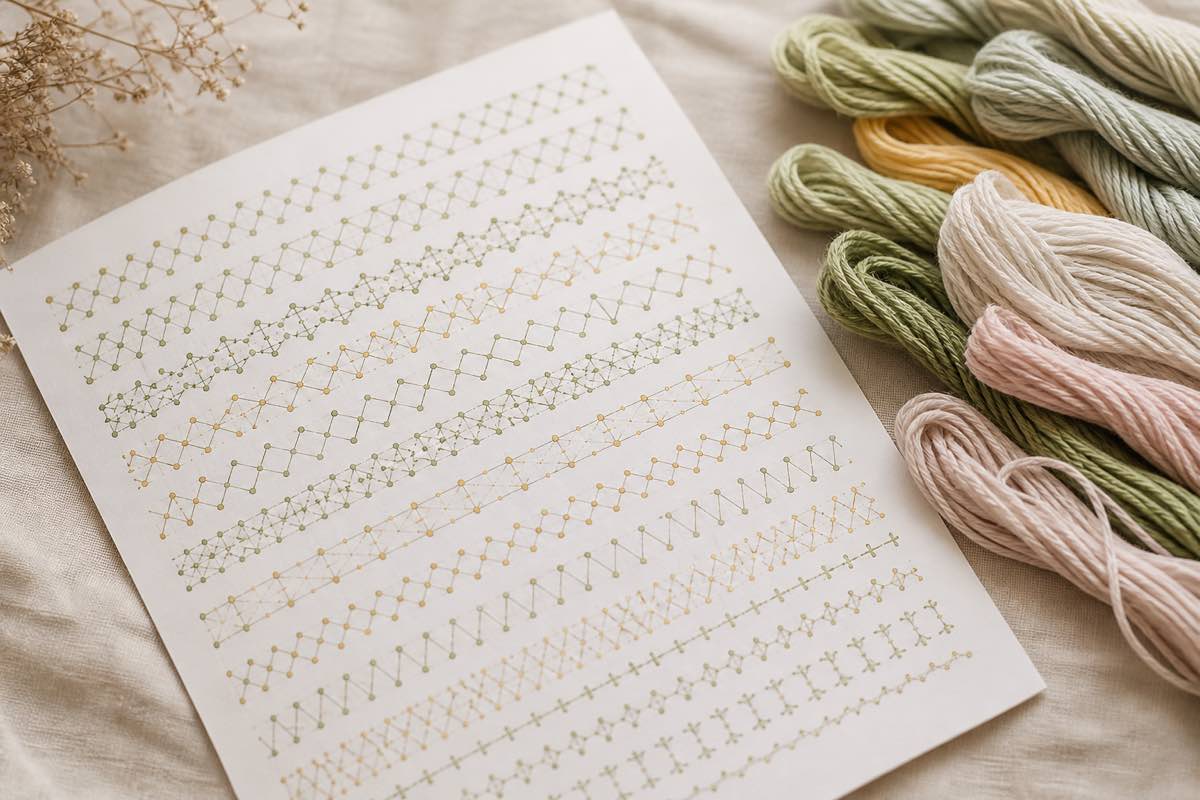
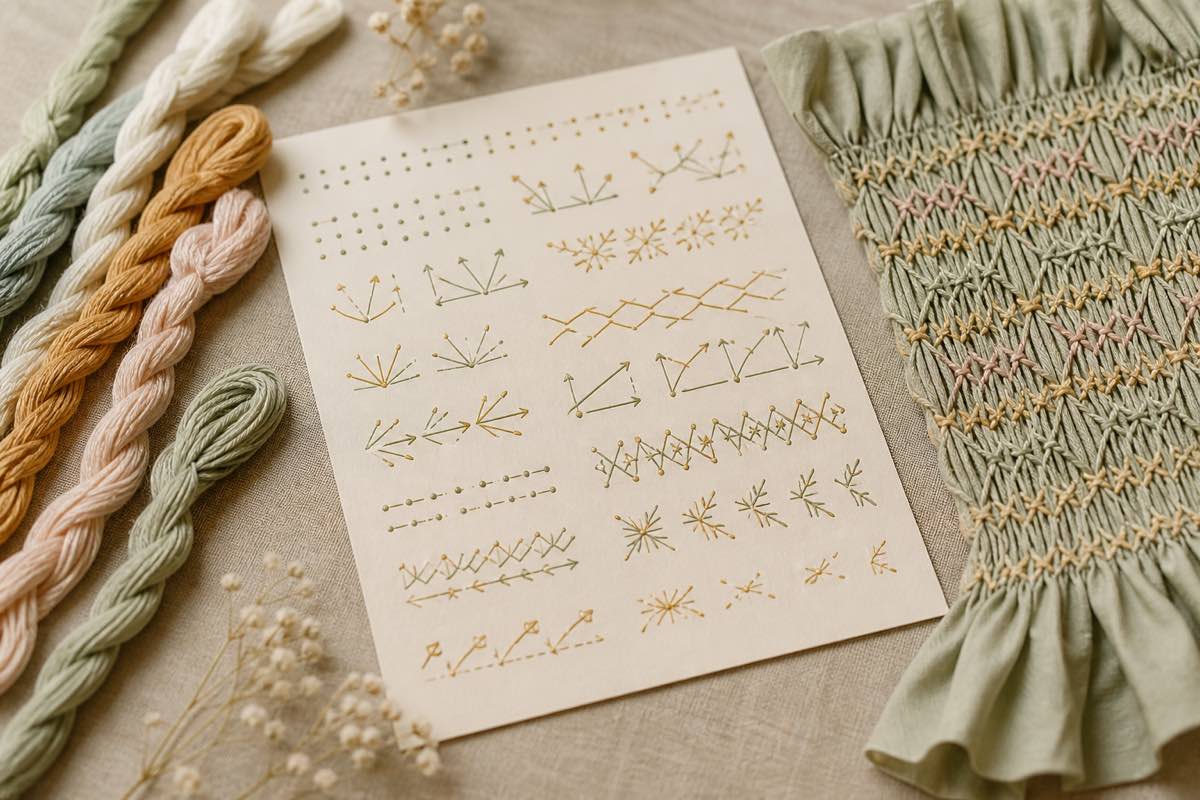
Smocking plates look intimidating until you know the code. Here's how to decode row numbers, stitch symbols, and color keys the way experienced smockers do.
Read more
The full smocking stitch vocabulary in one place — with the texture each stitch creates, when to use it, and how they combine into classic plates.
Read more
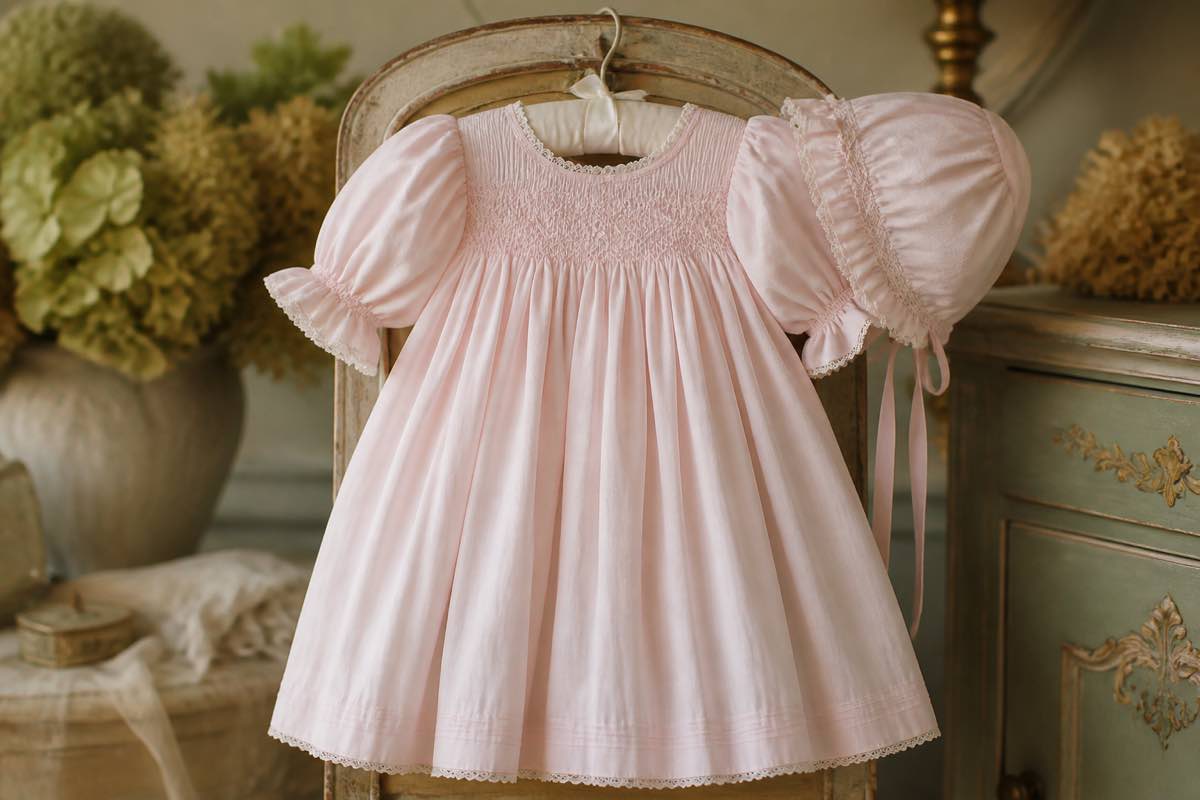
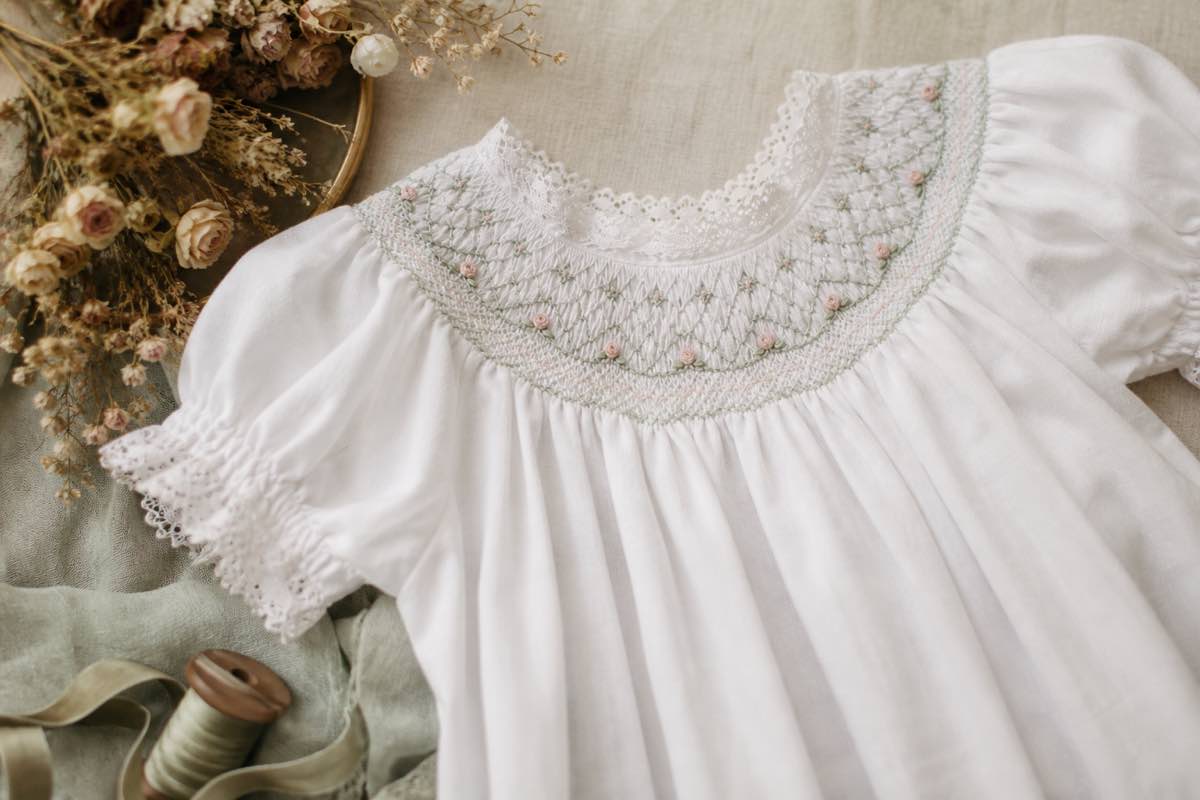
The bishop dress is the crown jewel of heirloom smocking. Here's the complete workflow from pattern to finished garment.
Read more
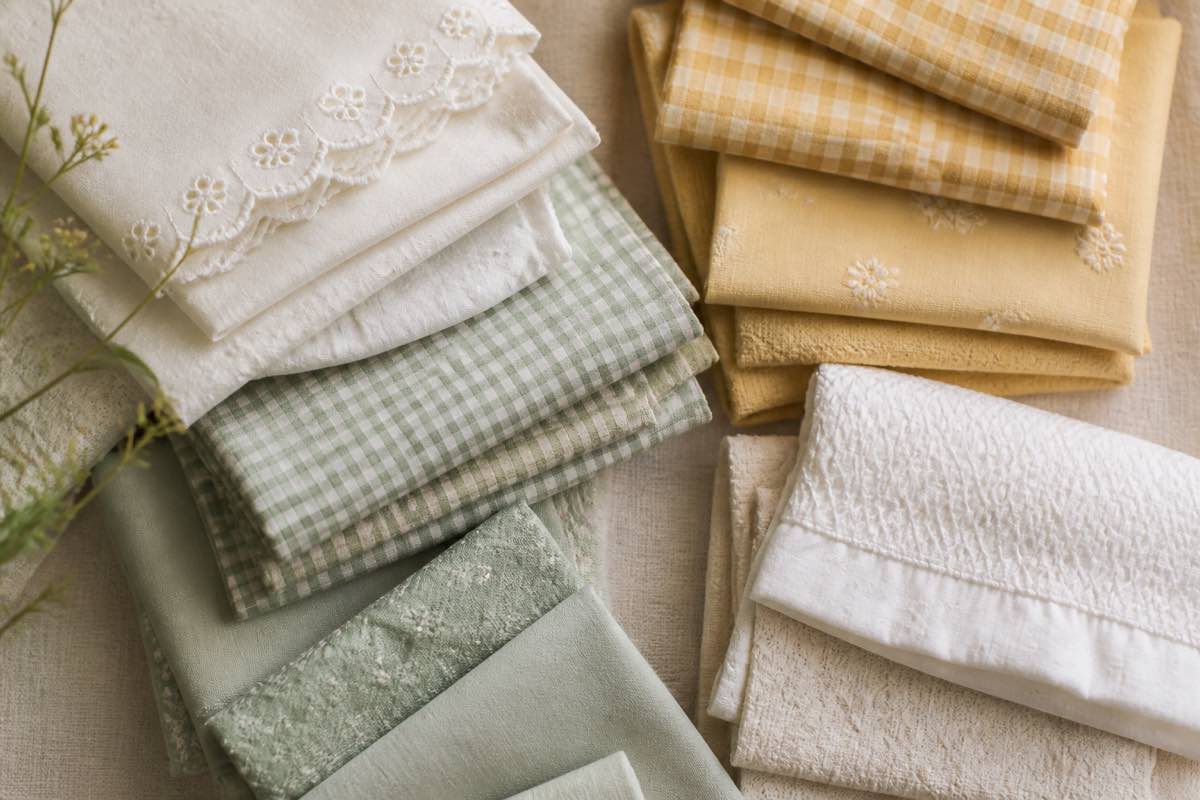
Not every fabric pleats well. Here's what to look for when buying smocking fabric, and which fabrics will fight you at the pleater.
Read more
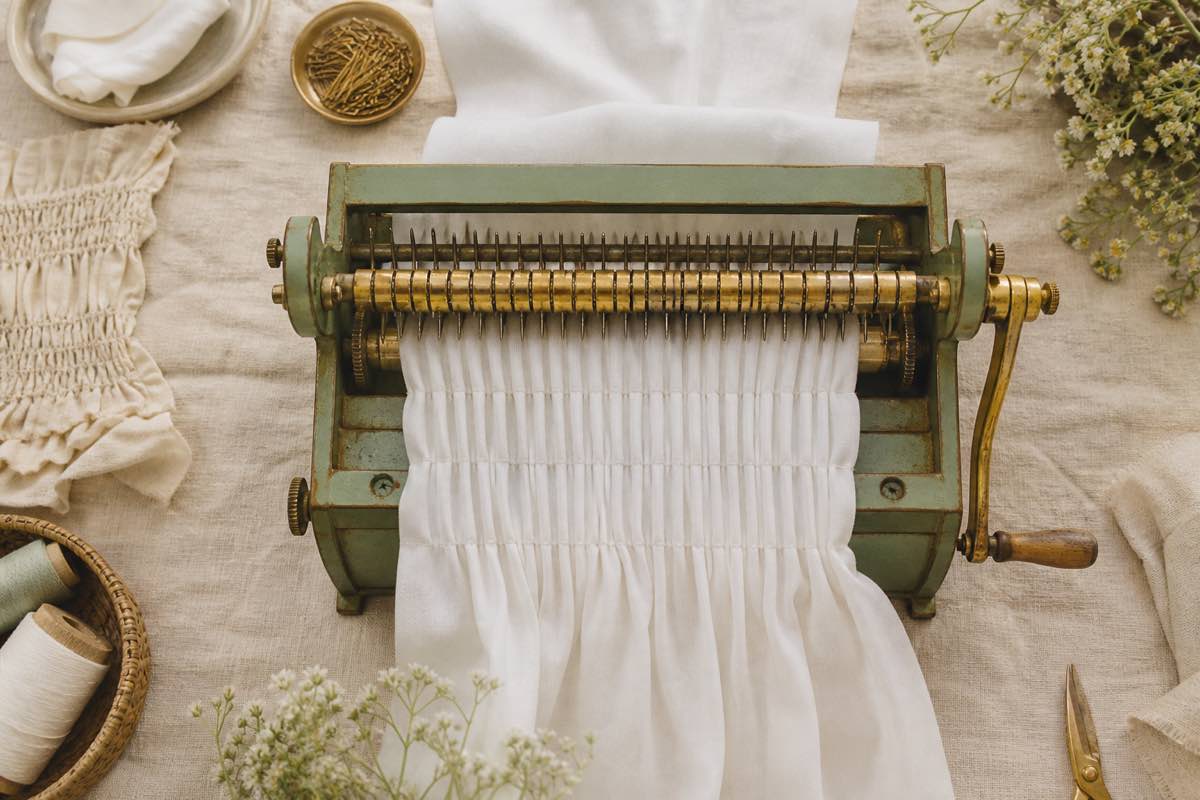
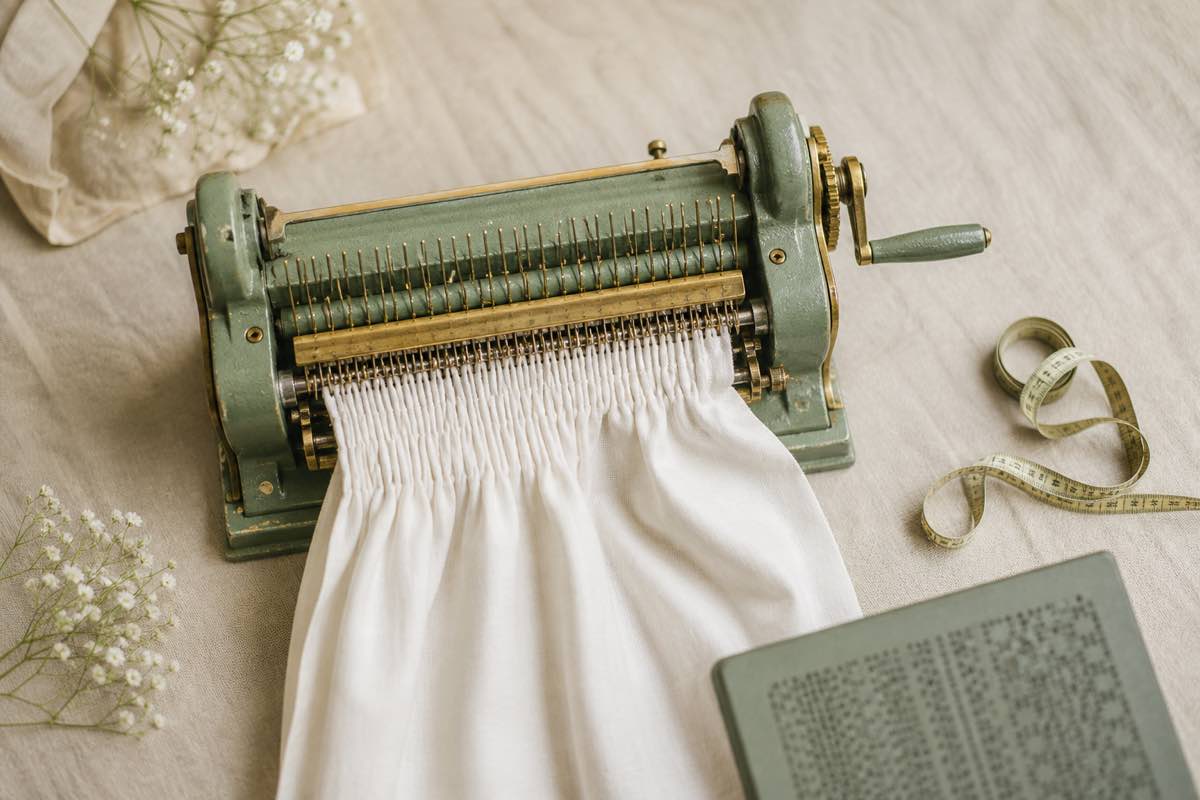
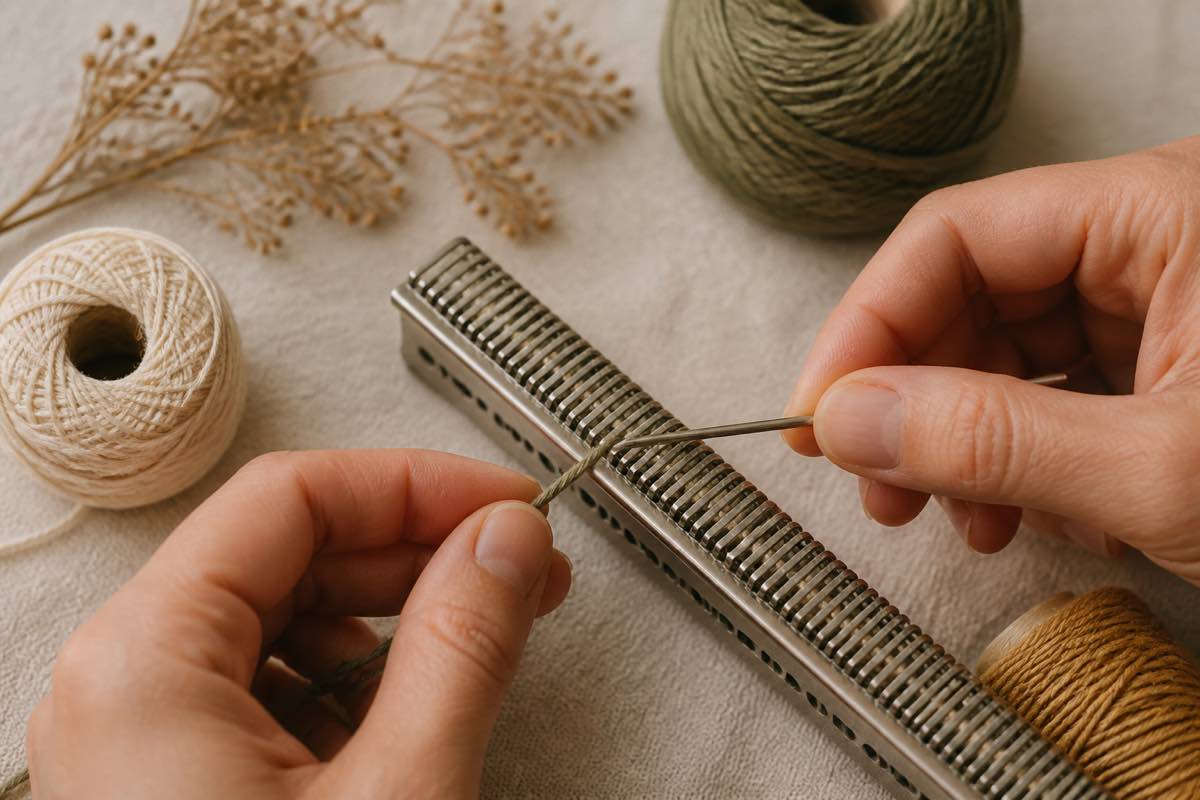
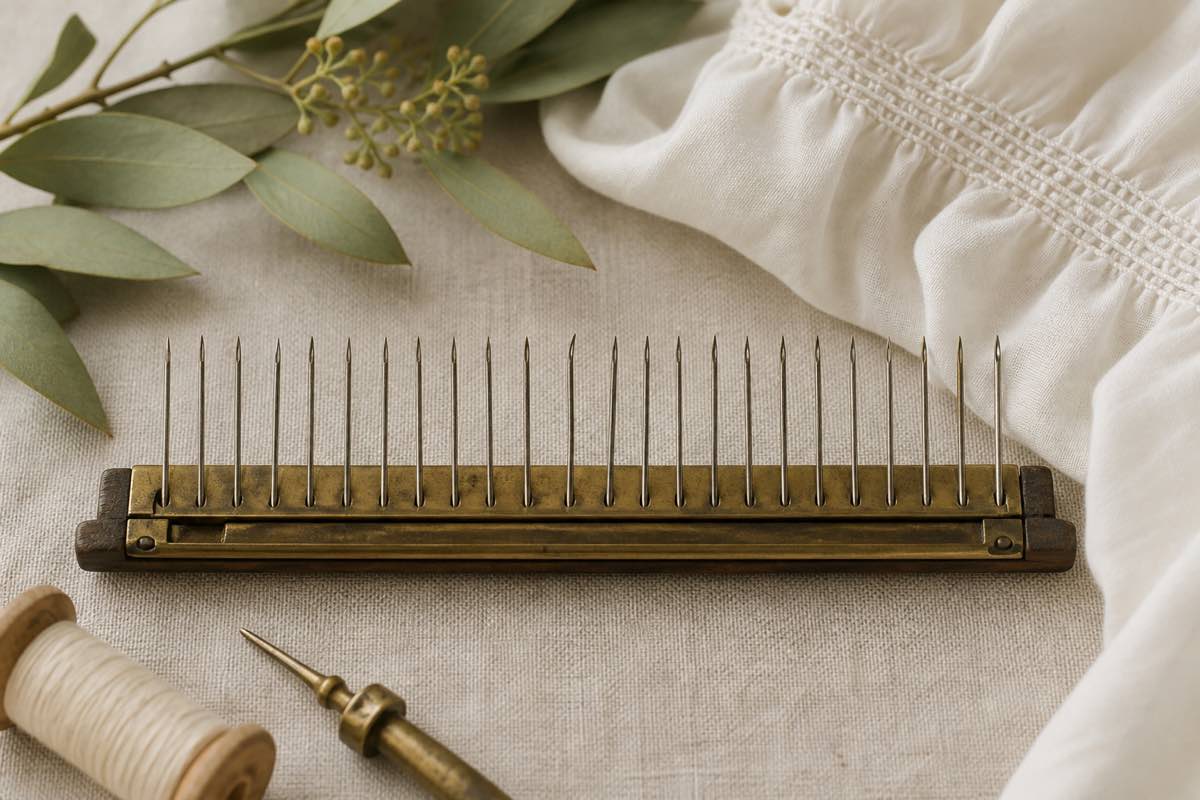
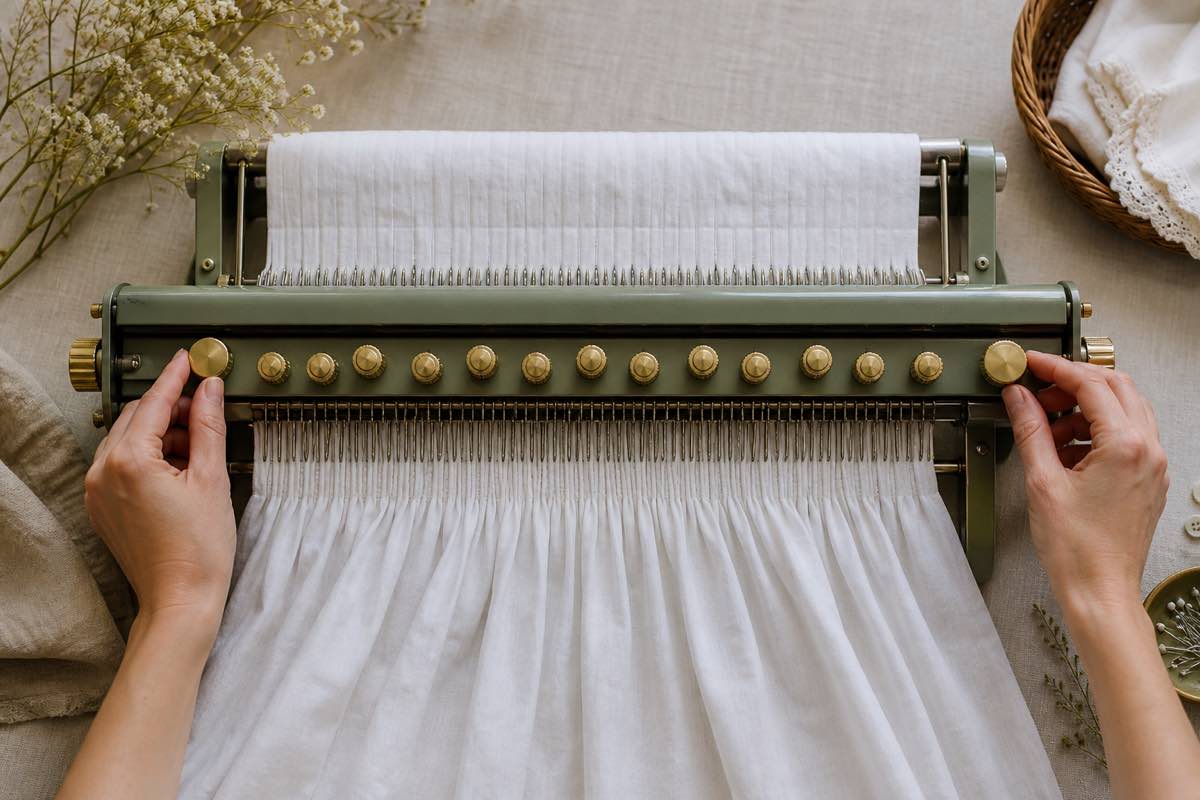
A pleater turns hours of gathering into minutes. Here's how the main models compare and when it's actually worth buying one.
Read more
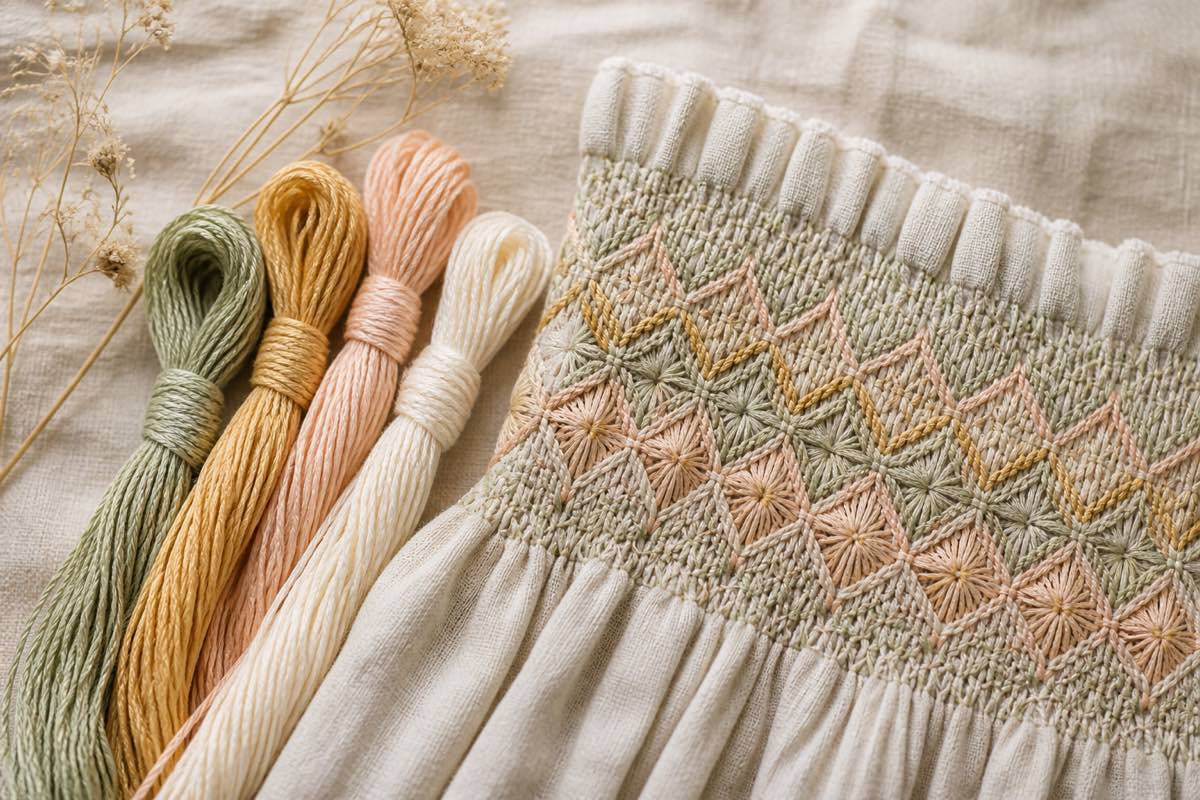
Floss choice makes or breaks a smocked panel. Here's how to pick thread that shows every stitch clearly without overpowering the fabric.
Read more
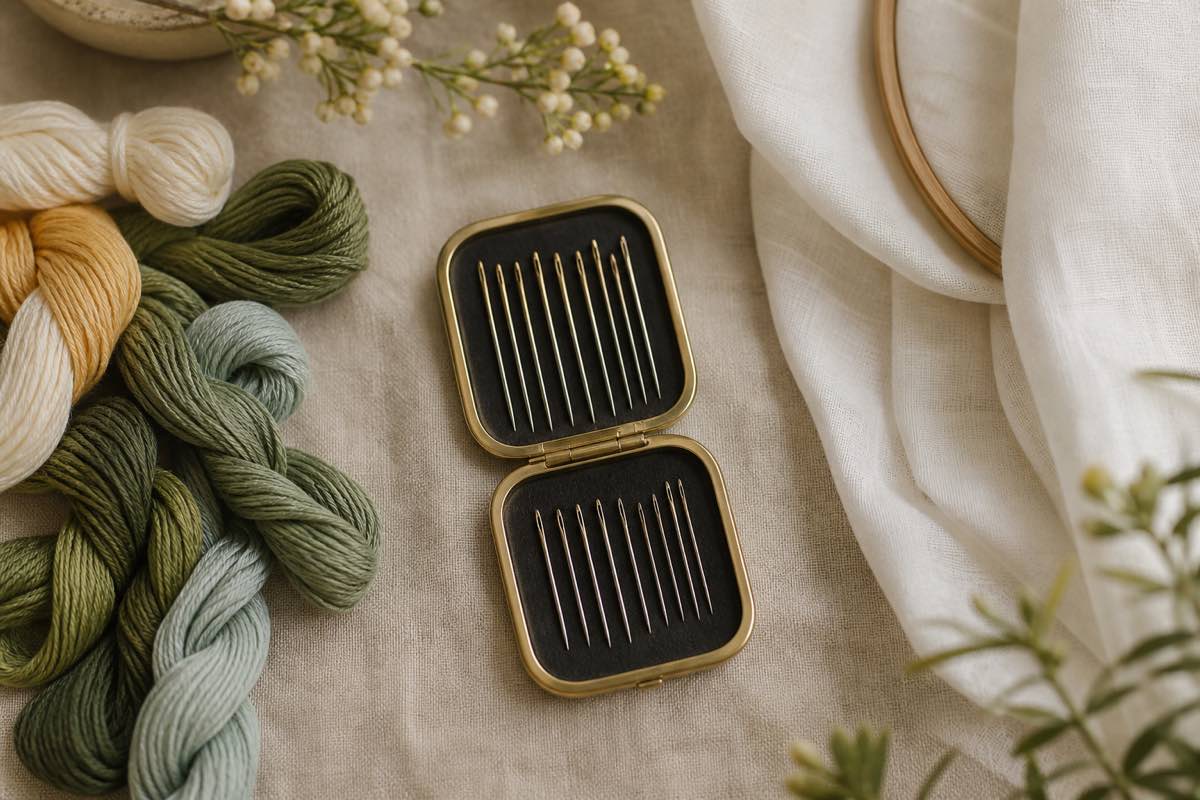
The right needle disappears into the work. Here's how to match crewel, milliner's, and pleater needles to your fabric and stitches.
Read more
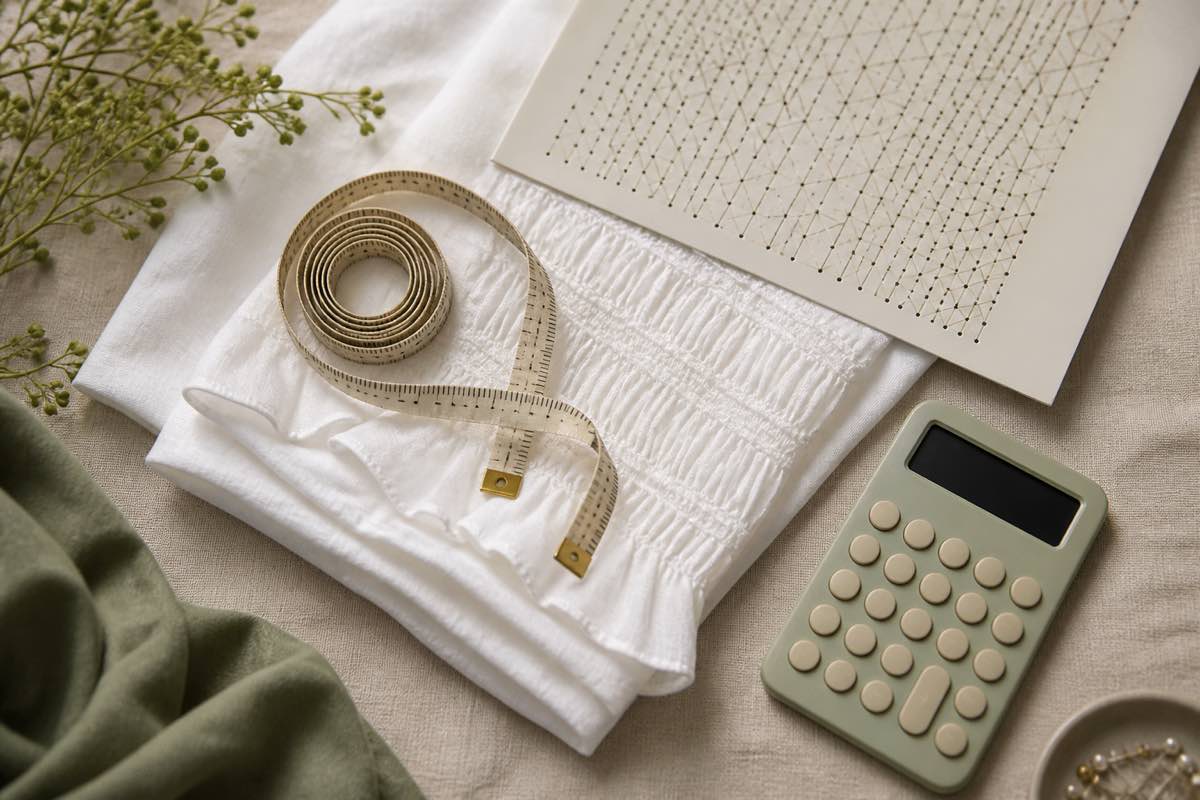
Smocked panels use more fabric than you'd guess. Here's the rule-of-three formula that works for cuffs, yokes, bishops, and pillow panels.
Read more
Stop guessing how much fabric to feed into your pleater. This calculator and guide show the exact flat-to-smocked math for any plate.
Read more
The two big families of smocking — geometric and picture — solve different problems. Here's when to reach for each and how to blend them.
Read more
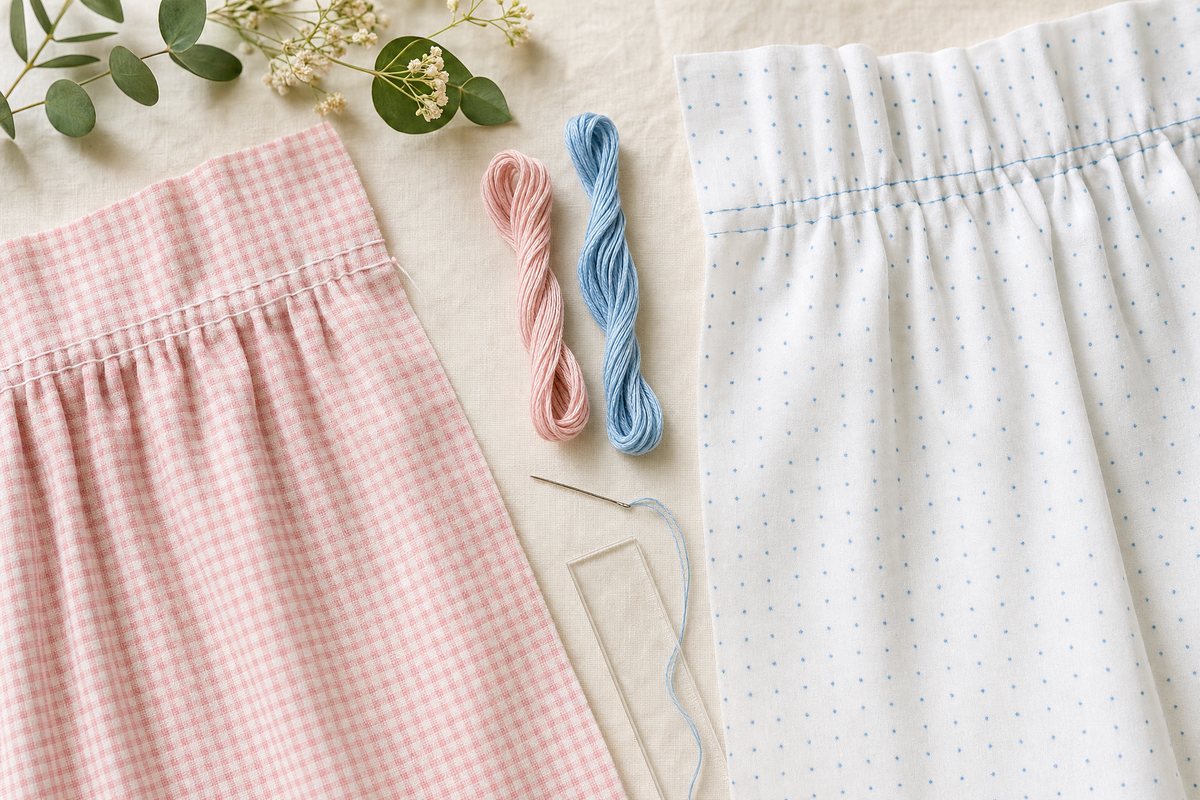
A pleater is the fast way to gather fabric for smocking, not the only way. Here's how to pleat by hand with dot transfers, gingham or a marked grid.
Read more
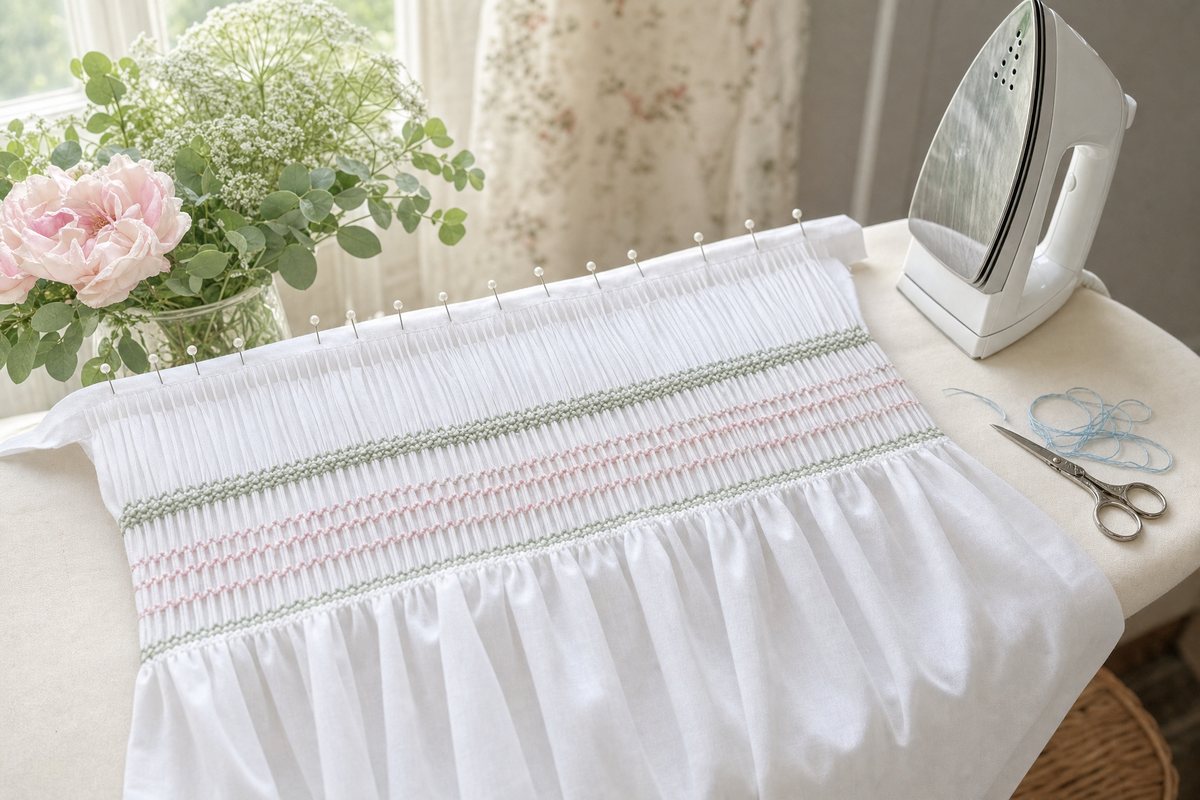
Blocking sets a smocked panel to the width your pattern needs and evens out the pleats. Here's when to do it, how to steam without flattening, and when the threads come out.
Read more
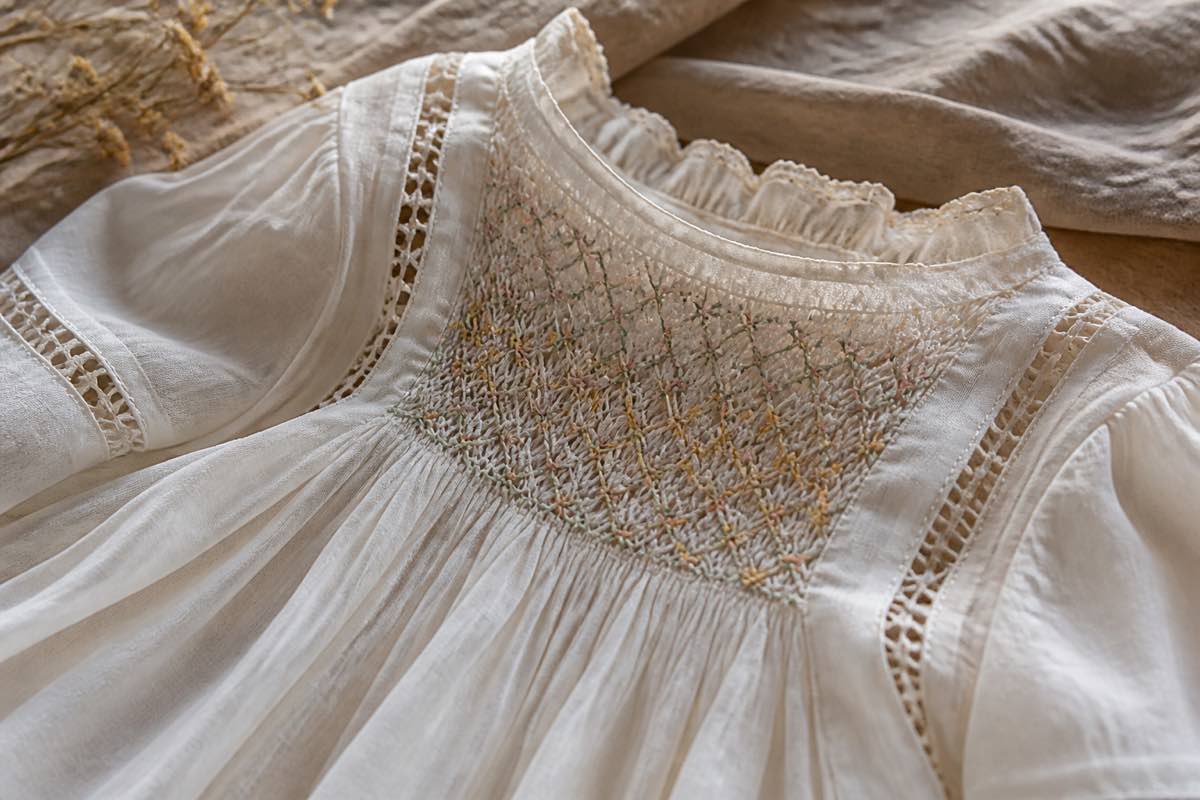
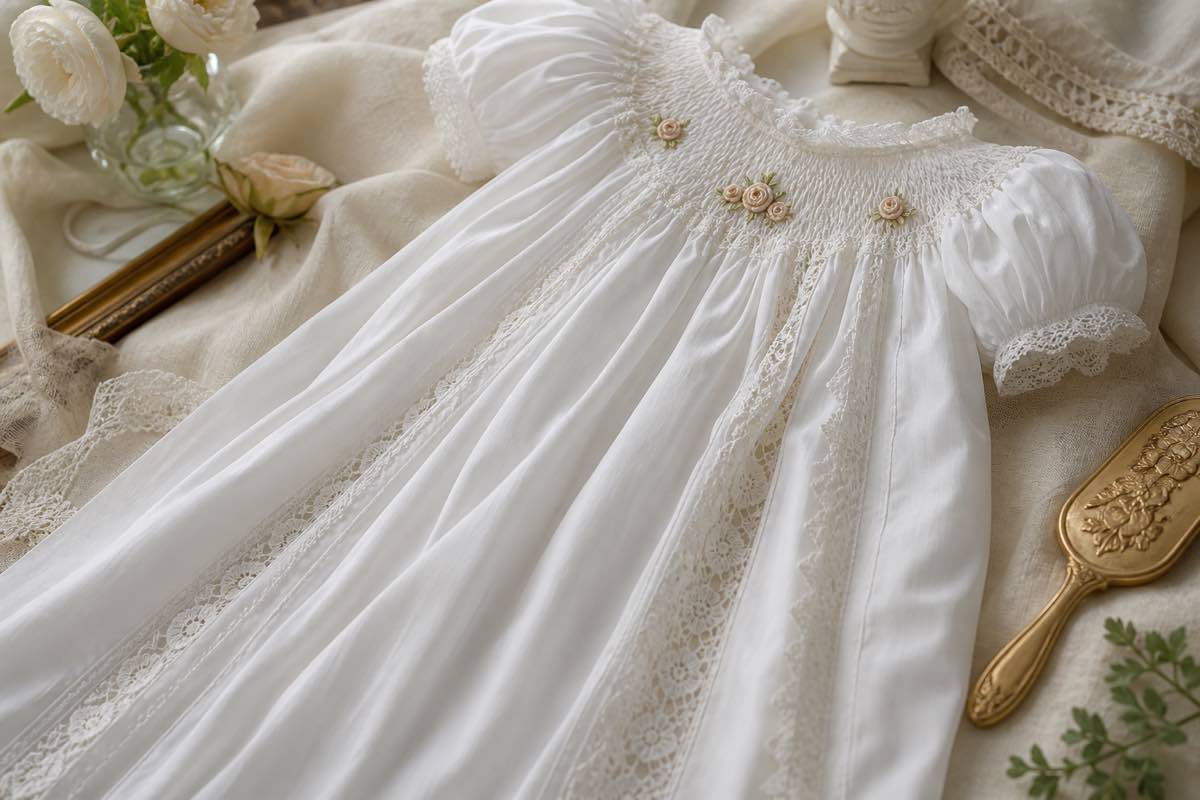
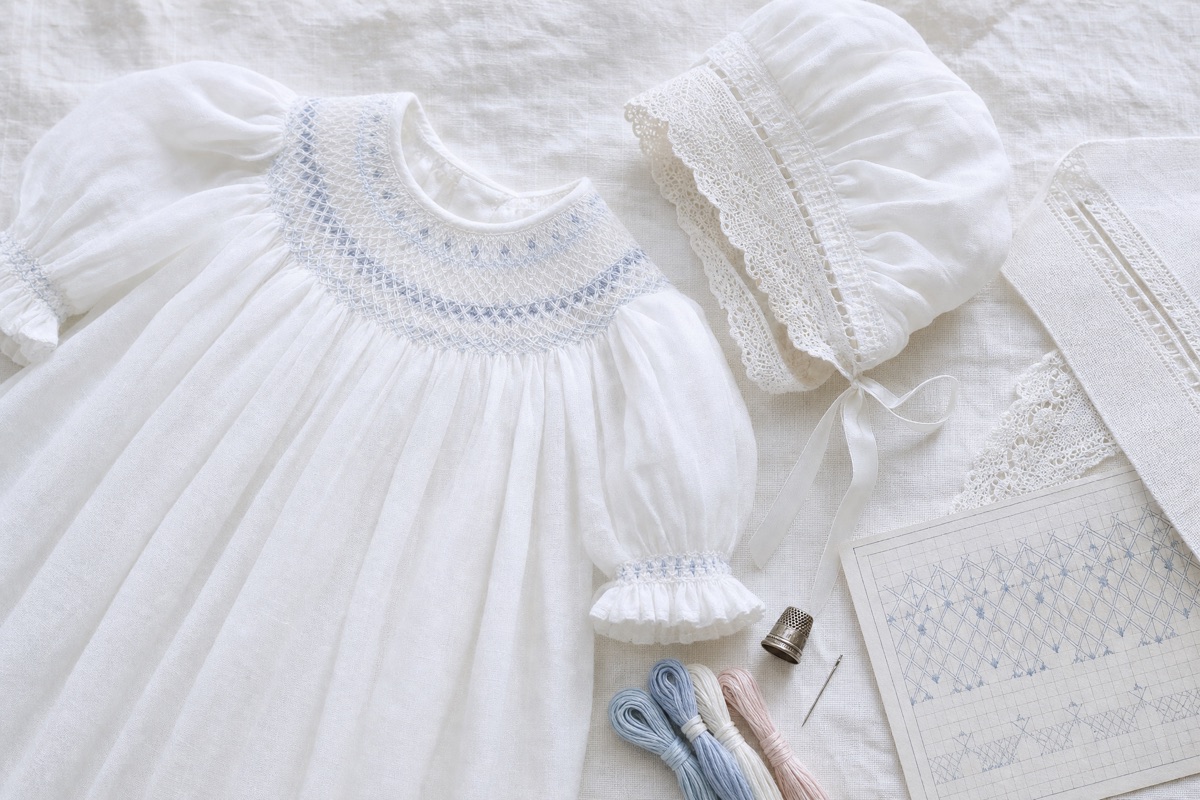
Heirloom sewing combines fine fabrics, lace, smocking, and embroidery into garments meant to last generations. Here's how to start.
Read more
French hand sewing is the connective tissue of heirloom garments. Here are the core techniques and where they belong.
Read more
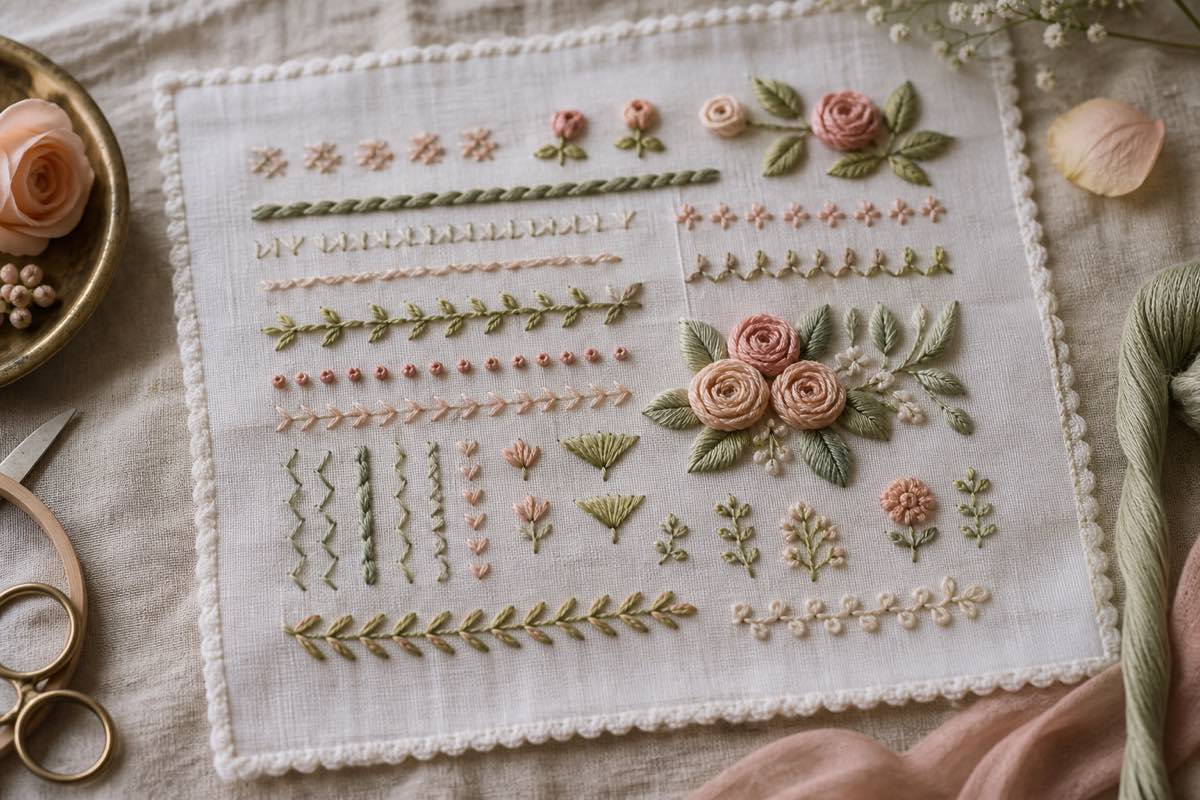
You only need a handful of stitches to embroider an heirloom gown. Here's how each one works and where to use it.
Read more
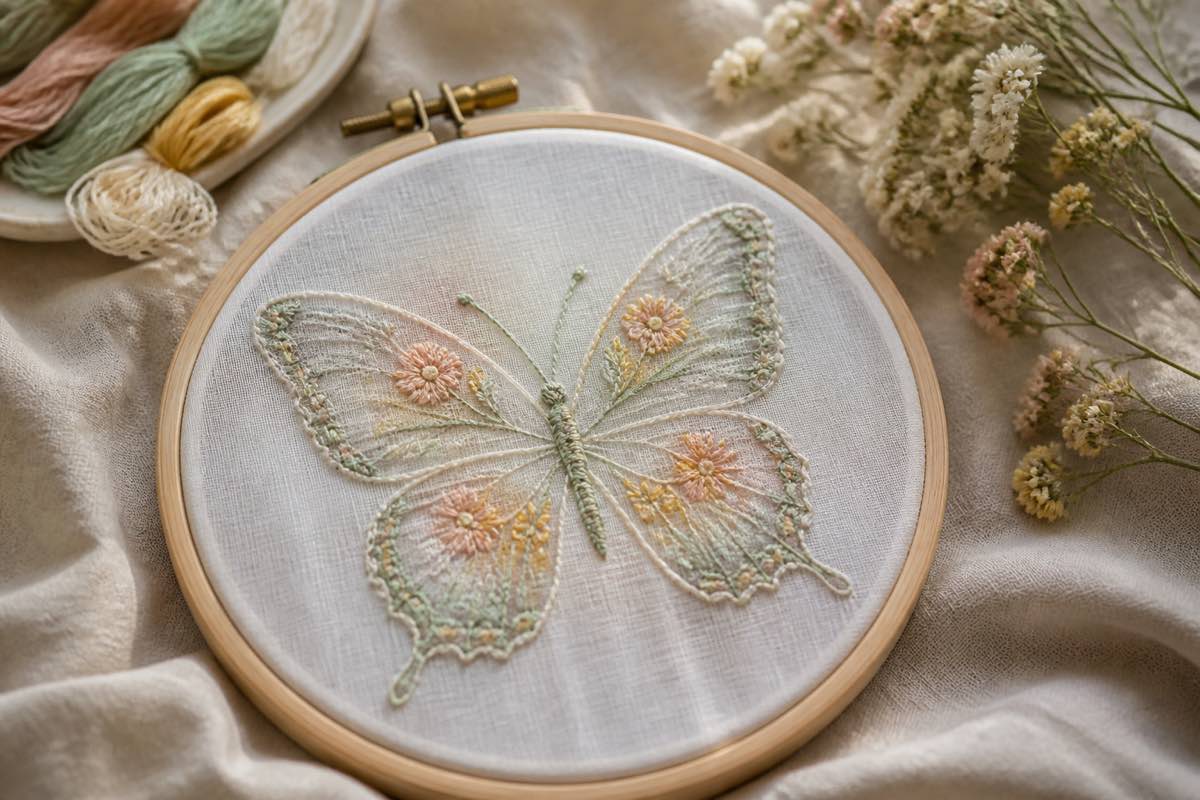
Shadow work is heirloom embroidery's secret weapon — worked on the back, showing through the front. Here's how to do it.
Read more
The most memorable heirloom pieces mix smocking and embroidery on the same yoke. Here's how to plan and execute the combination.
Read more
A christening gown is the pinnacle heirloom project. Here's the full plan from fabric selection to the last hem stitch.
Read more
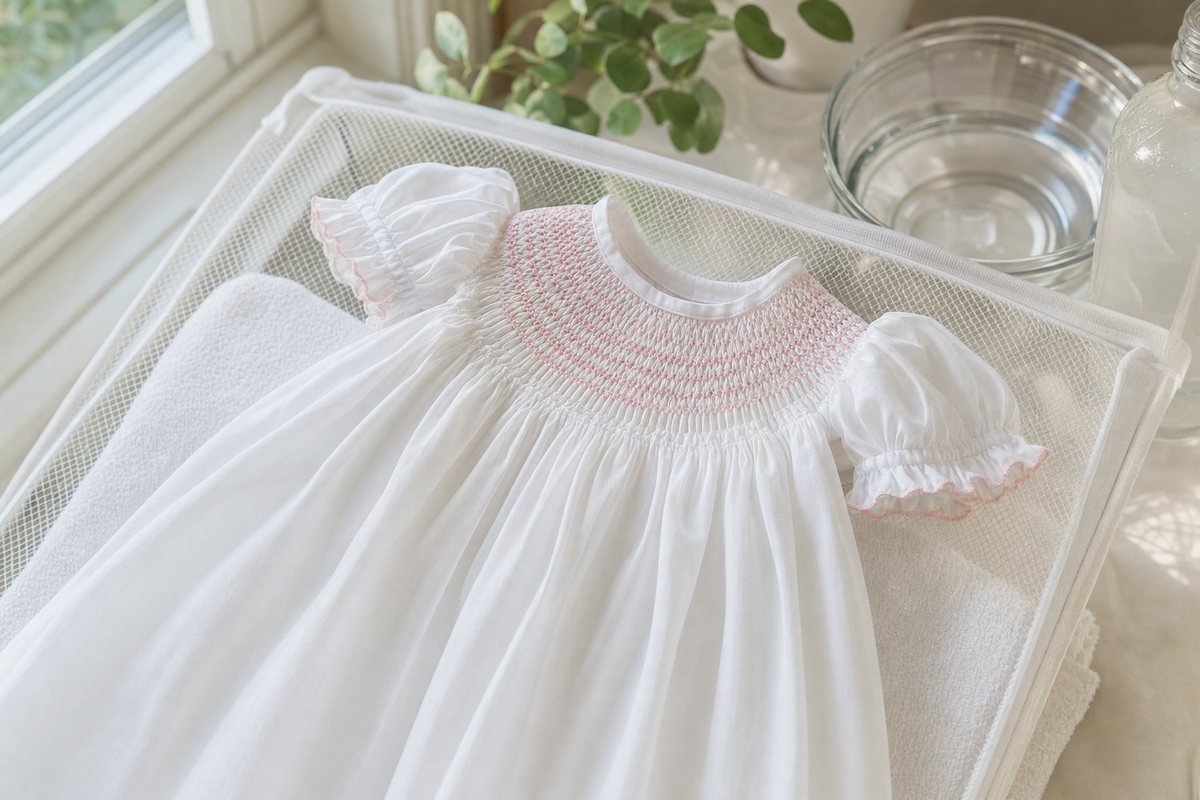
Smocking and lace last for generations if they're washed gently, steamed instead of ironed, and stored clean in acid-free tissue. Here's how.
Read more
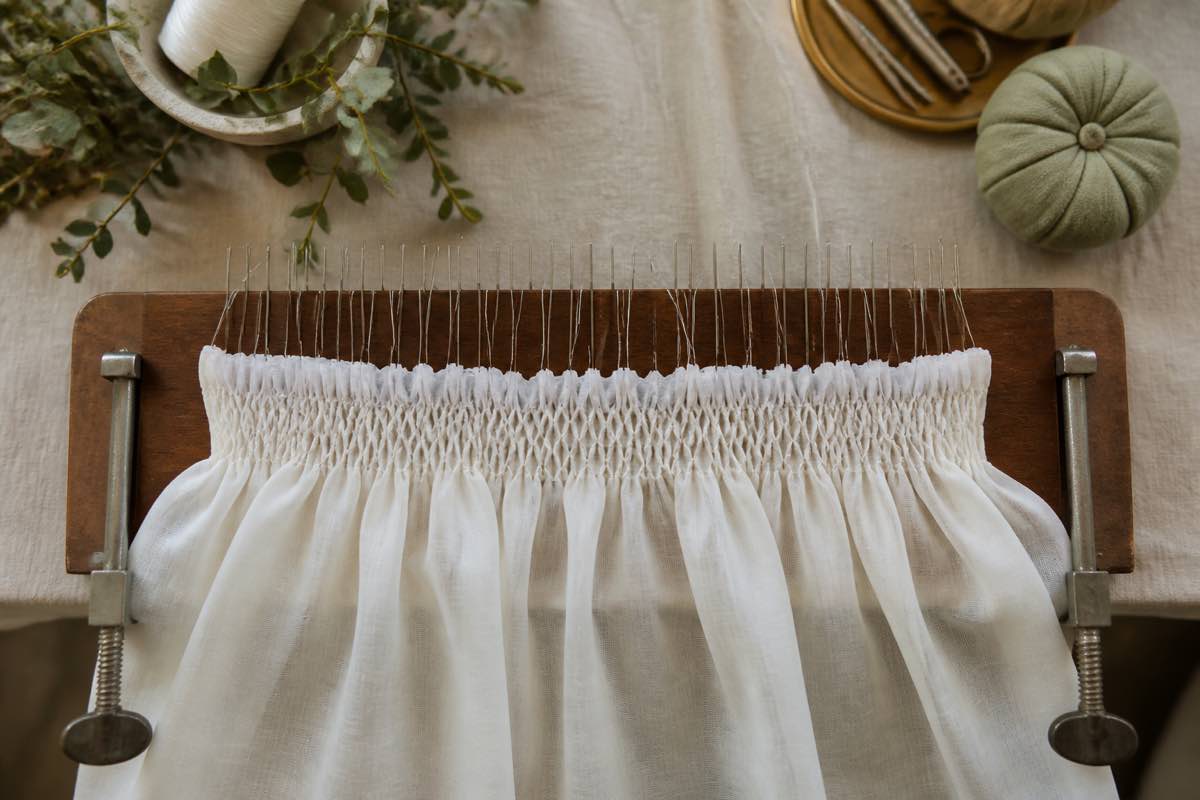
A Read pleater looks intimidating out of the box. Here's the full setup from clamp to first pleats.
Read more
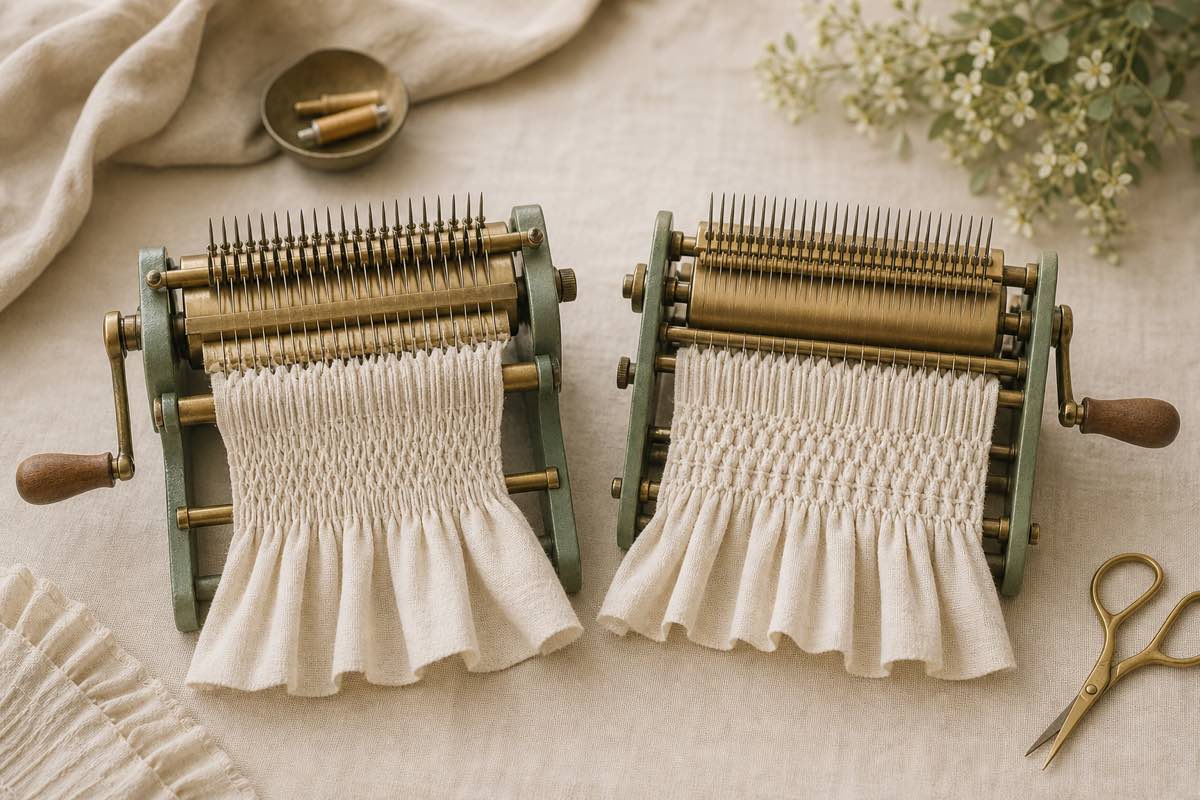
The two dominant home smocking pleaters go head to head. Which one belongs in your studio?
Read more
Threading is where most Read pleater problems begin. Here's the right way to do it every time.
Read more
When a Read pleater fights you, one of three things is usually wrong. Here's how to diagnose and fix them fast.
Read more
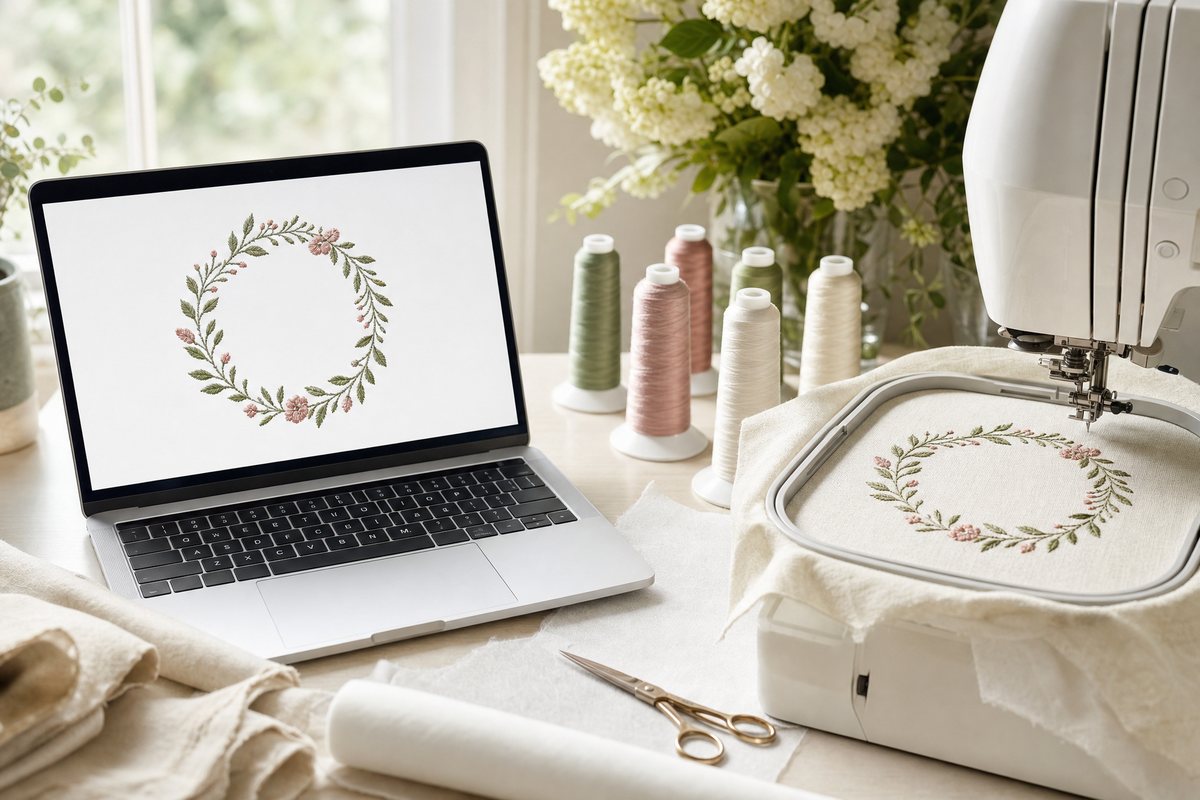
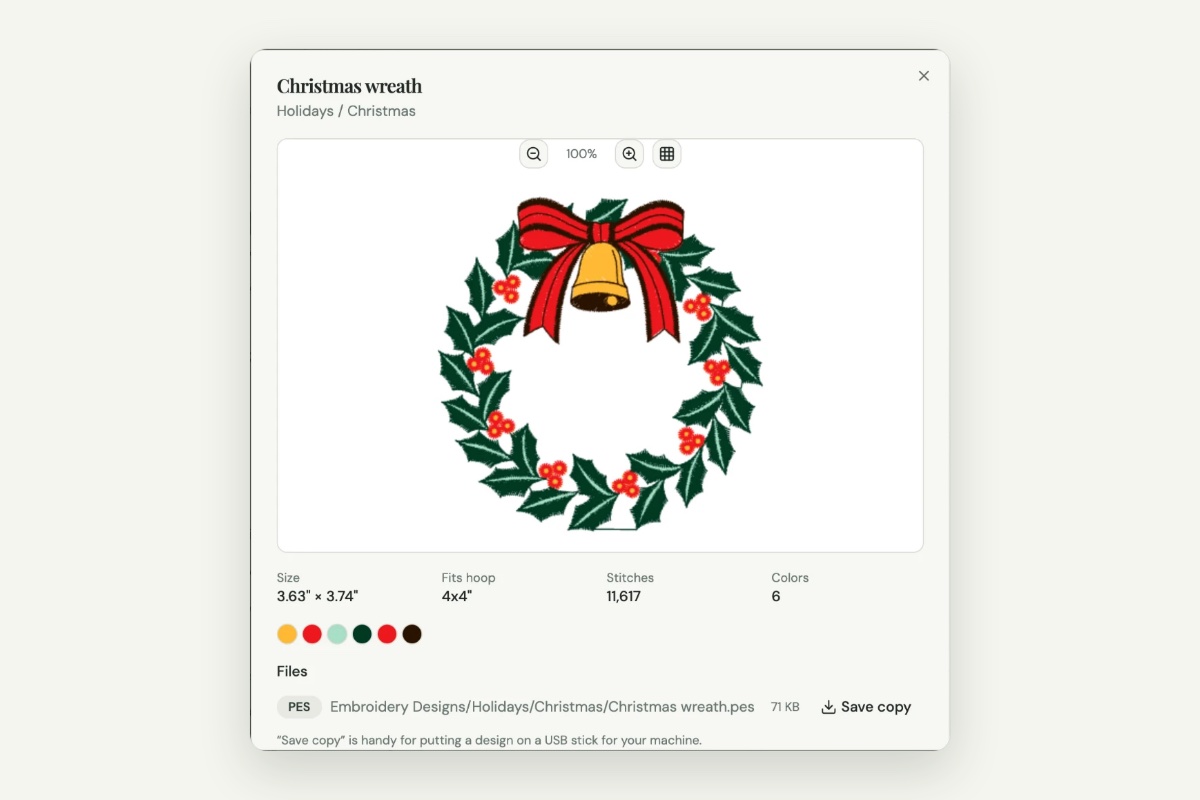
Bought a bundle of embroidery designs and can't see what's inside? Here are the free ways to preview machine embroidery files — including the one that handles a whole library at once.
Read more
Double-click a PES file on a Mac and nothing useful happens. Here's what actually works on macOS, which embroidery apps are Windows only, and how to get the file onto your machine.
Read more
A design shop offers the same file as PES and DST, and you're not sure which to pick. Here's what each format actually stores, and which one to download for your machine.
Read more
Most free embroidery roundups assume you stitch on a Brother. Here are 13 sources that offer free designs in JEF for Janome and VP3 for Husqvarna Viking and Pfaff, checked format by format.
Read more
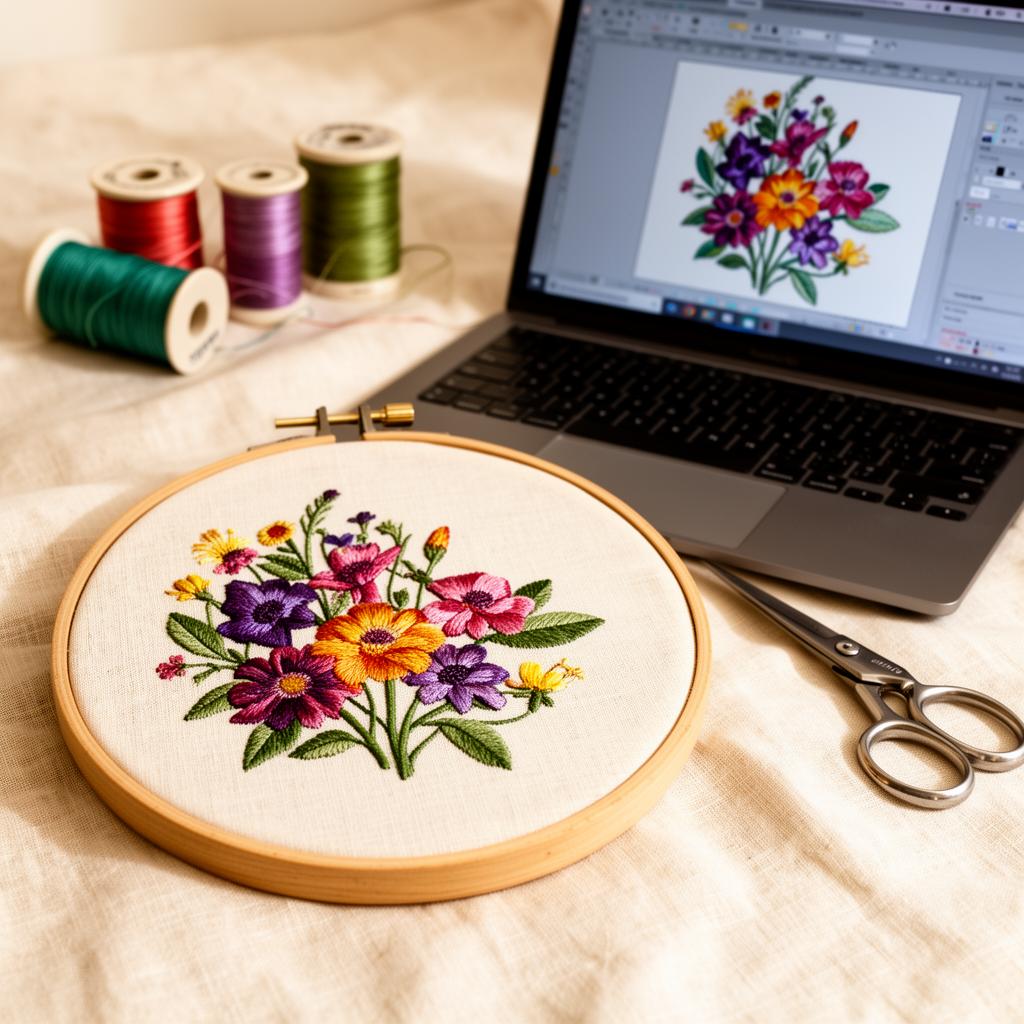
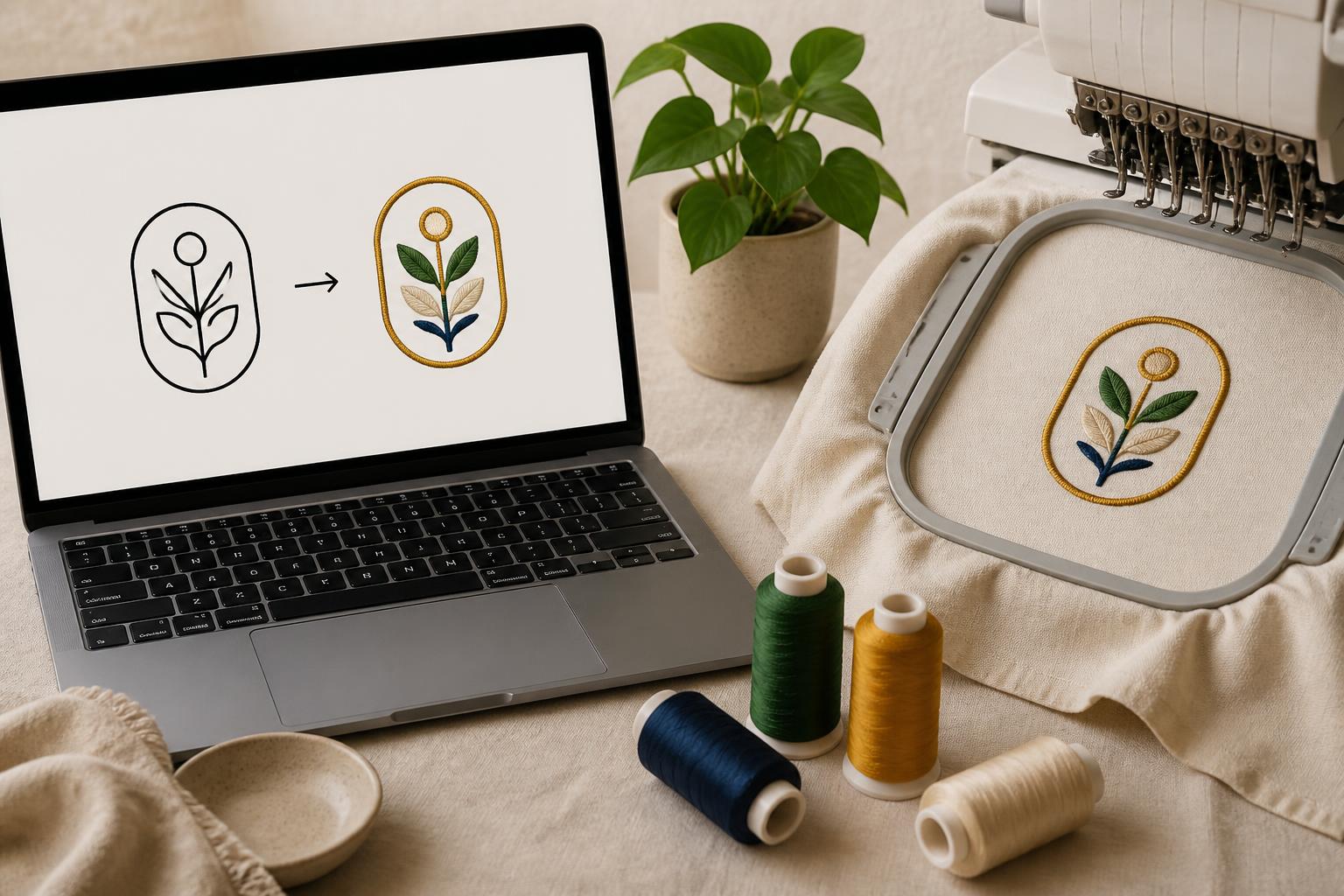
Have a logo or hand-drawn design you want to stitch? Here's what digitizing really involves, the free way to do it yourself, and when it's worth paying a pro.
Read more
Skip buying a new monogram file for every name. Here are the ways to make custom monograms for towels, totes and gifts, and how to size and place them.
Read more
Need to resize, recolor or tidy an embroidery design? Here's what you can change on your machine, in free software, and when an edit really needs re-digitizing.
Read more
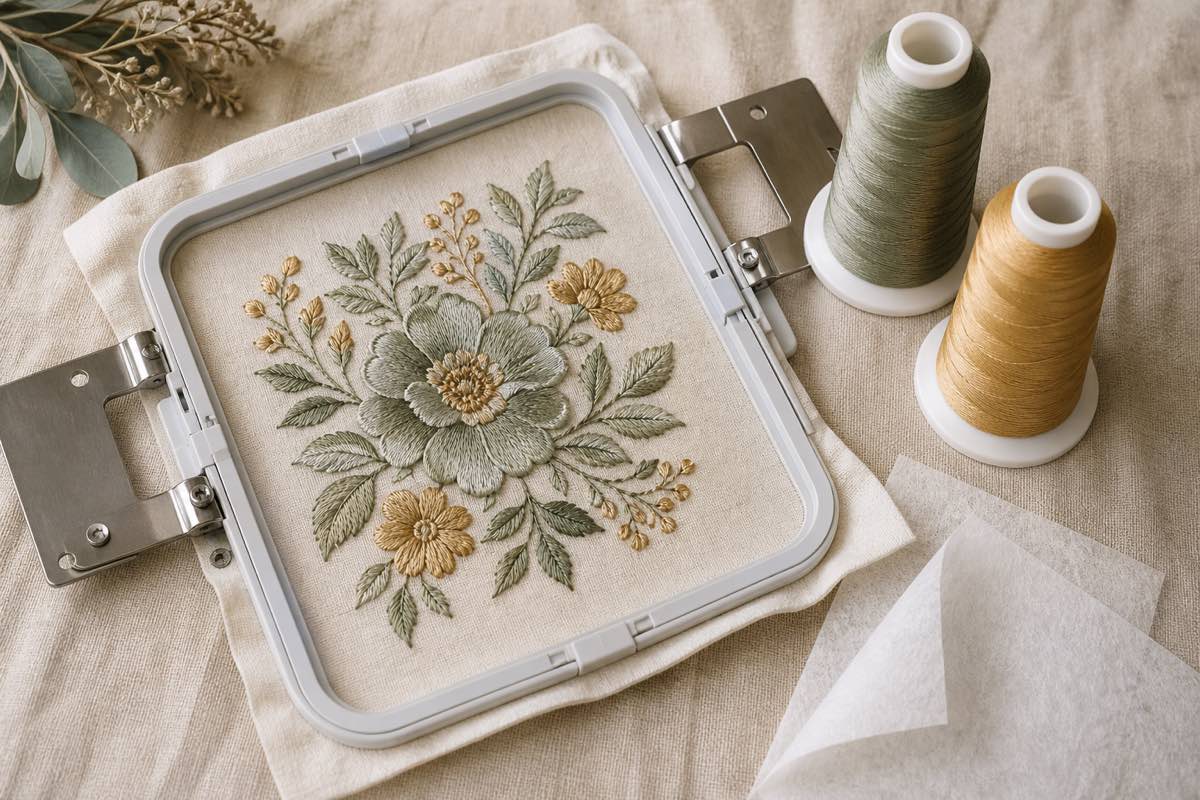
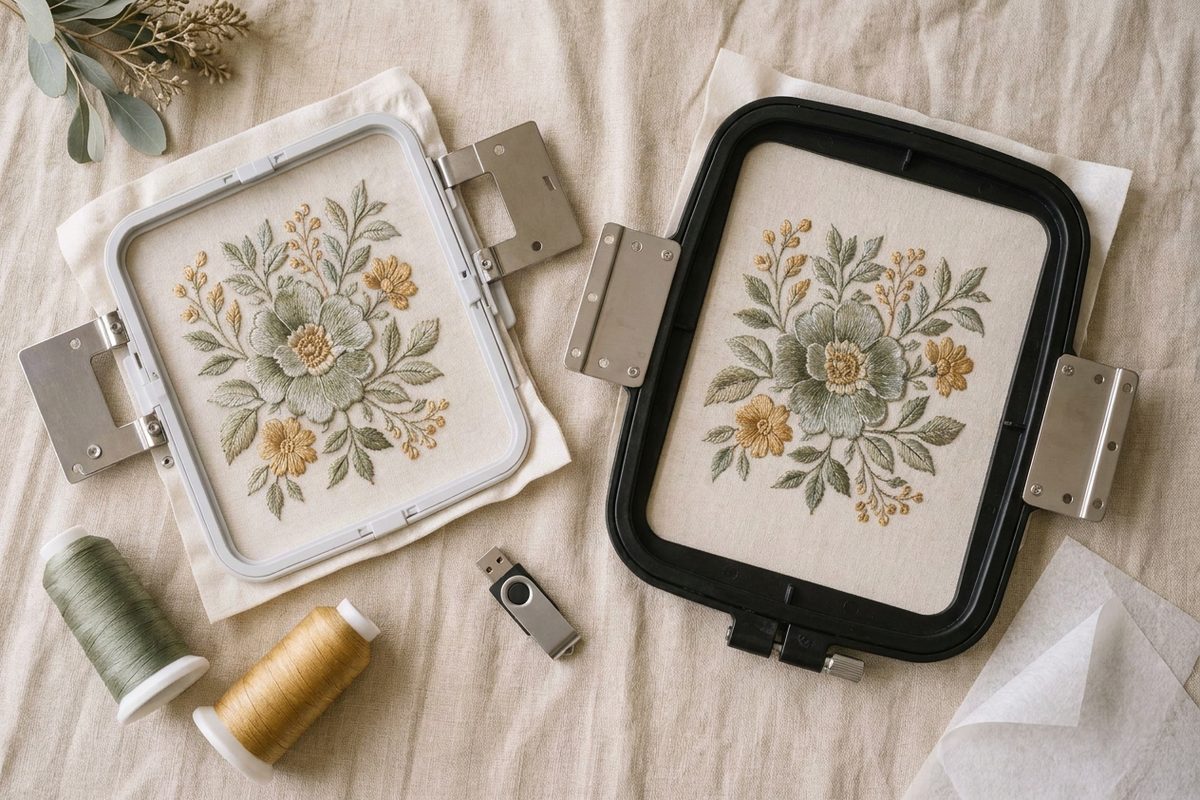
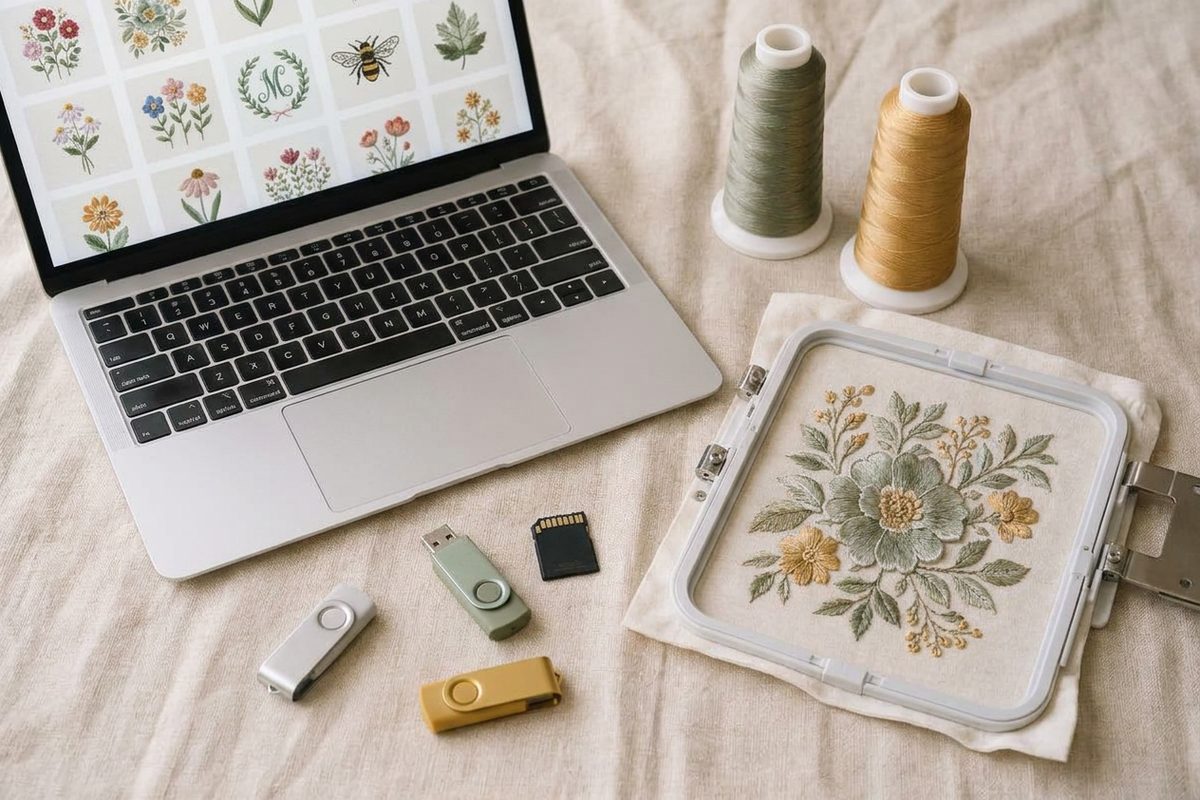
Machine embroidery uses different threads, different stabilizers, and a whole digital library of design files. Here's how to keep it organized alongside your garment sewing supplies.
Read more
Not another list of Trello templates. Seven real sewing apps, compared on price, platform, and what they actually track.
Read more
Stash Hub is good. It is also subscription-only and stops at garment sewing. Here is what else exists in 2026, and who each option is genuinely right for.
Read more
Threadloop is free and genuinely good. Here is what to use when you need embroidery, smocking, machines or a sewing library that it does not cover.
Read more
The honest answer to the question every sewist asks eventually: no, and here is the closest you can get for free in 2026.
Read more
Cora is cheap and pleasant. It is also stuck on one device and only tracks fabric. Here is what to use when you outgrow it.
Read more
A head-to-head comparison of the dedicated sewing organizer apps, plus the DIY tools sewists use instead, with prices checked against each app's own listing.
Read more
PatternReview.com has been the go-to since 2001. Here's what else exists in 2026, what each one is actually good at, and the all-in-one that finally ties them together.
Read more
If you've ever tried to catalog your patterns in a spreadsheet and given up by week three, you're not lazy — the format is wrong. Here's what actually works.
Read more
Cataloging a pattern shouldn't take five minutes of typing. Here's the four-step flow that gets a full record — photos, sizes, yardage, notions — in under a minute.
Read more
Brand and decade are the two most useful facts about any pattern envelope. Here's how to categorize a collection by maker and era — and filter it instantly.
Read more
Folders force one item into one box. Tags let a single fabric be 'summer', 'knit', 'gift sewing' and 'needs lining' at the same time. Here's a tagging system that works.
Read more
A smocking plate isn't a pattern — it's a design that goes on one. Here's how to categorize plates and heirloom patterns so they find each other.
Read more
A twenty-year run of Sew Beautiful is a goldmine you'll never use if you can't search it. Here's how to catalog sewing books, magazines and catalogs properly.
Read more
Tired of digging through piles of pattern envelopes? Here's a step-by-step system for organizing your sewing patterns — whether you have 20 or 2,000.
Read more
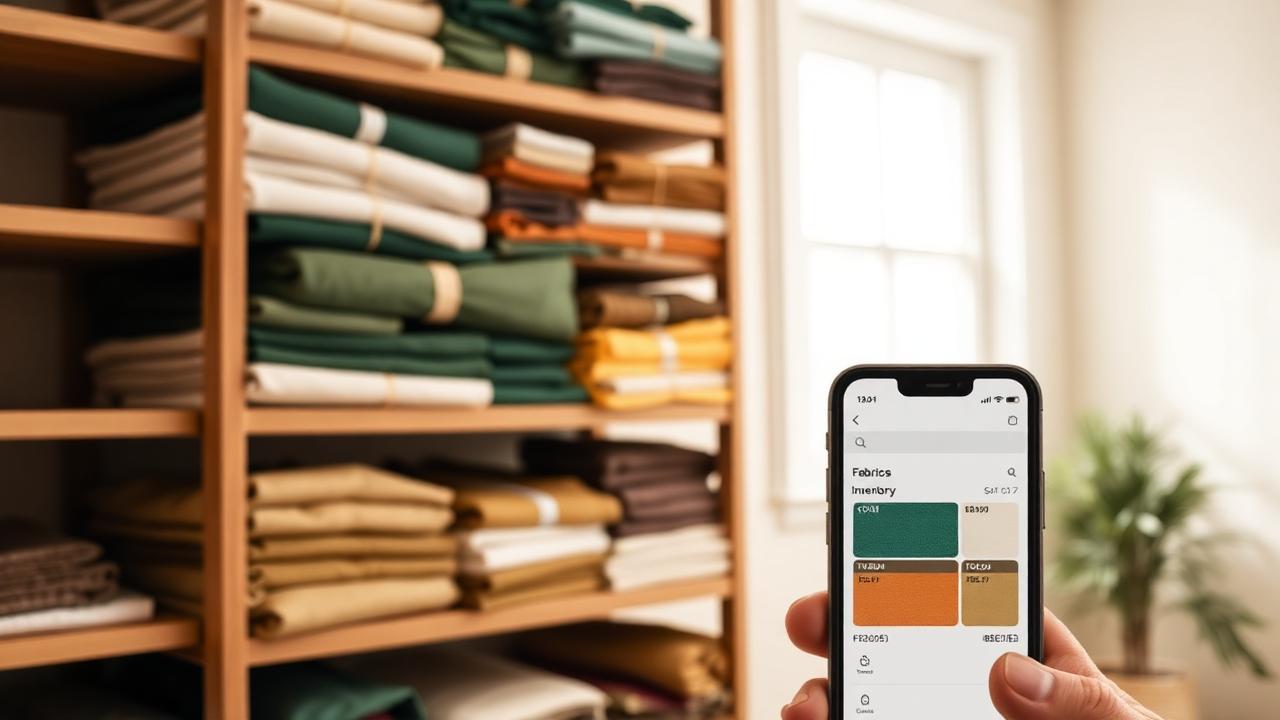
Your fabric stash is an investment. Here's how to track it so you stop buying duplicates and start sewing from what you already own.
Read more
Pattern sales are irresistible — but buying patterns you already own isn't. Here's how to break the duplicate pattern cycle for good.
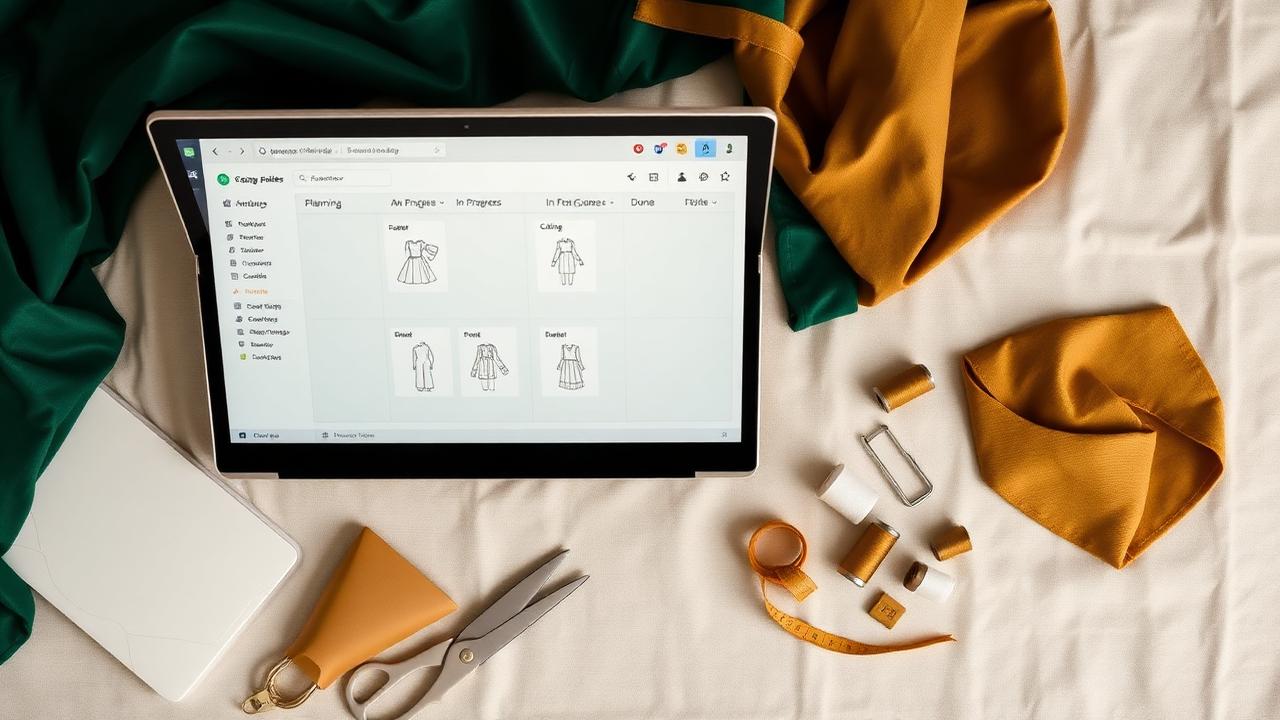
Read moreToo many works-in-progress and not enough finished projects? A sewing project tracker helps you plan, prioritize, and actually complete your sewing goals.
Read more
Every sewist has UFOs — Unfinished Objects. Here's why we abandon projects, how a Kanban board fixes it, and how to set one up in 15 minutes.
Read more
PDF sewing patterns have transformed the indie pattern world — but they come with an organizational challenge paper patterns don't. Here's how to tame the digital chaos.
Read more
You bought the Hinterland Dress. Now find the file. Here's how to turn PDF chaos into a searchable digital sewing pattern library.
Read more
Filing cabinet full of vintage Big 4s. Hard drive full of A0 PDFs. Here's how to catalog both in a weekend — including the AI shortcut that does the typing for you.
Read more
Every sewist has a 'doom box.' Here's how to organize your entire fabric stash in one focused afternoon — without pulling everything onto the floor.
Read more
If your fabric stash has stopped feeling like a resource and started feeling like a burden, here's the framework that actually works.
Read more
Your fourth spool of Gutermann black thread and your third 14-inch invisible zipper say you need a better notions system. Here's one that works.
Read more
You sewed a tailored blazer using measurements from two years ago. It doesn't fit. Here's how to track sewing measurements so this doesn't happen again.
Read more
Kids grow, bodies change, sticky notes disappear. Here's how to take accurate sewing measurements once and reference them on every future project — without losing the list.
Read more
You want to sew that dress again, but you can't remember if you lengthened the bodice 1" or 2". A sewing journal solves this problem permanently.
Read more
The perfect linen at the fabric store, but you can't remember if you already own three yards at home. Here's how to stop guessing.
Read more
You probably already own enough fabric to make a new wardrobe. Here's how to stop accidental $50 zipper runs and use what's in your stash before buying anything new.
Read more
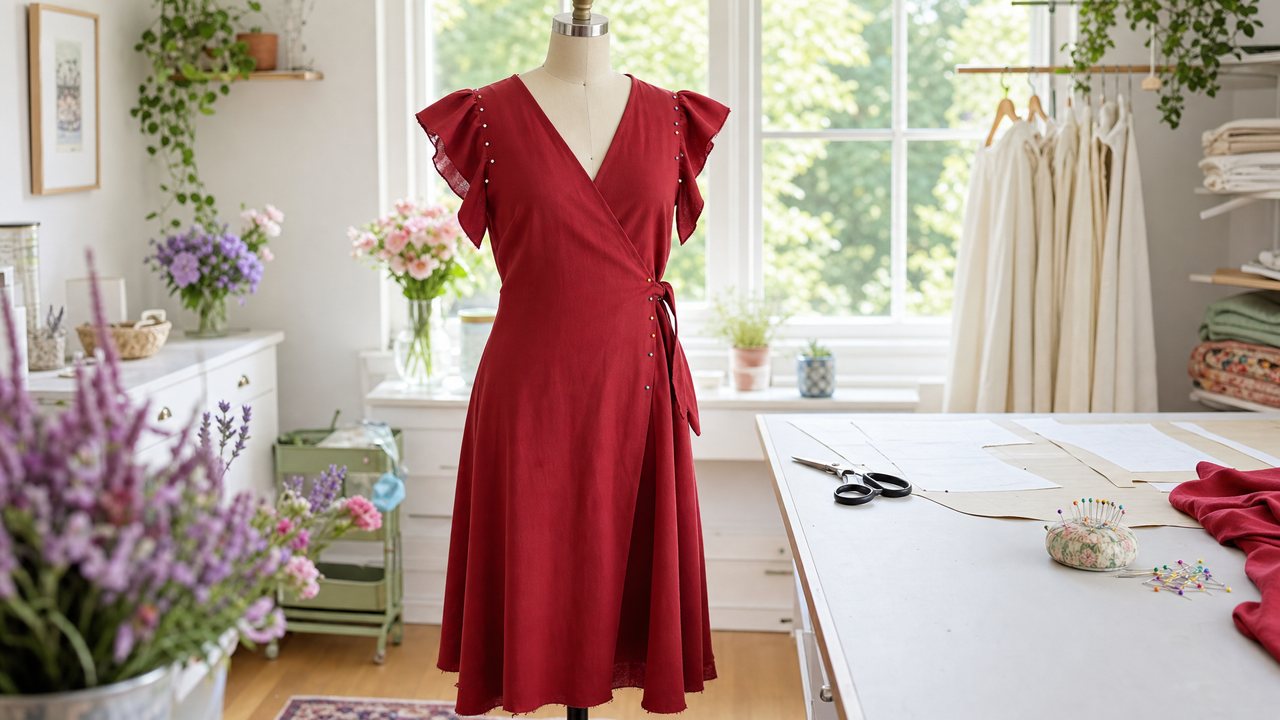
Love the bodice of Pattern A and the skirt of Pattern B? Here's how to mash them together without ruining your fabric — including the muslin step nobody skips.
Read more
Free sewing patterns are everywhere, but many lists point to sites that now charge. Here are 18 sources we checked in October 2026, sorted by what you want to sew.
Read more
Know what you want to sew but not where to find a free pattern for it? This index sorts checked free patterns by garment, from tees and skirts to jackets, pajamas, menswear and bags.
Read more
Kids outgrow clothes fast, which makes free patterns extra welcome. Here are 18 free patterns for babies, toddlers and big kids, each checked on its own page in October 2026.
Read more
Bags are the best free patterns there are: no fitting, little fabric and a finished gift in an afternoon. Here are 20 free totes, pouches, crossbodies and backpacks we checked.
Read more
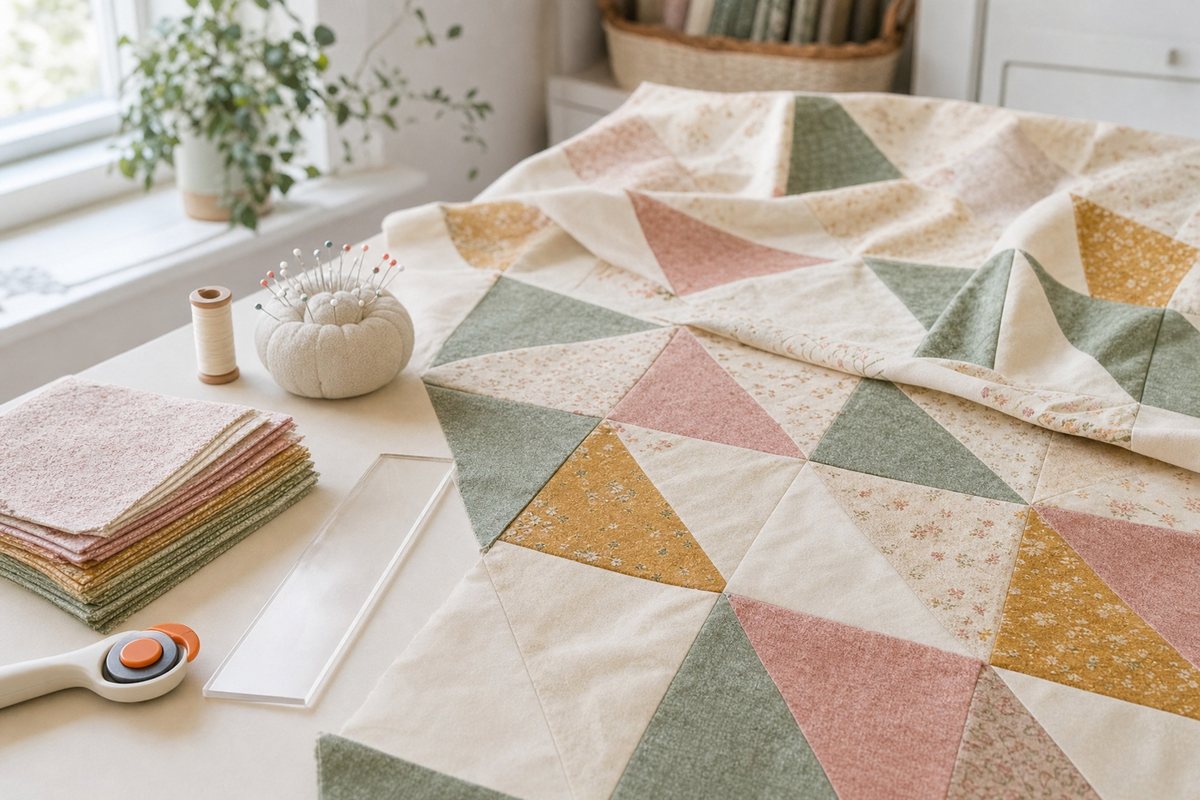
Fabric companies give away thousands of quilt patterns to show off their new collections. Here are 11 free libraries we checked, plus the best beginner, baby and small projects in each.
Read more
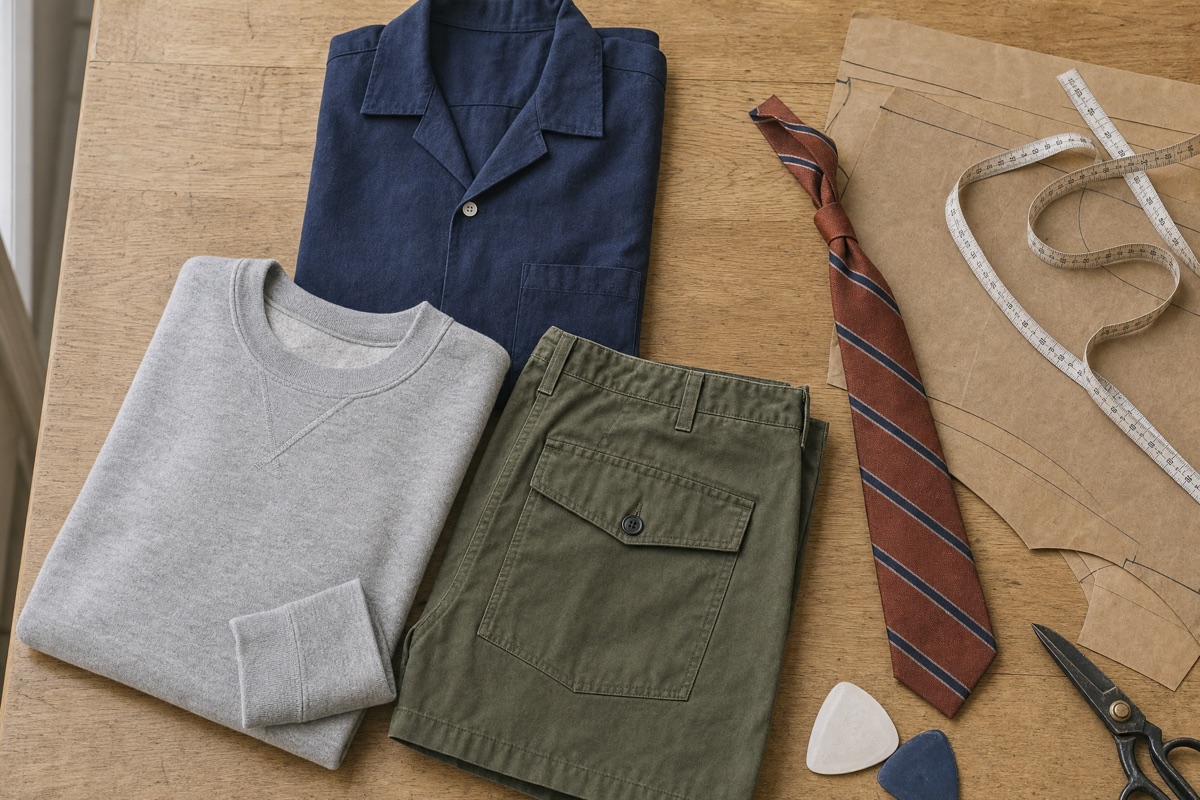
Free menswear patterns are harder to find than womenswear, but they exist. Here are 18 we checked by hand, from a made-to-measure dress shirt to carpenter pants, boxers and a bow tie.
Read more
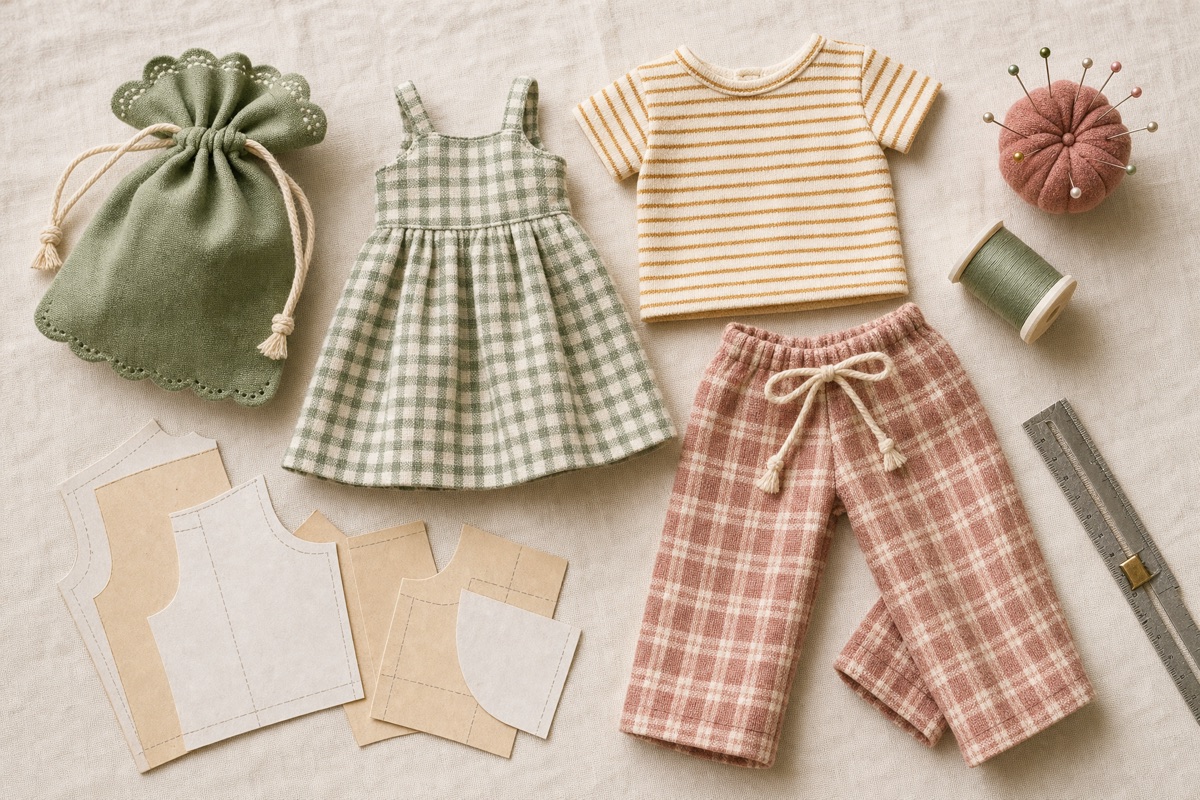
Doll clothes are the perfect scrap project and the perfect first project with a kid. Here are 18 free patterns we checked by hand, sorted by doll size.
Read more
Heirloom patterns are rarely free, which is why most lists are full of dead links. Here are 15 free gowns, plates and public-domain books we checked by hand, and the use terms each one comes with.
Read more
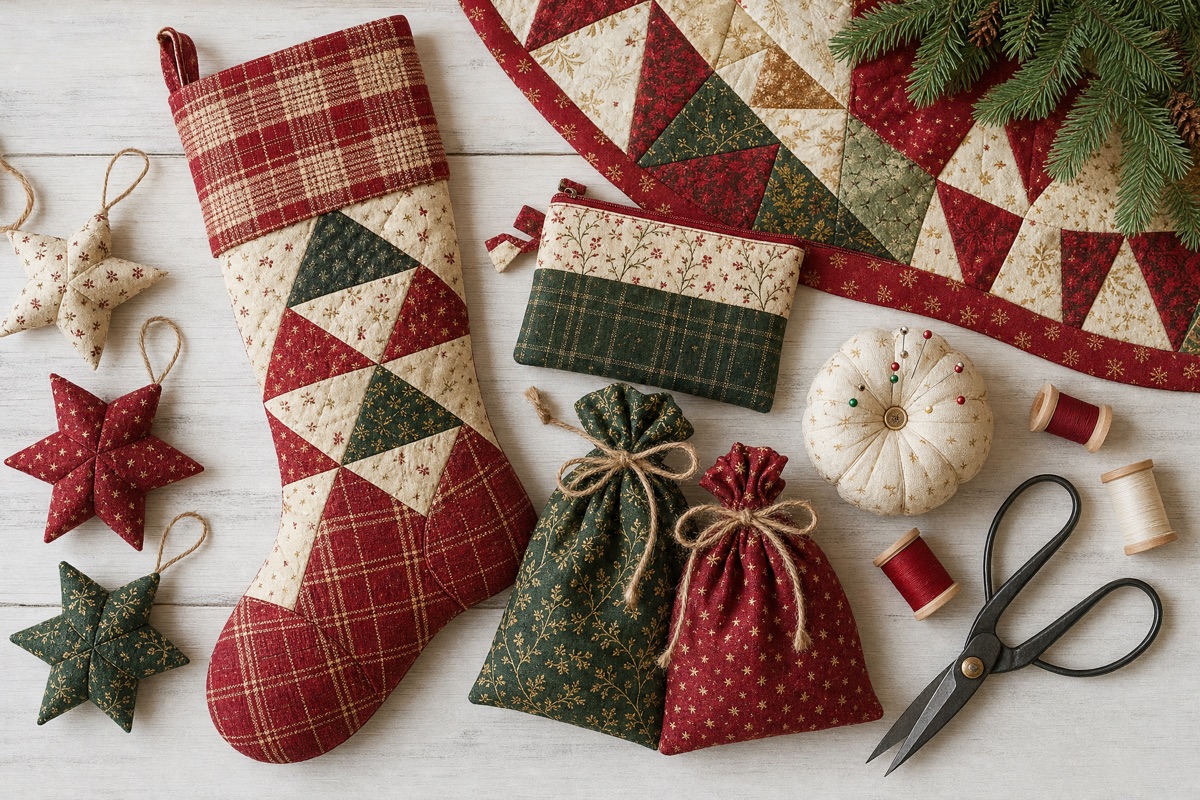
Christmas is when everyone wants to sew and nobody has time. Here are 20 free holiday patterns we checked by hand, from tree skirts and stockings to gifts you can sew in an evening.
Read more
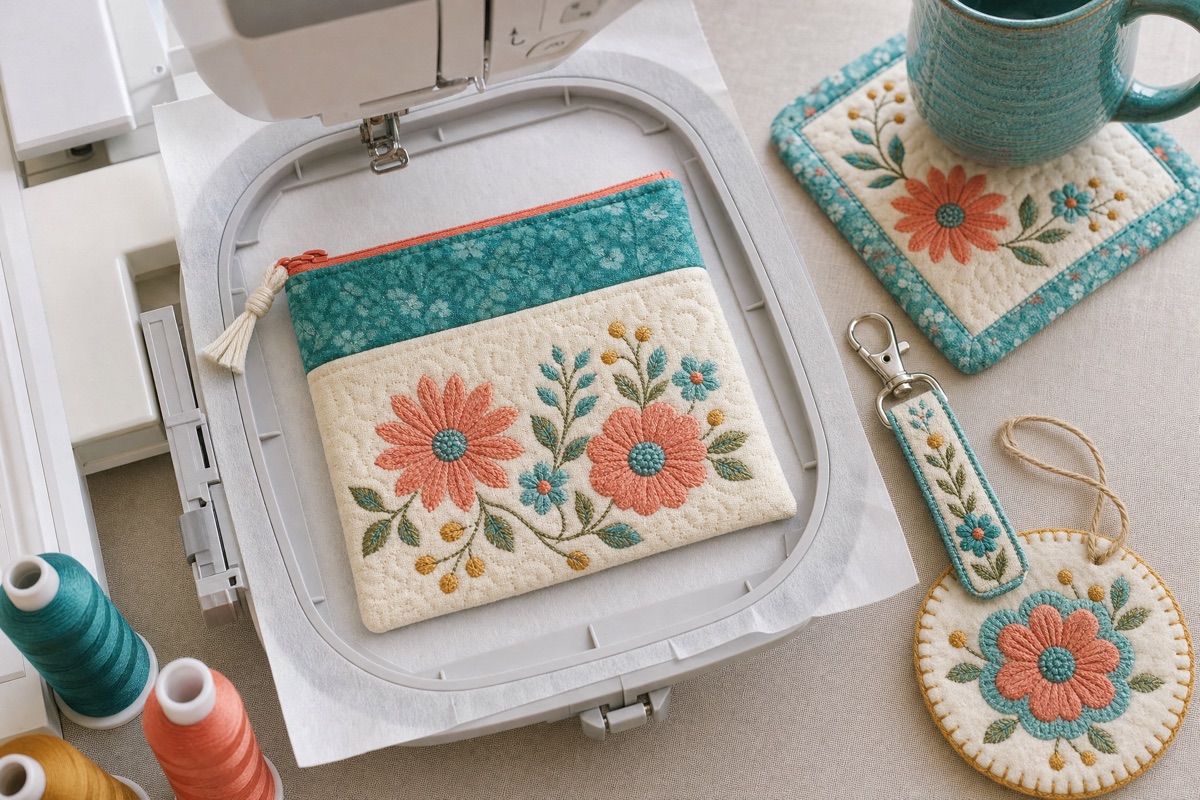
In-the-hoop projects stitch a whole finished item in your embroidery hoop: no sewing machine, often no hand sewing. Here are 16 free ones we checked, with hoop sizes and formats.
Read more
Most patterns are drafted for someone about 5'5" or 5'6". Here are 15 free patterns that are drafted taller, offer a long length or draft from your own measurements, and how to lengthen the rest.
Read more
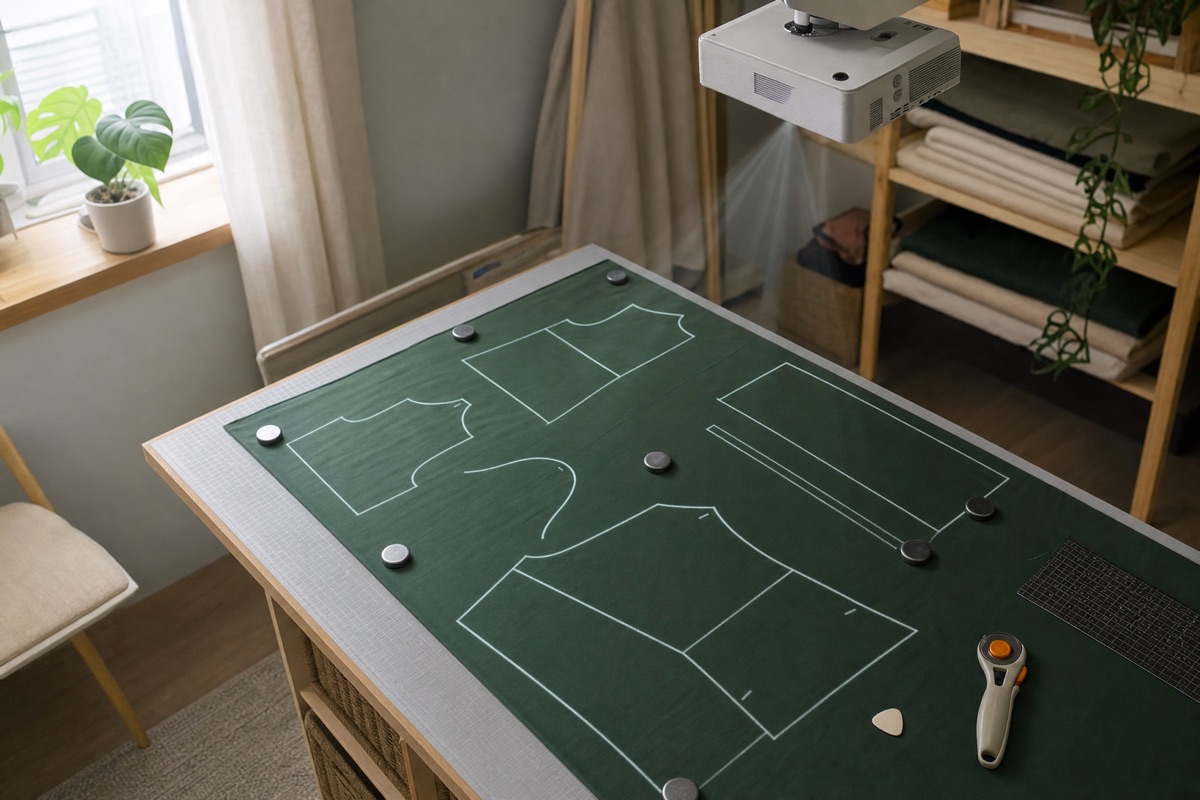
A projector saves hours of printing and taping, but most free patterns only come as print-at-home PDFs. Here are 20 free patterns whose own page says a projector file is included.
Read more
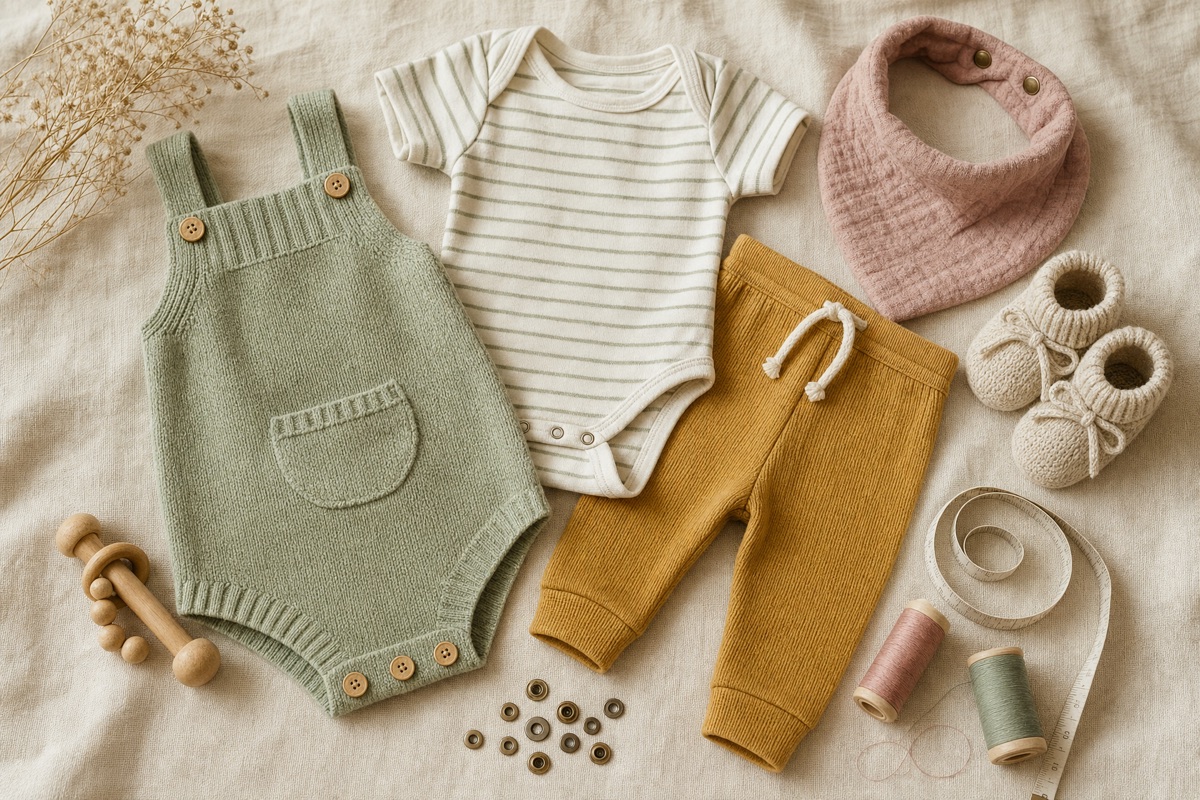
Baby clothes take an evening and a fat quarter, which makes them the best gift you can sew. Here are 18 free patterns we checked by hand, from preemie bodysuits to a swaddle blanket.
Read more
If you just learned to thread your machine, these are the projects that build real skills without ending in a tangled mess at the back of a drawer.
Read more
Not every fabric scrap deserves to be saved. Here's how to sort what you've got, the projects worth actually sewing, and the rule that stops scraps from taking over.
Read more
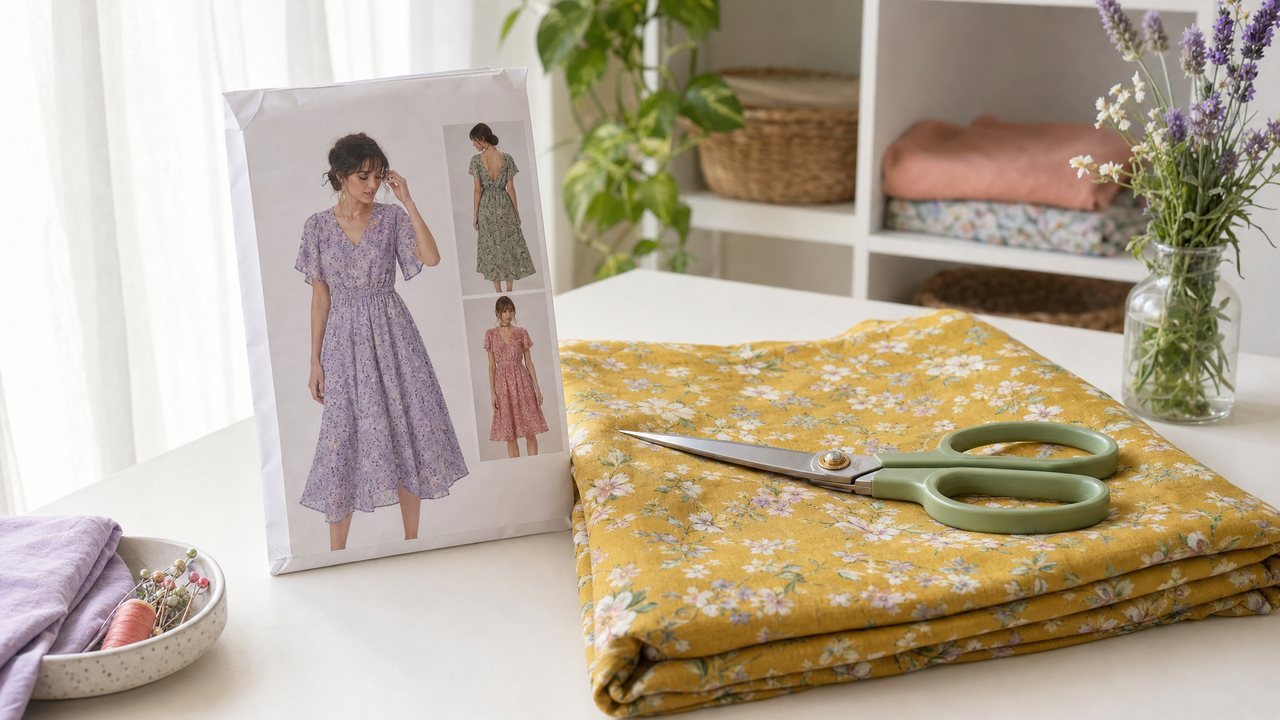
Pattern envelopes are dense with information. Once you can decode the front, the back, and the tissue pieces, the rest of sewing gets dramatically easier.
Read more
Whether you're buying fabric for a dress, a curtain panel, or a quilt back, here's the simple math that gets you to the right yardage every time.
Read more
The number one reason beginner garments fail isn't sewing skill — it's fabric choice. Here's how to match fabric to any pattern in under five minutes.
Read more
You wear a size 8 at the store, so you cut a size 8 pattern — and it comes out enormous. Here's why pattern sizing is different, and how to pick the right size every time.
Read more
If you size up just to fit your chest — and then the shoulders and neck gape — you don't need a bigger size. You need a bust adjustment. Here's how they work.
Read more
Spend three hours taping 45 pages, or $10 at the copyshop? Here's how to choose A0 vs. print-at-home and how to track what you've actually printed.
Read more
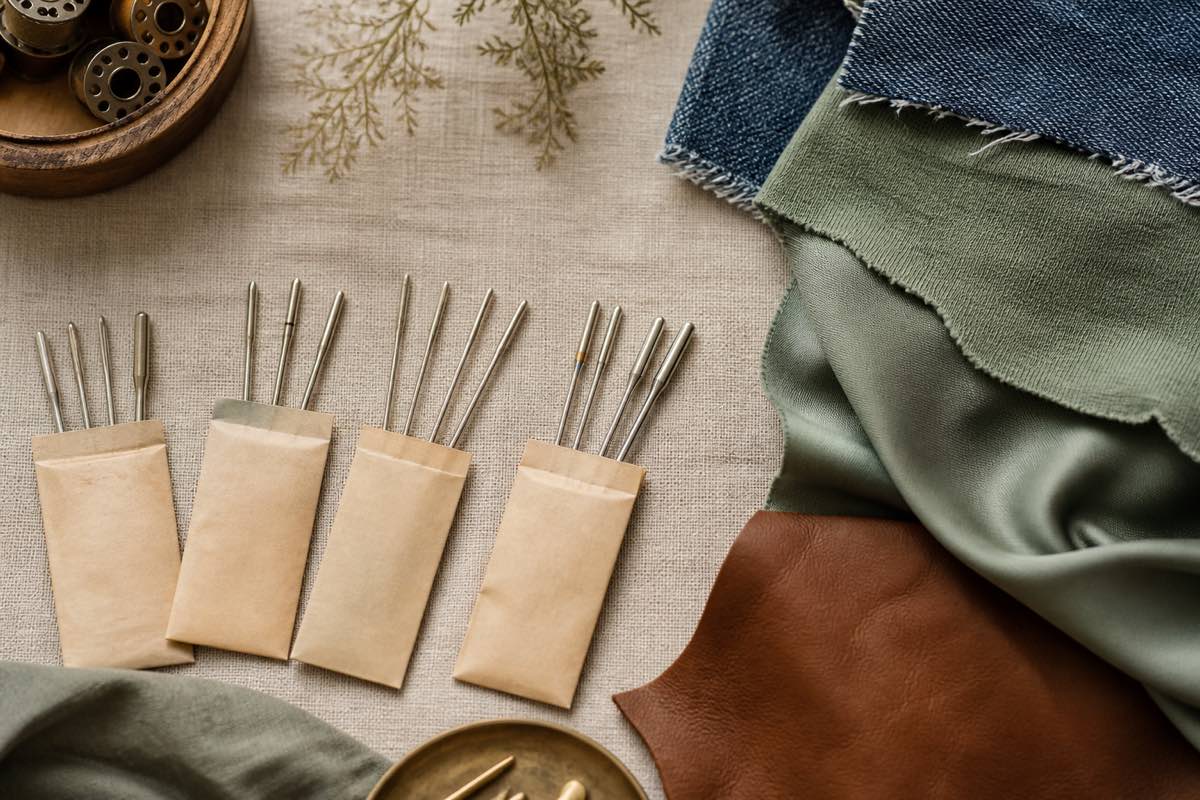
Skipped stitches on a knit? Snags on your silk? Nine times out of ten it's the needle, not your machine. Here's exactly which needle to use for every fabric.
Read more
A skipped stitch or nesting thread usually isn't a broken machine — it's a maintenance issue. Here's the daily, weekly, and yearly checklist that keeps every machine in your studio running.
Read more
That $4 thrifted dress is three sizes too big — and the perfect raw material. Refashioning is the most sustainable, beginner-friendly way to build a wardrobe you love.
Read more
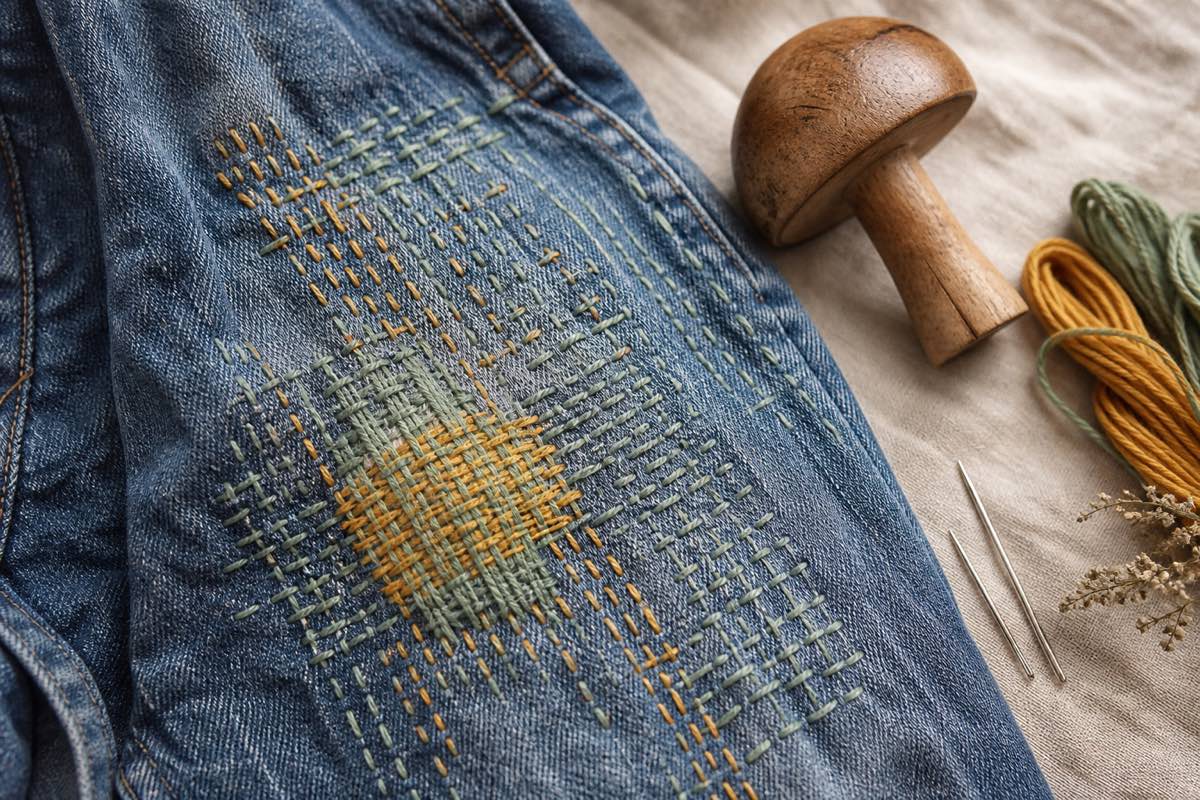
A hole in your favorite jeans isn't the end — it's a blank canvas. Visible mending is the sustainable, beginner-friendly craft of making repairs you'll want to show off.
Read more
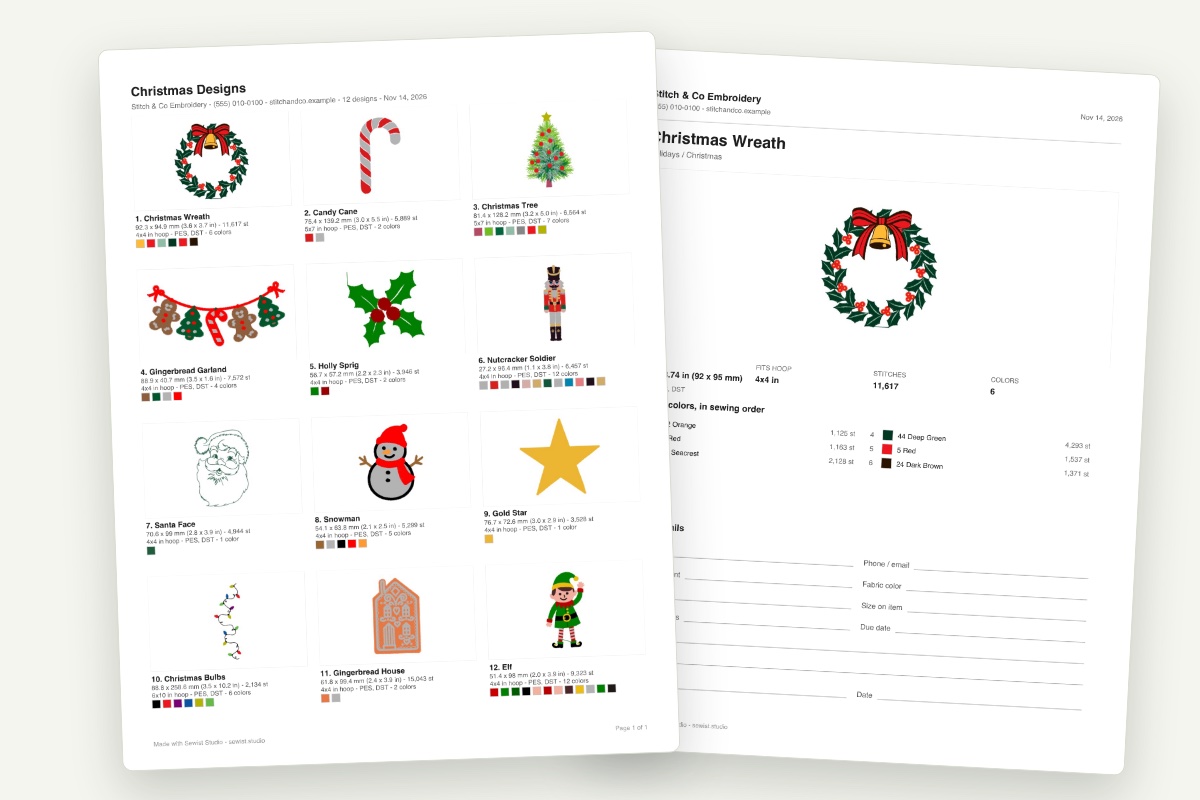
Customers can't picture a PES file. Give them a numbered menu instead: a printable catalog of your designs, plus a one-page worksheet they approve before you stitch.
Read more
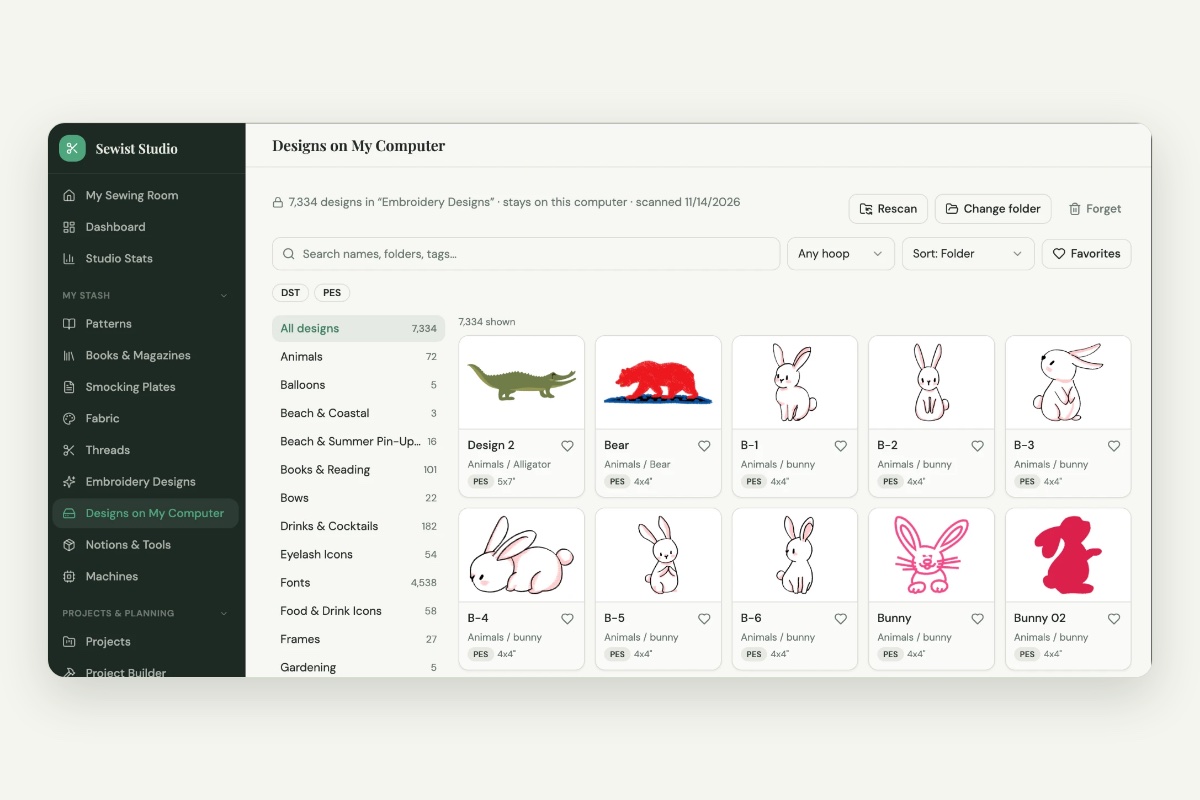
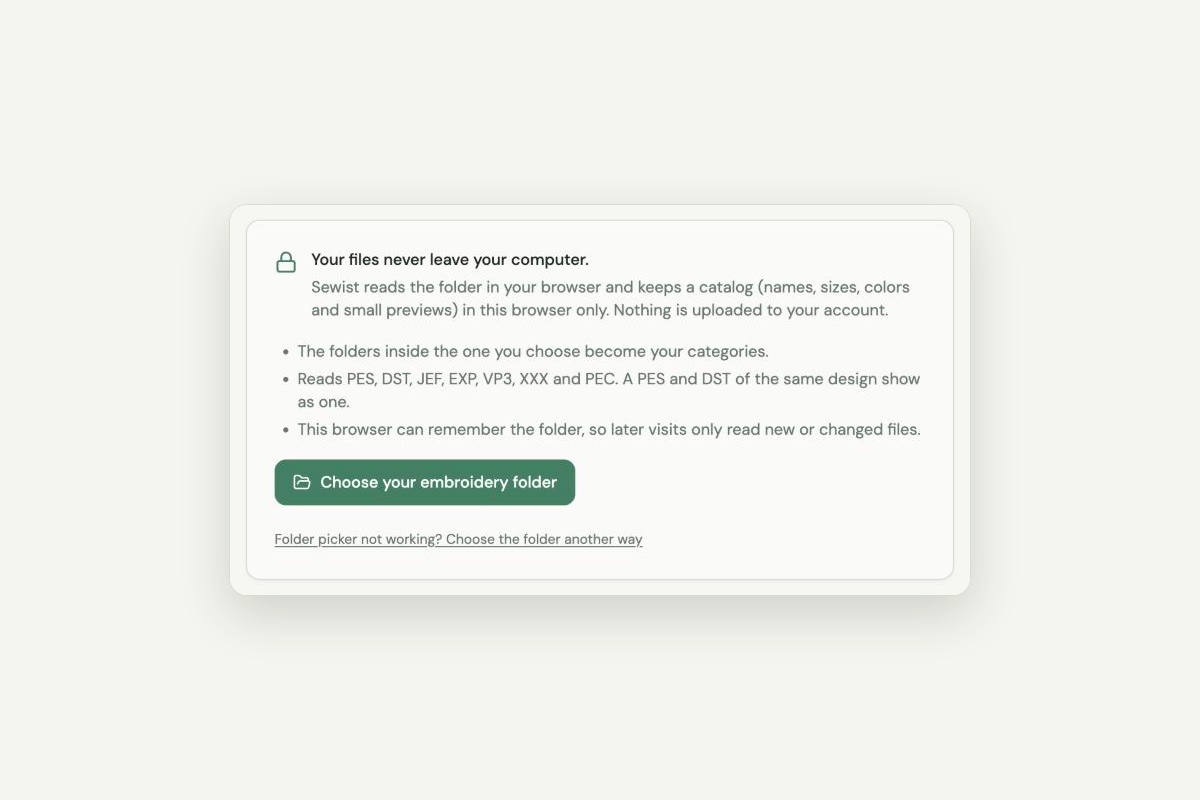
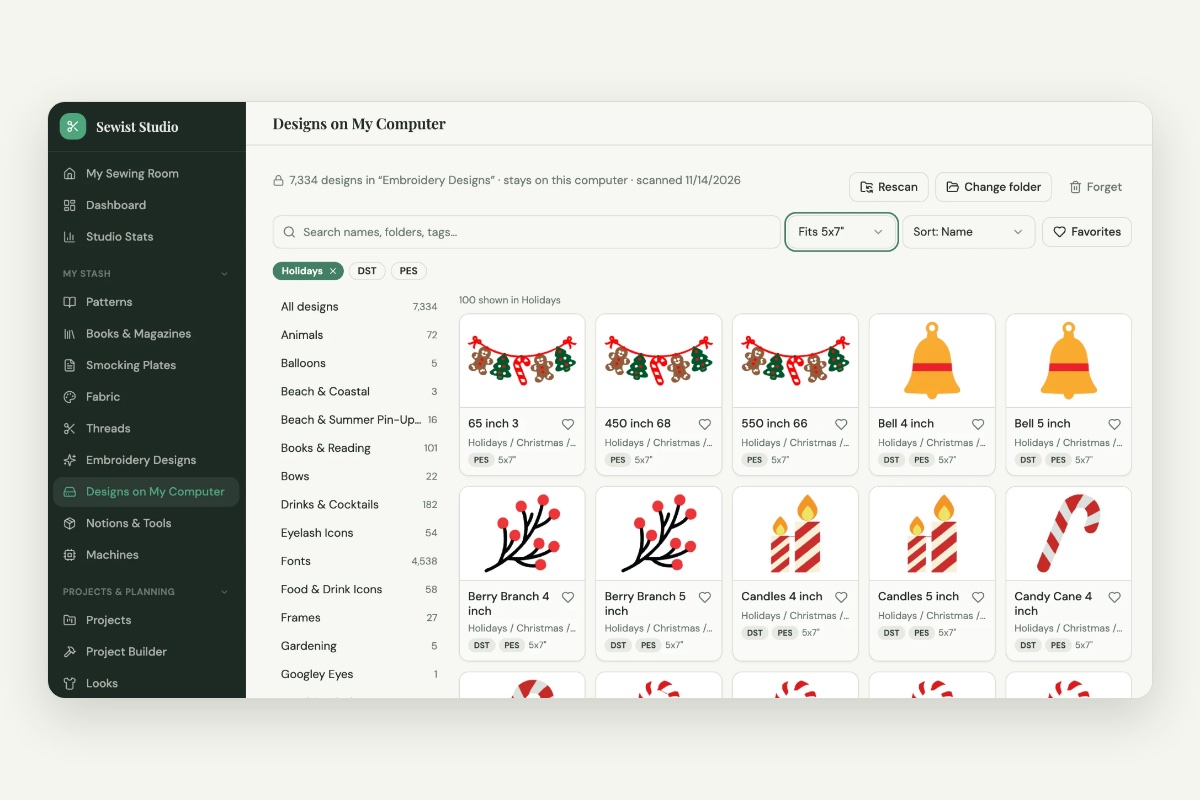
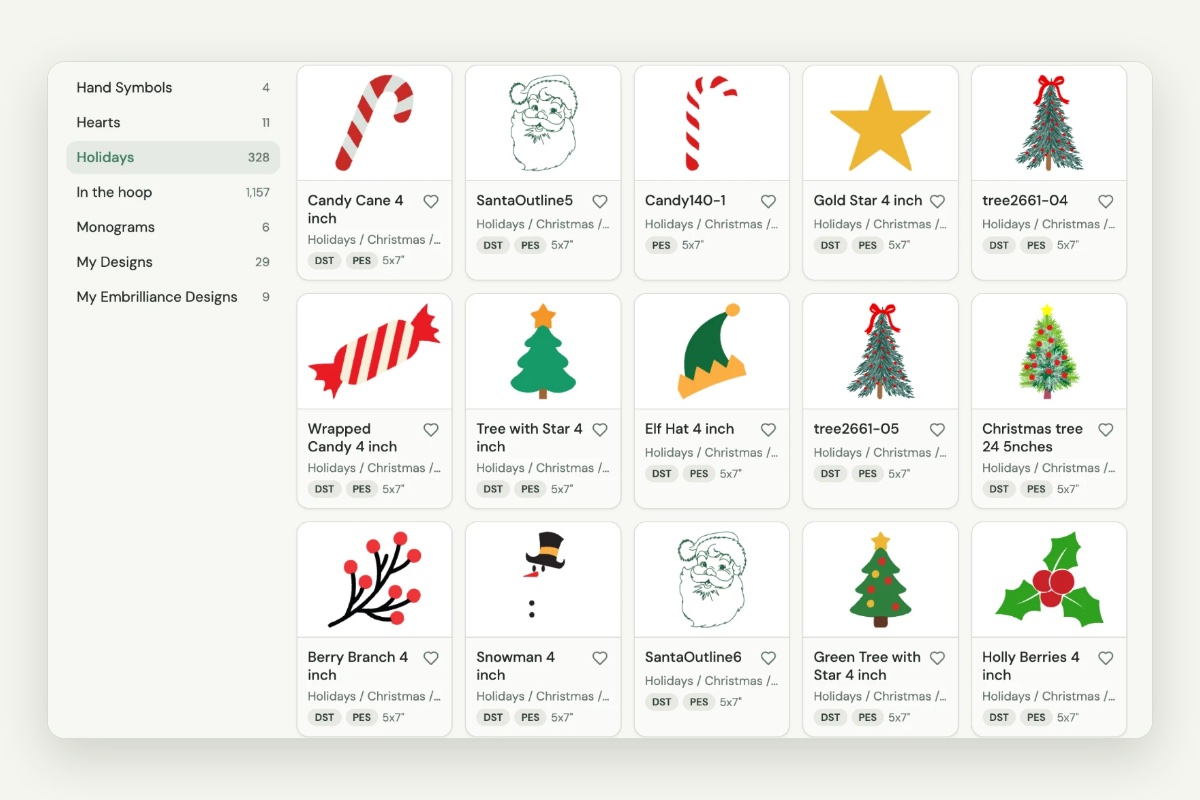
Thousands of PES and DST files in folders called "Bundle_FINAL"? Here's a folder system that scales, and how to turn it into an organized, searchable, filterable catalog.
Read more
Thumbnails, a catalog, or full editing software? We compared five ways to organize embroidery designs on Mac and Windows, with prices checked November 14, 2026.
Read more
Which of your designs actually fit the 5x7 hoop? Here are the real sewing-field sizes, why "4 inch" in a file name isn't enough, and how to filter a whole library by hoop.
Read more
Zipped, unzipped, all jumbled together in Downloads? Here's a two-minute routine for every embroidery download, plus how to rescue a folder that's already a mess.
Read more
Bought the same snowflake twice? It happens when your designs are invisible. Here's a 30-second check before every purchase and the catalog that makes it work.
Read more
Plenty of 'free beginner patterns' online turn out to be paid, or not beginner friendly. Here are 15 that are actually free, in the order a new sewist should make them.
Read more
Many 'free dress pattern' lists still point to Peppermint and Fabrics-store patterns that now cost money. Here are 15 free dresses we checked, by style.
Read more
Most free pattern lists stop at a size 20. These 13 free patterns go to about a 60 inch bust or hip, and we checked the size chart on every one.
Read more
Free vintage patterns exist, but mostly as scanned books, drafting systems and museum patterns rather than ready-to-print PDFs. Here are 12 legal sources and how to use them.
Read more
You spent hours sewing a dress, washed it once, and it shrank two sizes. Pre-washing your fabric first prevents this heartbreak — here's exactly how, by fiber.
Read more
A closet full of handmade clothes that don't go together is its own kind of frustration. A capsule wardrobe fixes that — and you can sew most of it from your stash.
Read more
Every sewist eventually hits the wall called 'pants.' They're not actually harder to sew — they're harder to fit. Here's how to get over the fear and get a good fit.
Read more
You don't need the exact pattern to recreate a garment you love — you need its pieces. Here's how to deconstruct a look into pattern components and preview it in your own fabric before you cut.
Read more
That $2 vintage floral bed sheet is yards of pre-washed cotton waiting to become a dress. Here's how to turn thrifted sheets, tablecloths, and curtains into clothes you'll wear.
Read more
Once you start sewing with upcycled fabric, the whole world looks like a fabric store. Here's where to actually find the good stuff — and what to grab in each spot.
Read more
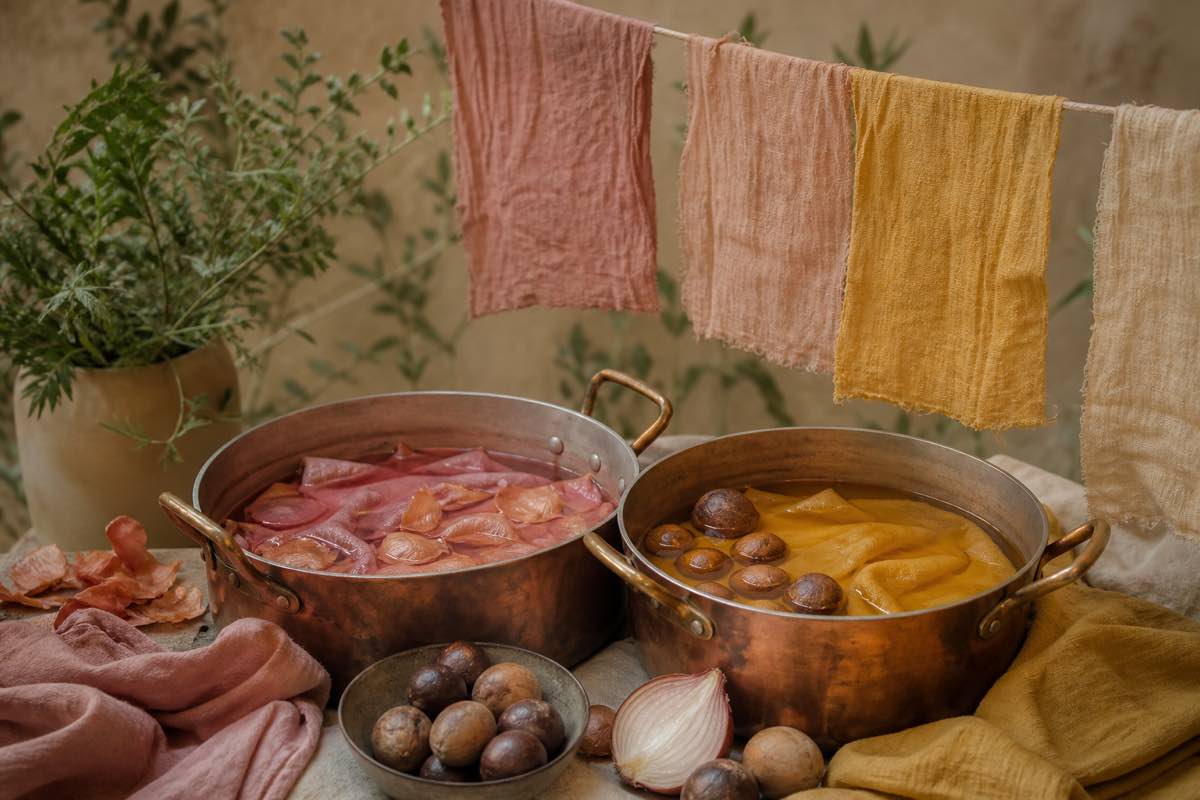
That dingy thrifted sheet or coffee-stained tablecloth isn't ruined — it's a blank canvas. Natural dyeing with avocado pits and onion skins gives upcycled fabric a whole new life.
Read more
Sewing has a reputation for being expensive — but it's one of the cheapest ways to get unique clothes if you start smart. Here's how to begin for almost nothing.
Read more
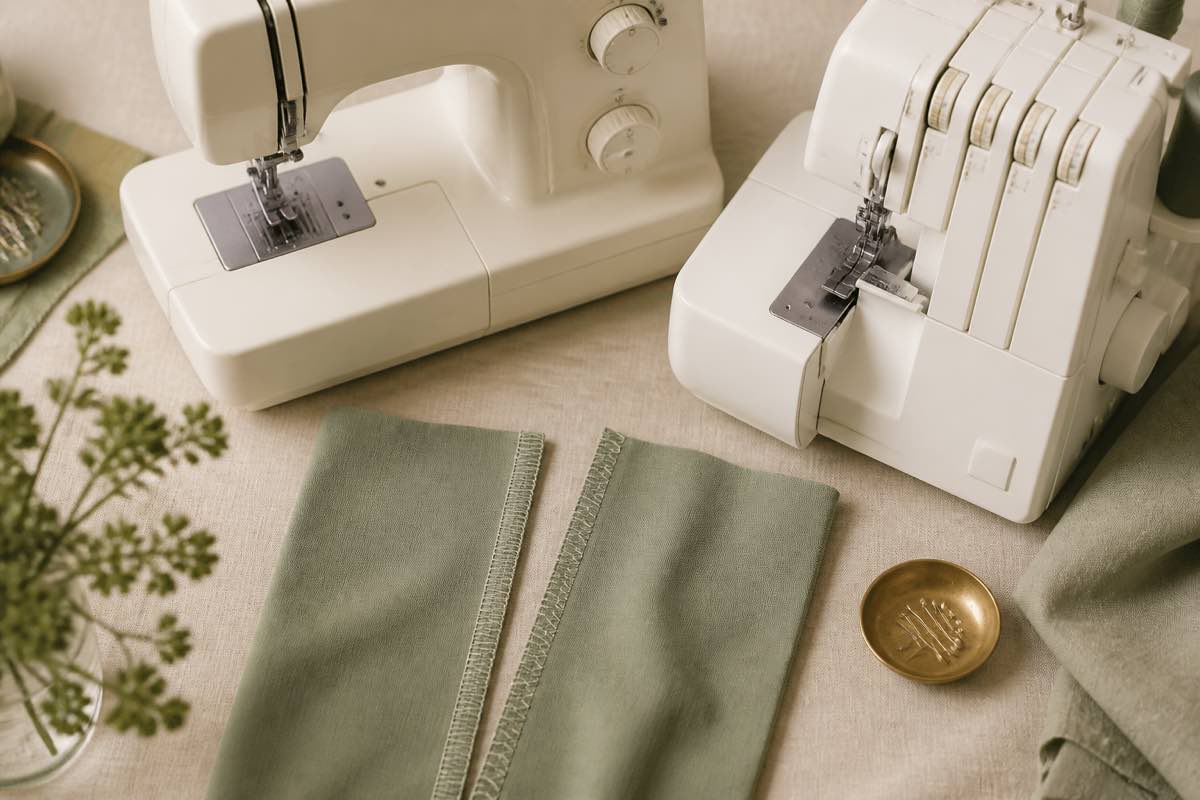
Every beginner eventually asks: do I need a serger? The honest answer is no — here's how to get clean, professional seams on a regular machine, and when an overlocker is actually worth it.
Read more
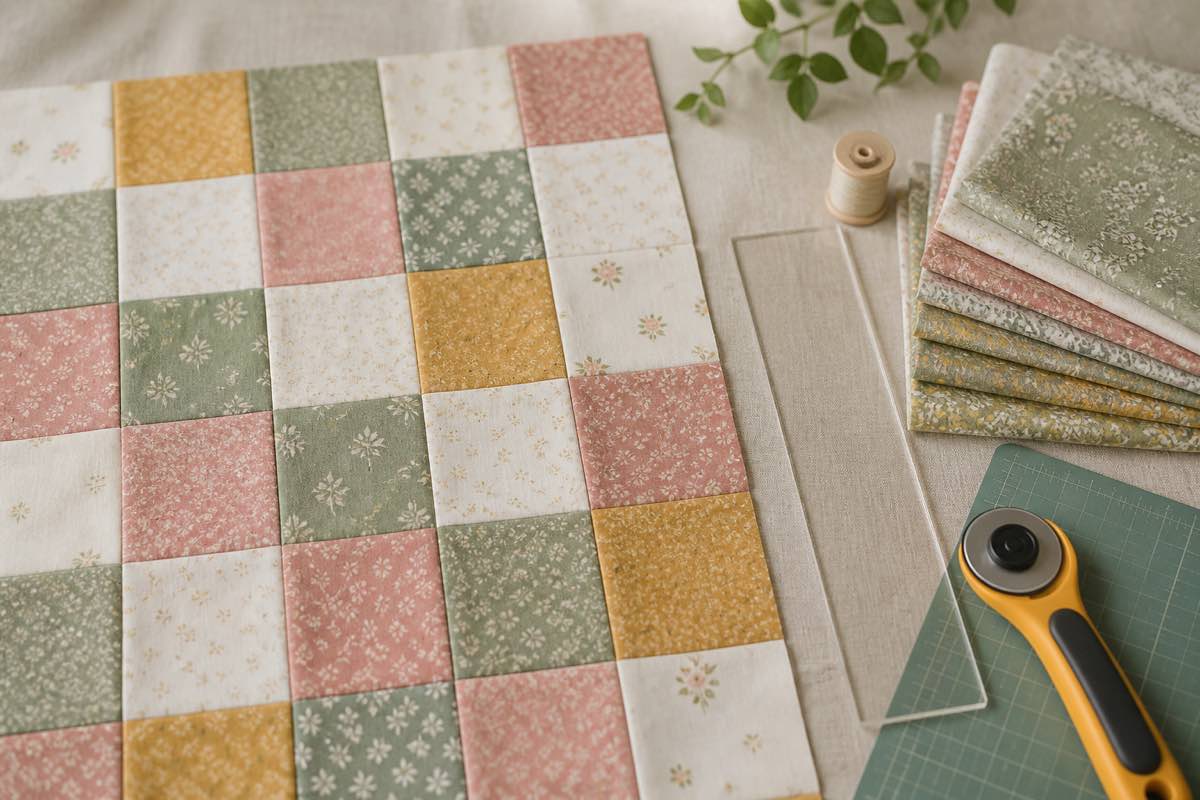
A quilt looks intimidating, but it's really just squares of fabric sewn together, layered with batting, and finished at the edges. Here's the whole process for your first one.
Read more
A fabric's fiber content tells you how it'll sew, drape, and wash. Here's how to read the label — and how to identify that mystery thrifted fabric with no tag at all.
Read more
A finished garment that almost fits is the most frustrating result in sewing. Here's how to diagnose and fix the most common fit problems — neckline gape, tight sleeves, and the wrinkles that tell you what's wrong.
Read more
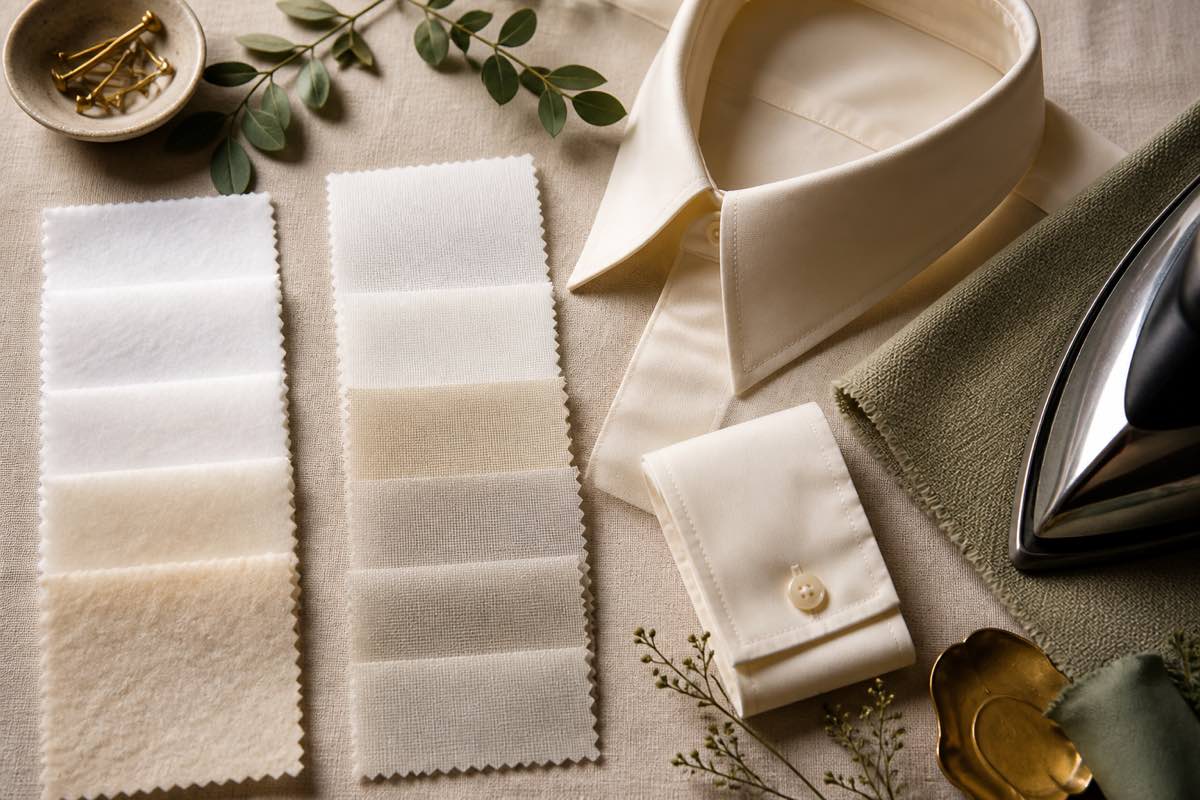
Interfacing is the invisible layer that makes collars crisp, waistbands sturdy, and buttonholes survive. Here's what it is, which type to use, and how to stop guessing.
Read more
Your design is a .PES and your machine wants .DST, or the other way around. Here's how to convert embroidery files, and what actually changes when you do.
Read more
Downloaded a design and your computer has no idea what a .JEF or .VP3 is? Here's which machine each format belongs to and the free ways to open them.
Read more
Free machine embroidery designs are everywhere, but plenty of 'free' pages need a paid club. Here are 16 sources we checked, with what's free and what the catch is.
Read more
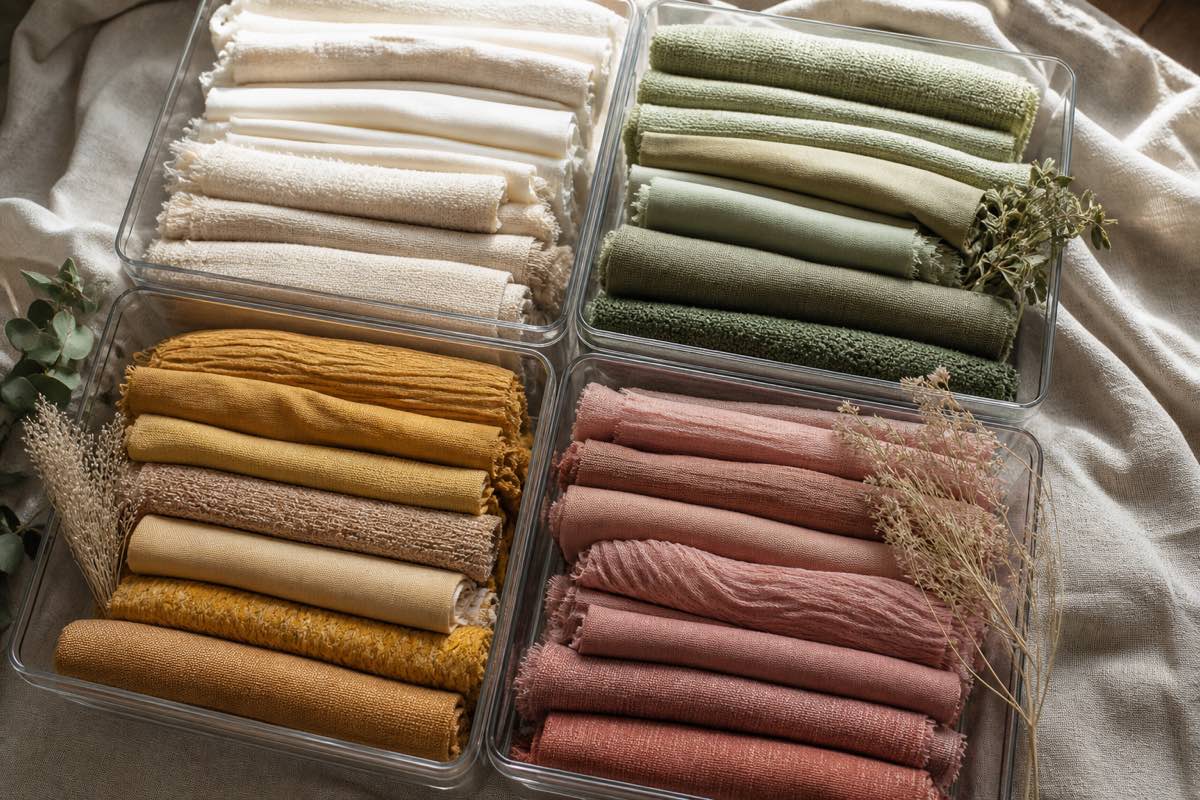
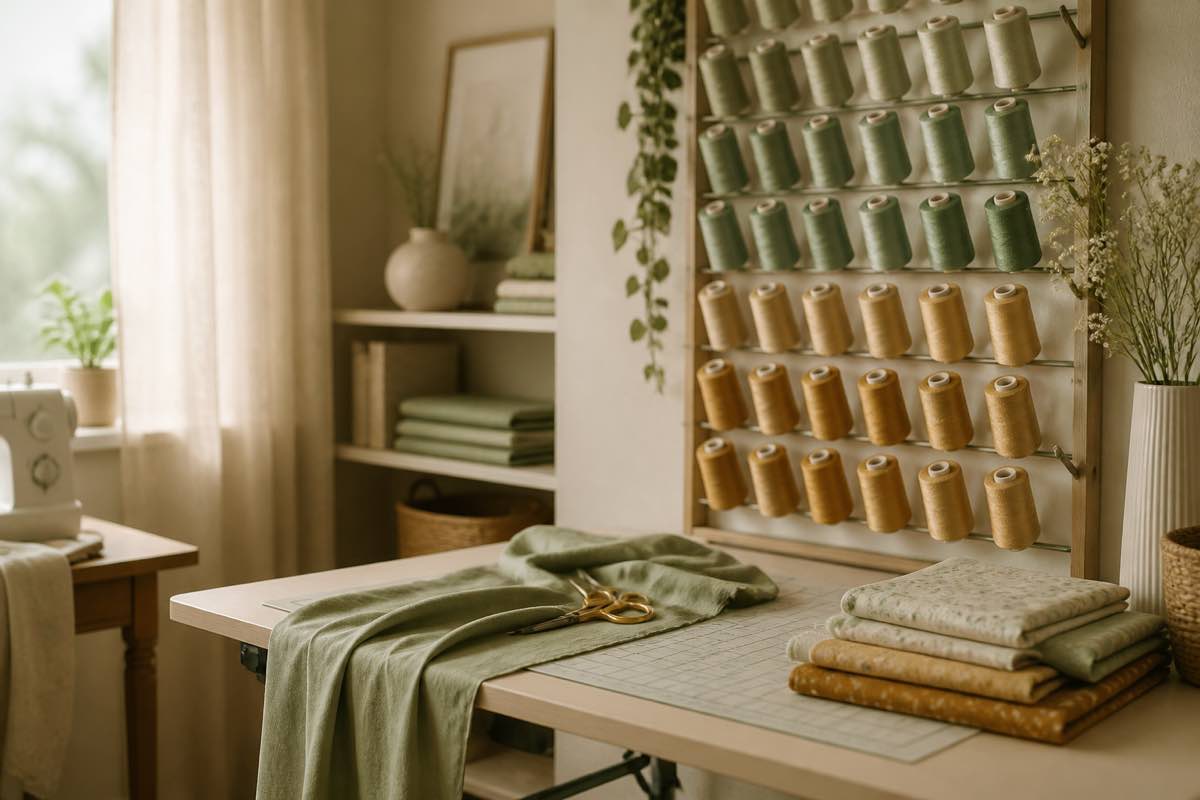
A 7-bin color-family system that makes fabric shopping (yours) actually fun.
Read more
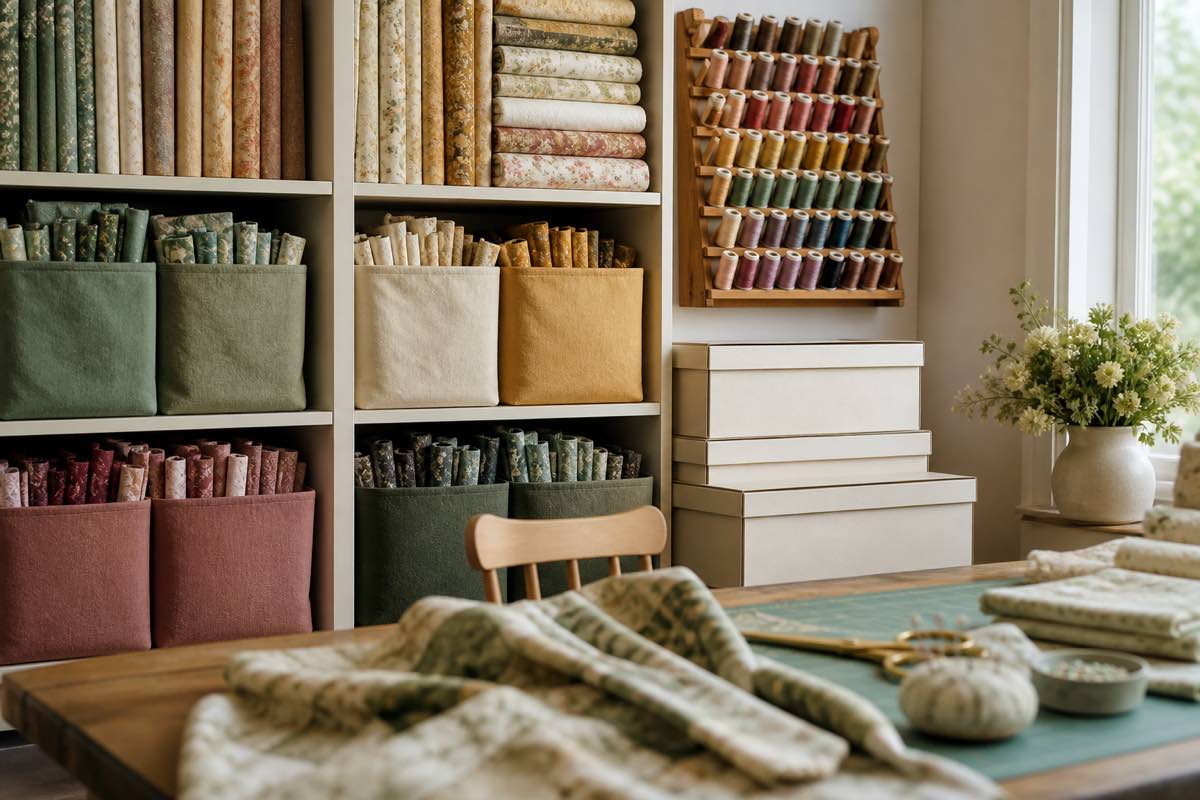
Layout, storage, and cataloging tricks that turn a closet or corner into a real sewing room.
Read more
The category-by-category storage playbook — fabric bins, pattern boxes, thread racks, notion drawers.
Read more
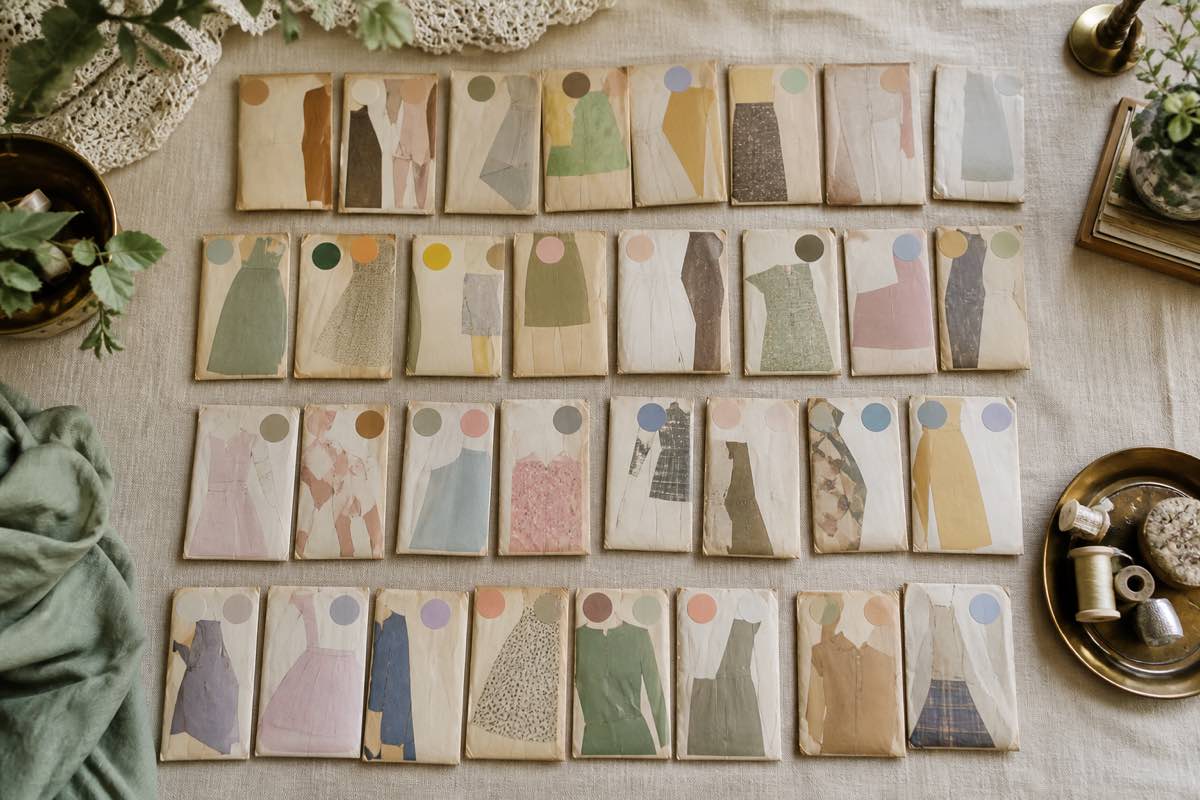
The eras, brands, condition grades, and cataloging system every vintage pattern collector needs.
Read more
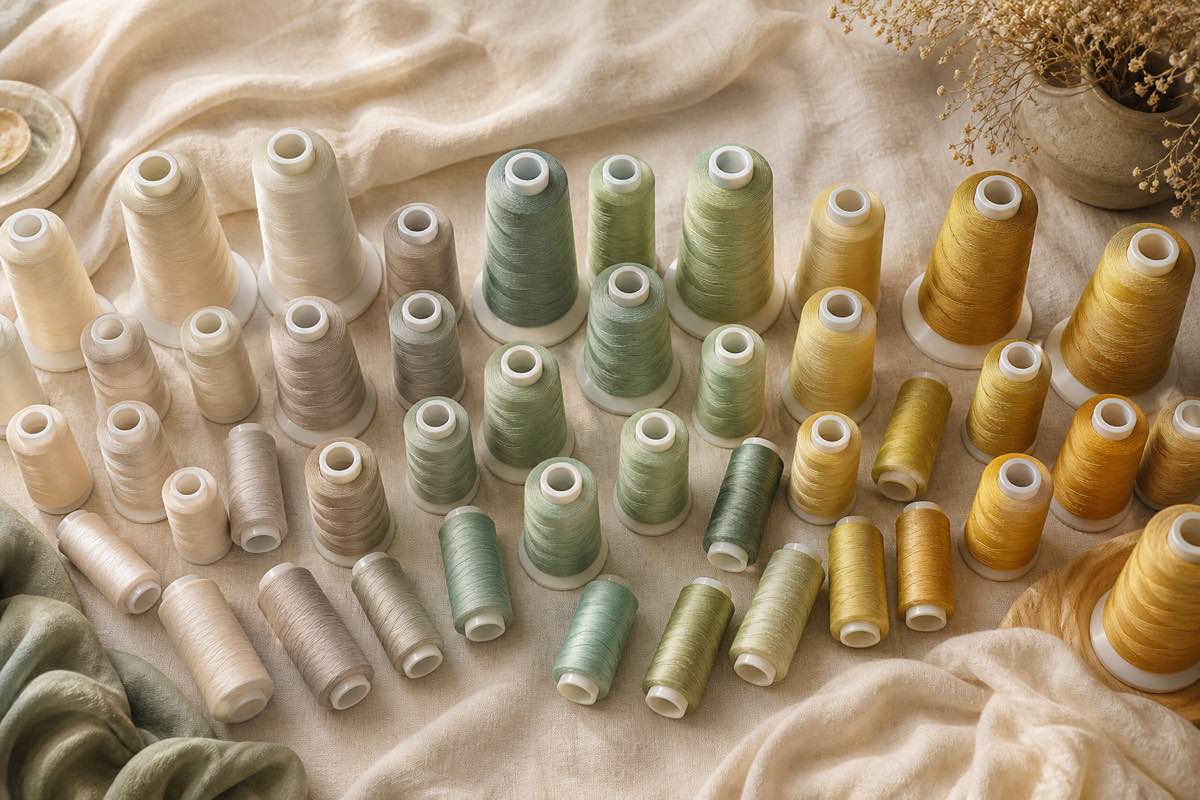
A 6-step system for cataloging thread by fiber, weight, and color code so you stop buying duplicates.
Read more
A 40-item checklist plus a cataloging system that stops duplicate notion buys.
Read more
Per-machine inventory that stops wrong-fit accessory buys and forgotten maintenance.
Read more
Both have kanban boards. Only one has a fabric database, AI photo scanner, and yardage math built in.
Read more
Notion asks you to build a sewing app. Sewist Studio ships one.
Read more
Airtable makes you build a sewing app. Sewist Studio is one. Here's the head-to-head.
Read more
Evernote is a photo dump. Sewist Studio is a searchable structured database. Here's when to switch.
Read more
The universal smocking plate symbol key — dots, arrows, cables, waves — bookmark this for every smocking project.
Read more
Loose pleats one row, tight pleats the next? The three tension fixes that solve 95% of pleater problems.
Read more
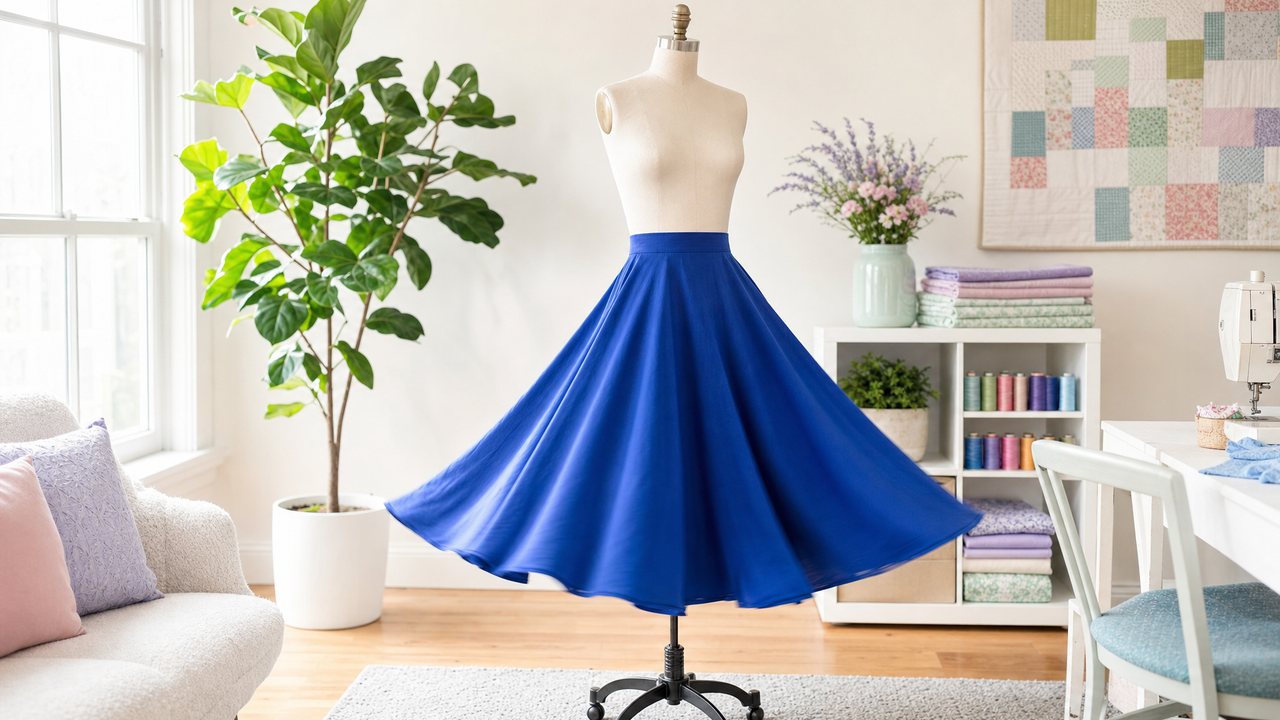
Circle skirts look simple until you try to buy fabric for one. Here's the radius math that gets you the right yardage the first time — plus a free calculator that does it for you.
Read more
"Does this fabric have enough stretch?" is the question that ruins more knit projects than any other. Here's the 30-second test that answers it for certain.
Read more
Pattern says meters, your fabric store sells by the yard, and your tape measure is in inches. Here's the exact math to convert between them — and why 'close enough' rounding costs you fabric.
Read more
Tiny babies need tiny, soft clothes, and many hospitals rely on sewists to make them. Here's what NICUs ask for, which fabrics work, and how to sew donations they can actually use.
Read moreWe use cookies for anonymized analytics to improve Sewist Studio. See our Privacy Policy.