"What Should I Sew With This?" — How to Plan Projects From Fabric You Already Own
You bought the fabric. You love the fabric. You've been staring at the fabric for six months. Here's the framework that gets it off the shelf and onto your body.
The most common question in sewing
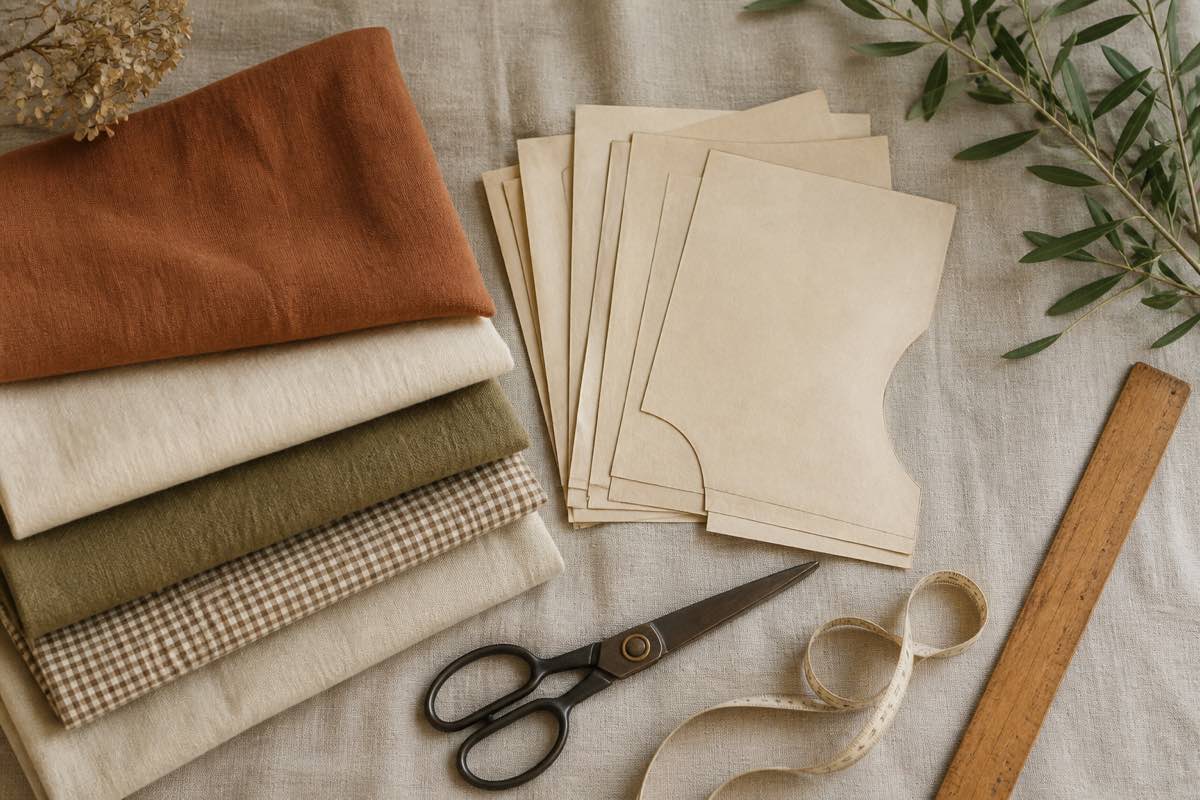
If you've ever stood in front of your fabric stash holding a piece you love and thought "...but what would I even sew with this?" — you are not alone. It is the single most asked question in every sewing Facebook group, Reddit thread, and Instagram DM. It's the question that keeps gorgeous fabric on the shelf for years.
The reason it's so hard isn't taste — it's that there are four variables to match (weight, drape, stretch, yardage) and most sewists hold all of them in their head. Here's the framework that gets it onto your cutting table this weekend.
Step 1: Identify the fabric properly
Before you can pick a pattern, you need to know what you've actually got. Four traits matter:
Weight
- Lightweight (under 4 oz/yd): voile, lawn, batiste, chiffon, fine silk → blouses, full skirts, linings
- Medium (4–8 oz/yd): quilting cotton, poplin, chambray, light linen → A-line skirts, simple dresses, shirts
- Bottomweight (8–12 oz/yd): denim, twill, canvas, heavy linen → pants, jackets, bags, structured skirts
- Heavyweight (12+ oz/yd): wool coating, melton, upholstery → coats, jackets, home goods
Drape
Hold the fabric over the edge of a table. Does it fall in soft folds (drapey) or stick out like a board (crisp)? Drapey fabrics want gathered, bias-cut, or flowy patterns. Crisp fabrics want structured, pleated, or tailored patterns.
Stretch
Stretches in one direction (knit, jersey), both directions (4-way stretch), or not at all (woven)? Knit patterns and woven patterns are not interchangeable — a woven dress in jersey will be too tight, a knit top in poplin will be too stiff.
Yardage
How much you have, and at what width. A 1.5-yard remnant at 45" wide is enough for a child's dress or a top, not a maxi skirt. Always check both numbers — our guide on how to measure fabric yardage walks through this.
Step 2: Match the fabric to a pattern category
Once you know what the fabric is, you've narrowed the pattern universe enormously. Some quick rules of thumb:
- Drapey light woven (rayon challis, viscose, silk): wrap dresses, gathered tops, midi skirts with elastic waists, wide-leg pants
- Crisp light woven (cotton lawn, poplin): button-up shirts, A-line skirts, structured dresses
- Medium woven (quilting cotton, chambray, linen): day dresses, simple skirts, kids' clothes, tote bags, aprons
- Bottomweight woven (denim, twill, canvas): trousers, jeans, structured jackets, bags, work aprons
- Knit/jersey: t-shirts, leggings, knit dresses, sweatshirts (look for patterns explicitly marked for knits)
- Stretch woven (cotton sateen with spandex, stretch denim): fitted skirts, tailored pants, fitted dresses
Match the fabric to the category first, then pick a specific pattern from the patterns you already own in that category. Trying to pick the perfect pattern straight from a stash piece is decision paralysis — going category-first is what unblocks you.
Step 3: Sanity-check yardage and pre-wash
Once you've picked a pattern candidate:
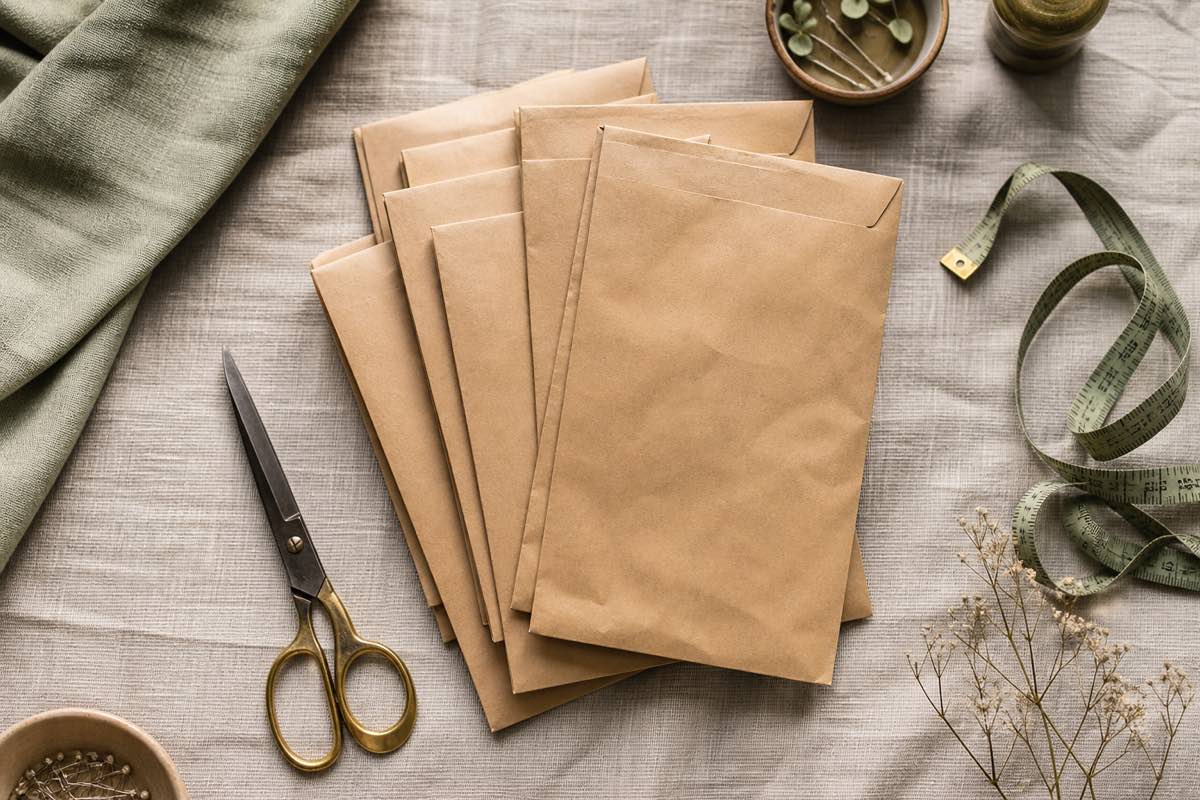
1. Open the pattern envelope and find your size's yardage requirement at your fabric's width.
2. Compare to what you have. Add 10% if your fabric has a directional print or nap.
3. Pre-wash now, before you commit further. Fabric shrinks 3–8%. If you only had 2 yards and you needed 2 yards, after pre-wash you'll have 1.85 yards and a problem.
If you can't read the pattern envelope easily, our beginner's guide to reading a sewing pattern covers every section in plain English.
Step 4: Let the AI do the matching
The framework above works — but it only works if you do it every time, for every piece. That's exhausting, which is why most fabric stays on the shelf.
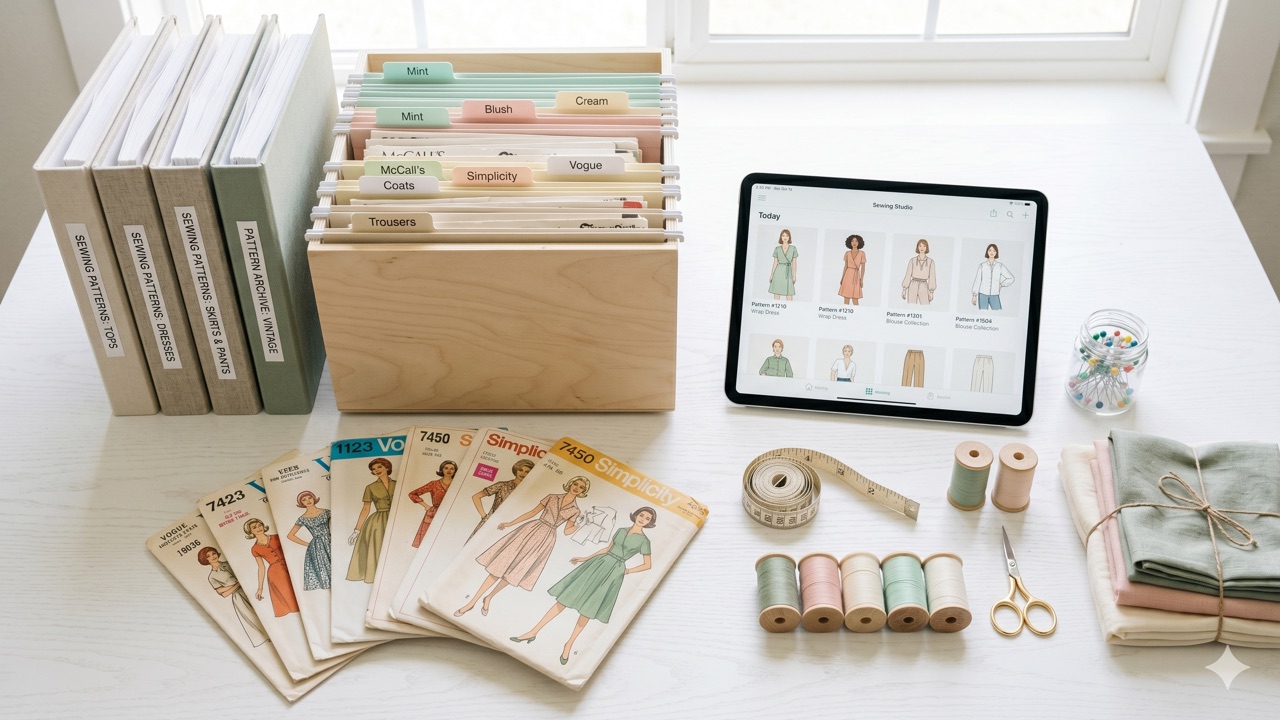
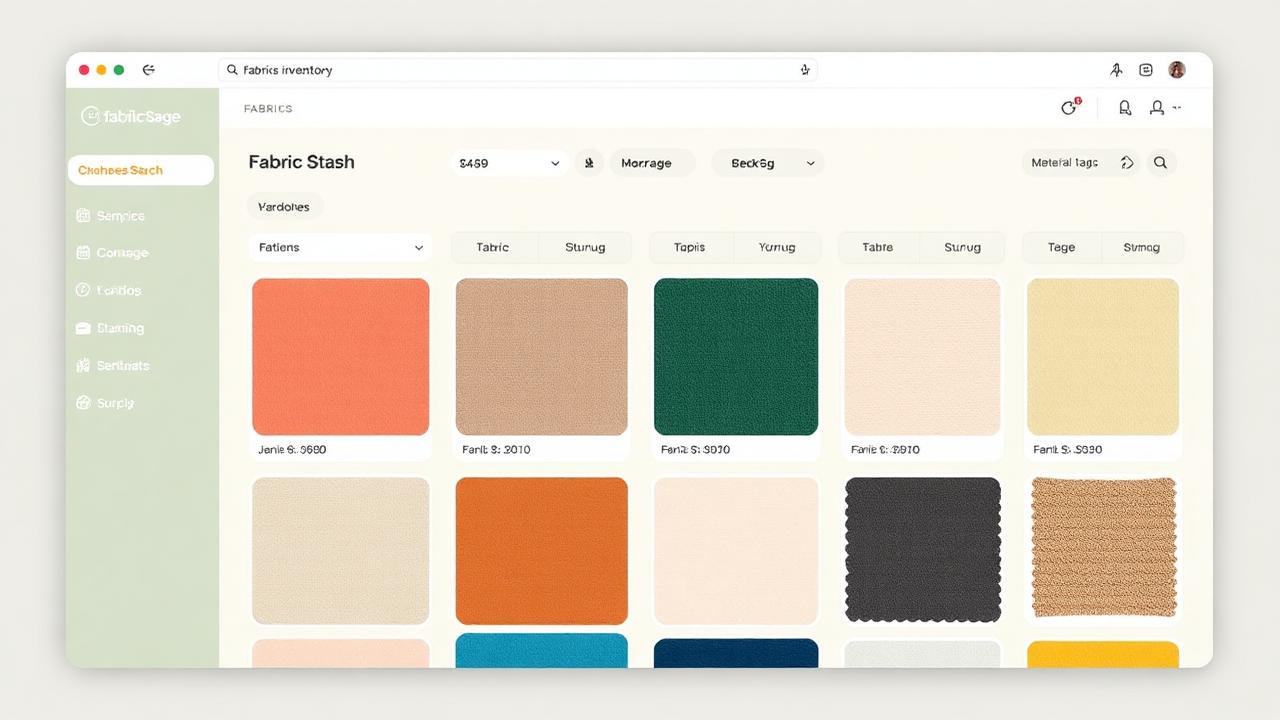
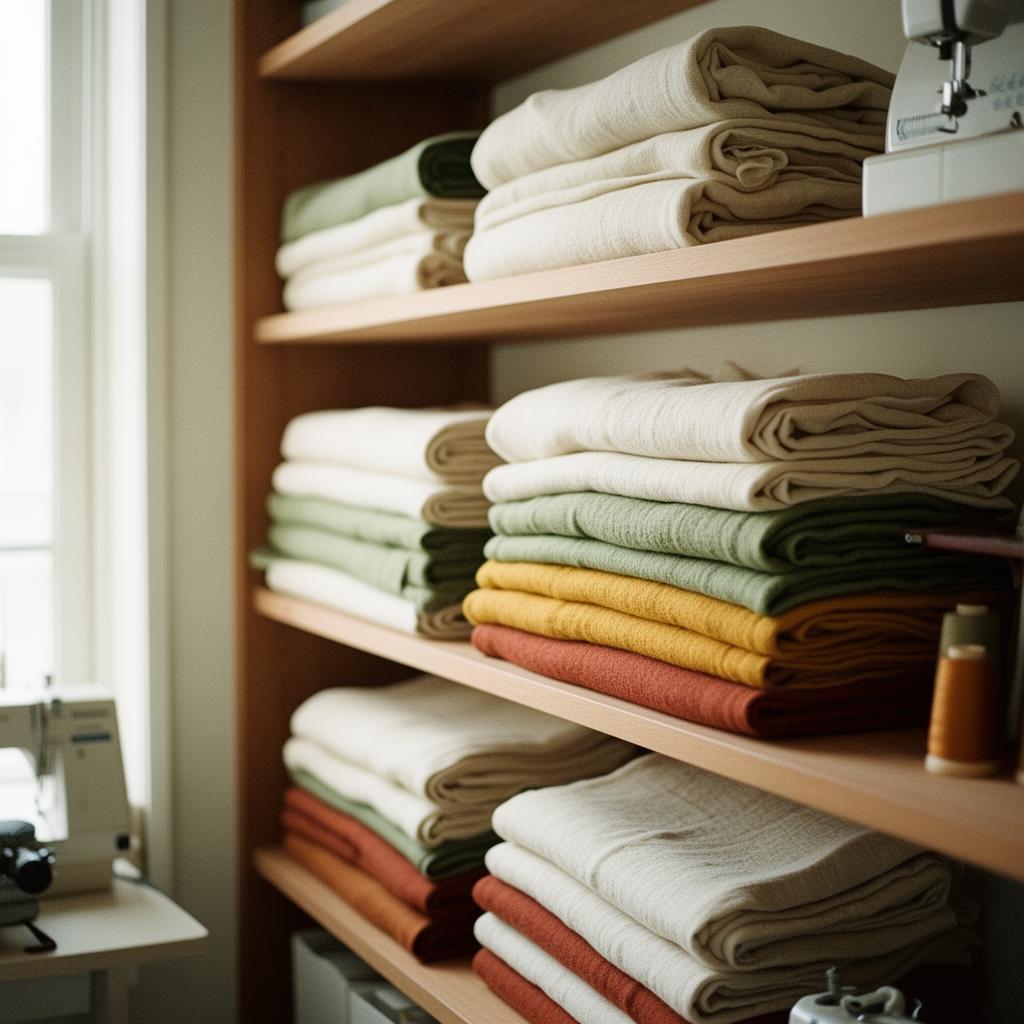
The faster path: catalog your stash once with weight, drape, fiber, and dimensions. Catalog your patterns once with their fabric requirements. Then the matching becomes a database query — and AI can do it in two seconds per fabric.
Sewist Studio's fabric stash organizer records each cut's traits in about 30 seconds (photo + dropdowns). Its pattern scanner catalogs envelopes the same way. After one weekend of setup, the planner can tap any fabric and immediately surface every pattern you own that matches.
How the Fabric-to-Pattern AI works
Click any fabric in your stash. The AI:
1. Reads the fabric's weight, drape, stretch, fiber, and yardage from your catalog.
2. Filters your pattern library to only patterns whose recommended fabrics match.
3. Cross-checks yardage requirements at your fabric's width.
4. Returns a ranked shortlist with confidence scores.
No more "I think this would be cute as a dress?" guessing. The result is a real shortlist, ranked by fit, drawn only from patterns you already own.
The output even gets nicer: the Fabric-to-Pattern AI tool can also propose silhouettes you don't yet own a pattern for — useful when you've got a stunning piece and your library doesn't have the right match yet.
What to do when nothing matches
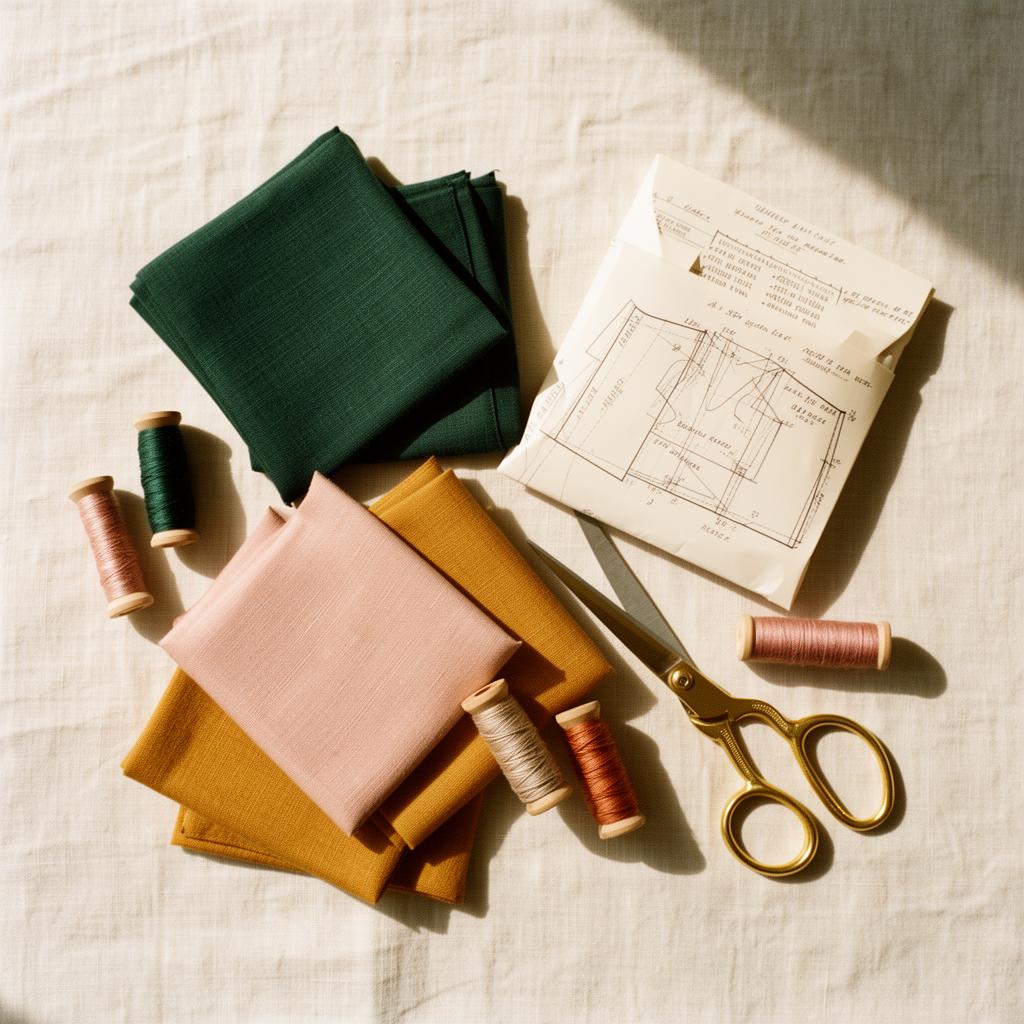
Sometimes a fabric just doesn't fit any pattern you own. That's fine, and it's useful information:
- Add the missing pattern to a wishlist (the planner has one built in) rather than buying impulsively.
- Consider destashing the fabric — if it doesn't match anything you own and you've held it 18 months, it's probably not your taste anymore. The declutter framework walks through the let-go decision.
- Repurpose it — a small piece can become a pocket, a contrast yoke, or a lining for the next project.
The shift this creates
Most sewists buy fabric, then try to figure out what to make. A cataloged stash + AI matching flips it: you walk into the studio knowing what you can make today, and you sew. The "what should I make with this?" question stops being a 20-minute spiral and starts being a 5-second tap.
That's the entire reason Sewist Studio exists.
Ready to stop staring at fabric and start sewing it? Start a free Sewist Studio account, catalog a few cuts, and tap one. The AI will show you exactly what to make.