How to Use AI to Plan a Sewing Project From Your Fabric Stash
Stop staring at your stash wondering what to make. Here's exactly how to use AI to turn your existing fabric into a queued-up project list — with prompts you can copy.
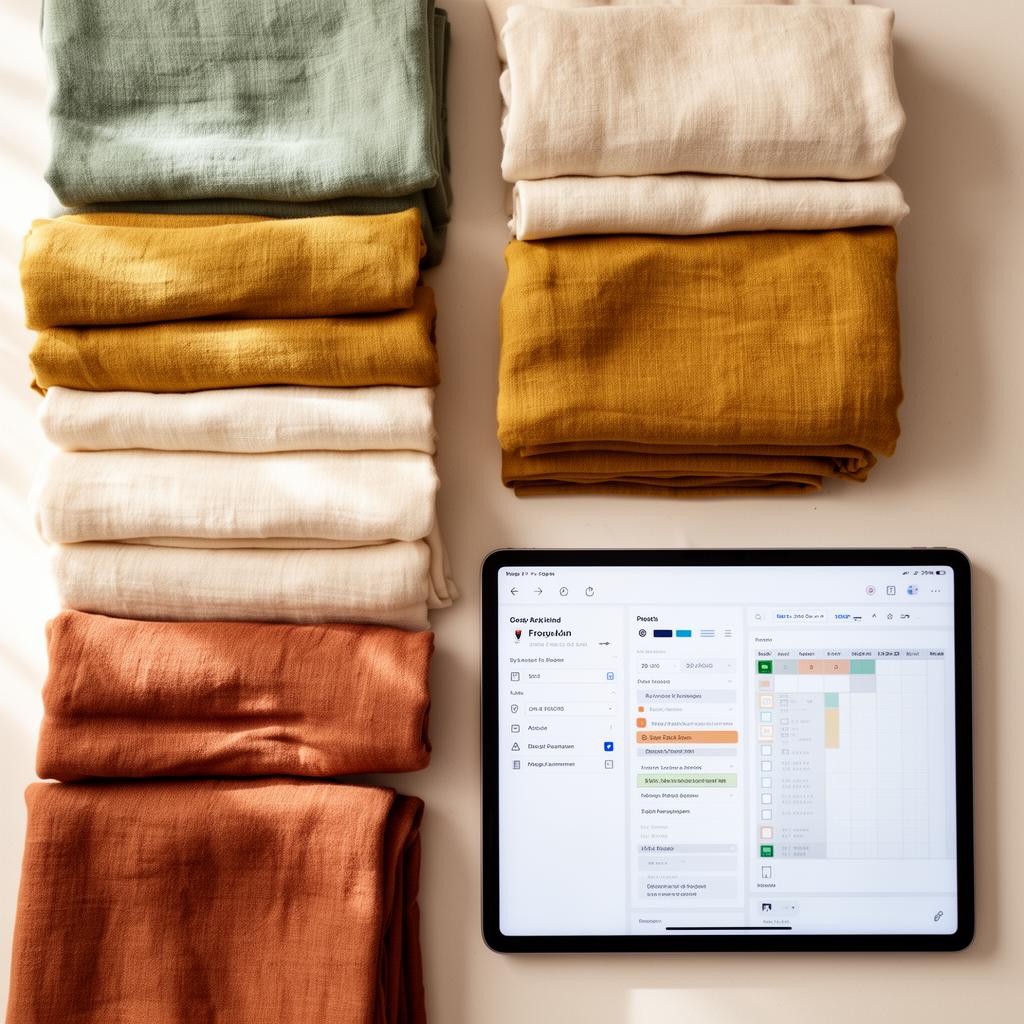
TL;DR. You can use AI in two ways to plan a sewing project from your stash: (1) prompt ChatGPT or Claude with a structured description of your fabric and ask for ideas, or (2) use a dedicated sewing app like Sewist Studio's Stash Planner that already knows what you own. This guide shows both — with copy-paste prompts.
Why "what should I sew?" is the hardest question
Most sewists have more fabric than time. The bottleneck isn't ideas — it's matching the right fabric to the right pattern at the right moment. Standing in front of your stash trying to remember which pattern called for 2.5 yards of medium-weight woven? That's the problem AI solves.
Method 1: Prompting ChatGPT or Claude directly
This works if you only sew occasionally or want a one-off recommendation. The key is giving the AI structured fabric data, not just "I have some cotton."
The prompt template
Copy this into ChatGPT or Claude:
> I'm a [beginner/intermediate/advanced] sewist planning a project for [season/occasion].
>
> Here's the fabric I have available:
>
> - Fabric 1: [fiber], [weight: light/medium/heavy], [stretch: none/2-way/4-way], [yardage] yards at [width]" wide, color [color]
> - Fabric 2: [same format]
> - Fabric 3: [same format]
>
> I'd like to make [garment type, e.g. "a casual top"] that suits a [body type / fit preference]. My machine is a basic mechanical (no serger / has a serger).
>
> Suggest 3 specific commercial patterns (Big 4, indie, or free) that would work, ranked by best fabric match. For each, explain which of my fabrics to use and why.
Real example
Input:
> Intermediate sewist, summer. Fabric: 1) 100% linen, medium weight, no stretch, 2.5 yards at 54" wide, ochre. 2) Cotton lawn, light weight, no stretch, 3 yards at 44" wide, cream. 3) Bamboo jersey, light weight, 4-way stretch, 2 yards at 60" wide, sage green. Want a casual top. Mechanical machine, no serger.
What ChatGPT returns (paraphrased — your results will vary):
1. Grainline Hemlock Tee with the cotton lawn — woven-friendly, no stretch needed, drapes well in lawn.
2. Closet Core Kalle Shirt (cropped) with the linen — structured enough to hold the placket.
3. Skip the jersey — without a serger, knit tops are frustrating; save it for a project where you can borrow one.
That's a usable project queue in 30 seconds.
Why this is fragile
The AI is only as smart as your description. Forget to mention stretch and it'll recommend a knit pattern for a woven. Forget yardage and it'll suggest a pattern that needs 4 yards when you have 2. You also have to retype your stash every time — and update it when you use fabric.
Pro tip. Save your fabric description in a notes app and update it as you use yardage. That solves the retyping problem but not the staleness problem.
Method 2: The Sewist Studio Stash Planner (the no-prompt version)
This is the version we built because retyping your stash into ChatGPT every week is a chore.
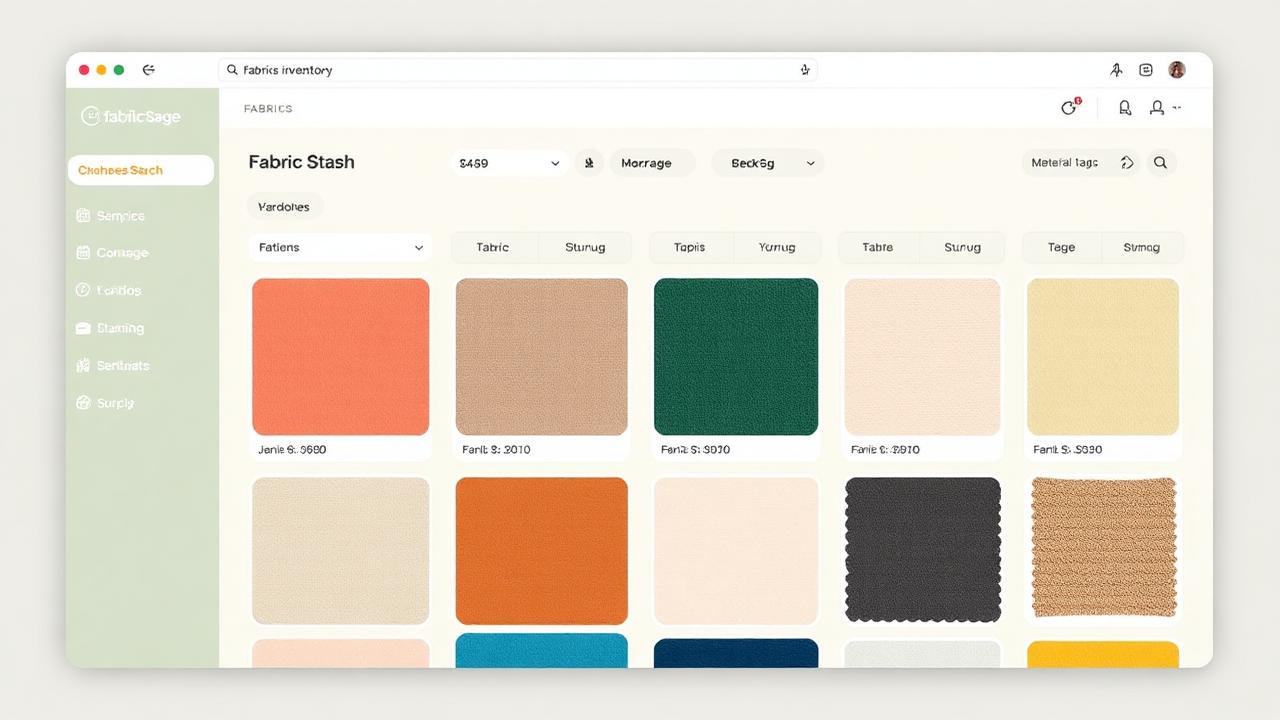
Sewist Studio's Stash Planner reads directly from your cataloged fabric inventory — fiber, weight, stretch, yardage, width are already there because you logged them once when you photographed each cut. You hit "Plan a project," set a vibe ("summer top," "structured trousers," "kids' pajamas"), and AI returns specific pattern suggestions matched to fabric you actually own.
Why this matters:
- No retyping. Your stash is the source.
- Always current. Use 2 yards of linen on Saturday, the planner knows on Sunday.
- Pattern aware. If you've also cataloged patterns, it pairs from your library first.
- One-tap to Kanban. Pick a suggestion and it pre-fills a new project card with pattern + fabric assigned.
Try the Stash Planner → (free account, no card)
Method 3: Hybrid — use ChatGPT for ideation, Sewist Studio for execution
Power users do this:
1. Brainstorm in ChatGPT when you want wide creative range ("what styles are trending for fall 2026 in linen?").
2. Filter in Sewist Studio by pulling up your fabric stash and using the pattern–fabric pairing tool to validate which of those ideas you can actually execute today.
3. Queue in the Kanban so the project doesn't get lost.
That combo gets you the broad creative reach of a general-purpose AI and the grounded "actually own the materials" check of a sewing app.
How AI knows what fabric works for a pattern
Modern AI models are trained on sewing pattern data, fabric science, and garment construction. They understand:
- Drape — silk charmeuse for bias-cut, ponte for fitted.
- Stretch — knit patterns need at least 2-way stretch; activewear needs 4-way.
- Weight — heavier fabrics for structure (coats, bags), lighter for drape (blouses).
- Fiber behavior — linen wrinkles, polyester holds pleats, wool tailors well.
The model gets this right ~80% of the time on common fabrics. Always cross-check against the pattern envelope's stated fabric recommendations before cutting.
A worked example: planning a full weekend of sewing
Friday night, you have:
- 3 yards cotton poplin, navy
- 2 yards linen-cotton blend, oatmeal
- 1.5 yards rayon challis, floral
In the Sewist Studio Stash Planner, set vibe to "summer wardrobe basics." AI returns:
1. Tessuti Demi Pants in the navy poplin (2.5 yards used; 0.5 left for pockets/facings on something else).
2. Sewing Patterns Tilly Indigo Crew Tee in the linen-cotton (2 yards exactly).
3. Grainline Hemlock or a bias-cut tank in the rayon challis (1.5 yards fits a cropped style).
Three garments, full weekend, zero shopping. That's the goal.
What AI still can't do
Be honest: AI won't know that the rayon challis pulls weird on the bias, or that your sewing machine eats lightweight wovens. It won't account for your specific body's fit preferences without you telling it. Use it for the match, not the fit work. Toiles are still toiles.
Getting started in 5 minutes
1. Create a free Sewist Studio account.
2. Photograph your 10 highest-yardage fabrics — AI extracts fiber, weight, and yardage automatically.
3. Open the Stash Planner, set a vibe, get suggestions.
4. Pick one, hit "Add to projects," and start cutting.
If you'd rather DIY with ChatGPT, the prompt at the top of this article is the entire system. Save it as a snippet and you're set.
Frequently asked questions
Can ChatGPT really help me decide what to sew?
Yes, if you give it structured fabric data and a clear goal. Quality of suggestion = quality of input.
What's the best AI for sewing project ideas?
ChatGPT and Claude both work well for general brainstorming. The Sewist Studio Stash Planner is purpose-built for stash-aware suggestions.
How does AI know what fabric works for a pattern?
Models trained on sewing pattern data and fabric properties match drape, stretch, weight, and fiber to garment requirements.