The Best Fabrics for Smocking (and What to Avoid)
Not every fabric pleats well. Here's what to look for when buying smocking fabric, and which fabrics will fight you at the pleater.
What makes a fabric "smockable"
Smocking gathers fabric into narrow pleats that need to stand up on their own. That requires three properties:
1. Lightweight — heavy fabric creates bulky, uneven pleats that resist the needle.
2. Tight, plain weave — loose weaves distort at the pleater and won't hold their shape.
3. Natural fiber content — cotton, silk, and linen press and hold a crease. Slippery polyester fights every step.
A fabric that meets all three feels smooth, drapes softly, and creases sharply when you press it.
The classic smocking fabrics
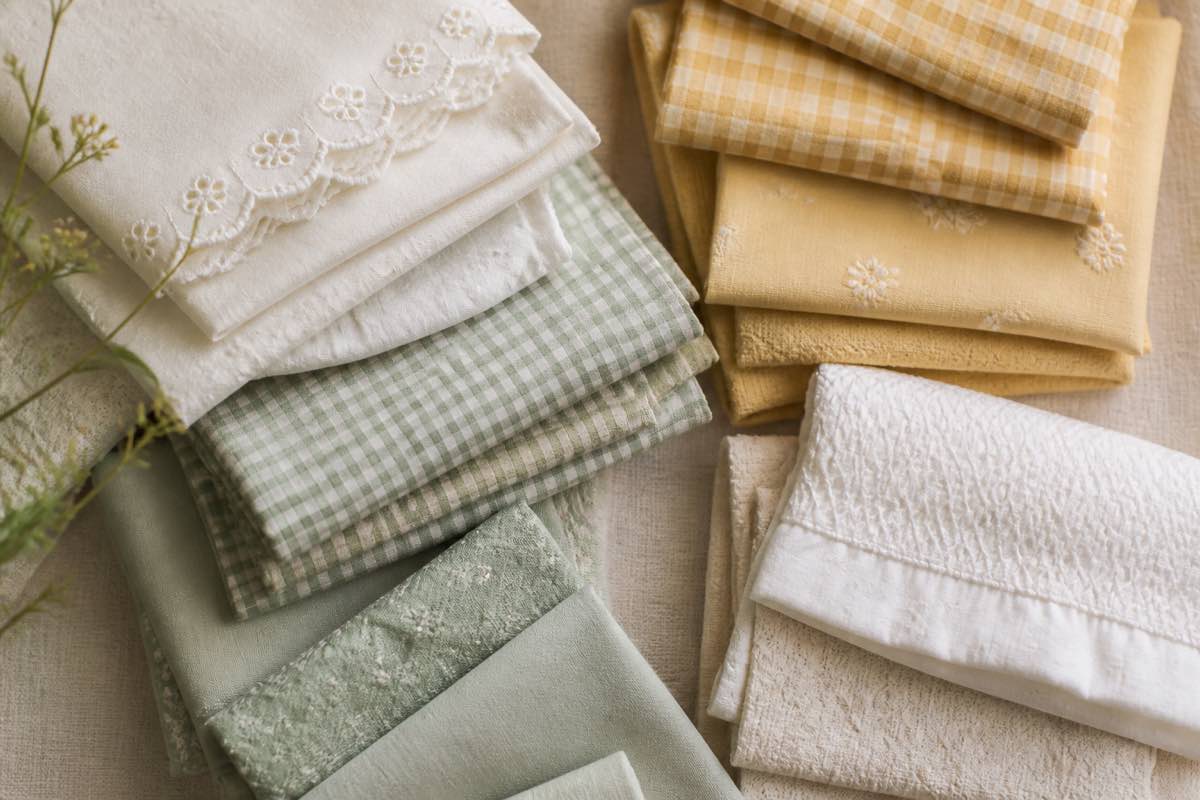
Swiss batiste
The heirloom standard. Extremely fine, tightly woven cotton with a soft hand and beautiful drape. Every stitch shows crisply. Expensive, but worth it for keepsake garments.
Imperial broadcloth
The workhorse. Slightly heavier than batiste, more affordable, comes in a huge color range. Ideal for bishop dresses and everyday smocked garments.
Fine gingham (1/16" or 1/8" check)
Under-appreciated. The checks act as built-in pleater guides and give beginners perfectly straight rows without a pleater.
Cotton lawn (Liberty and equivalents)
Soft, silky, and great for garments where you want a fluid drape. Small florals hide the pleater dots.
Silk dupioni (lightweight)
Formal, dressy, and holds a pleat beautifully. Use for special occasion garments only — it frays and is unforgiving to rip.
Fabrics to avoid
- Knits — they stretch instead of pleating.
- Quilting cotton — often too stiff and heavy, doesn't drape.
- Heavy linen or denim — the pleater struggles and the pleats stand up like corrugated cardboard.
- Slippery satins or polyesters — pleats slide out before you can stitch them.
- Pre-washed with fabric softener — softener coats fibers and prevents a crisp fold.
Pre-washing the right way
Wash and iron smocking fabric before pleating:
1. Machine-wash on gentle in warm water without fabric softener.
2. Tumble dry low or line dry.
3. Press flat with steam, on the grain.
Skipping this step means your finished garment shrinks unevenly the first time it's laundered.
Track your smocking-ready fabrics
The fastest way to lose momentum on a smocking project is realizing mid-plate that you don't have the right yardage. The digital stash lets you tag each cut as "smockable" with its width, weight, and fiber, and camera cataloging captures a photo of every bolt so you can spot the right batiste at a glance.
Add your smocking fabrics to Sewist Studio and stop guessing before you cut.
Buying smart
For most makers, a small curated smocking stash beats a big pile of miscellaneous cotton. Aim for:
- 2 yards of imperial broadcloth in white and ecru
- 1 yard each of 3–4 pastel batistes
- 2 yards of 1/16" gingham in a favorite color
That's enough for a year of practice pieces, gifts, and one heirloom bishop dress.