Heirloom Sewing: A Complete Guide to Fine Hand-Sewn Garments
Heirloom sewing combines fine fabrics, lace, smocking, and embroidery into garments meant to last generations. Here's how to start.
What "heirloom sewing" actually means
Heirloom sewing is a tradition of building children's clothing, christening gowns, and delicate blouses from the finest available cotton and silk, joined with hand or machine-sewn techniques that emphasize longevity and beauty over speed. The garments are meant to be passed down — literal heirlooms.
Three techniques define the style:
1. French hand sewing — narrow seams, entredeux, lace-to-lace joins that leave no raw edges.
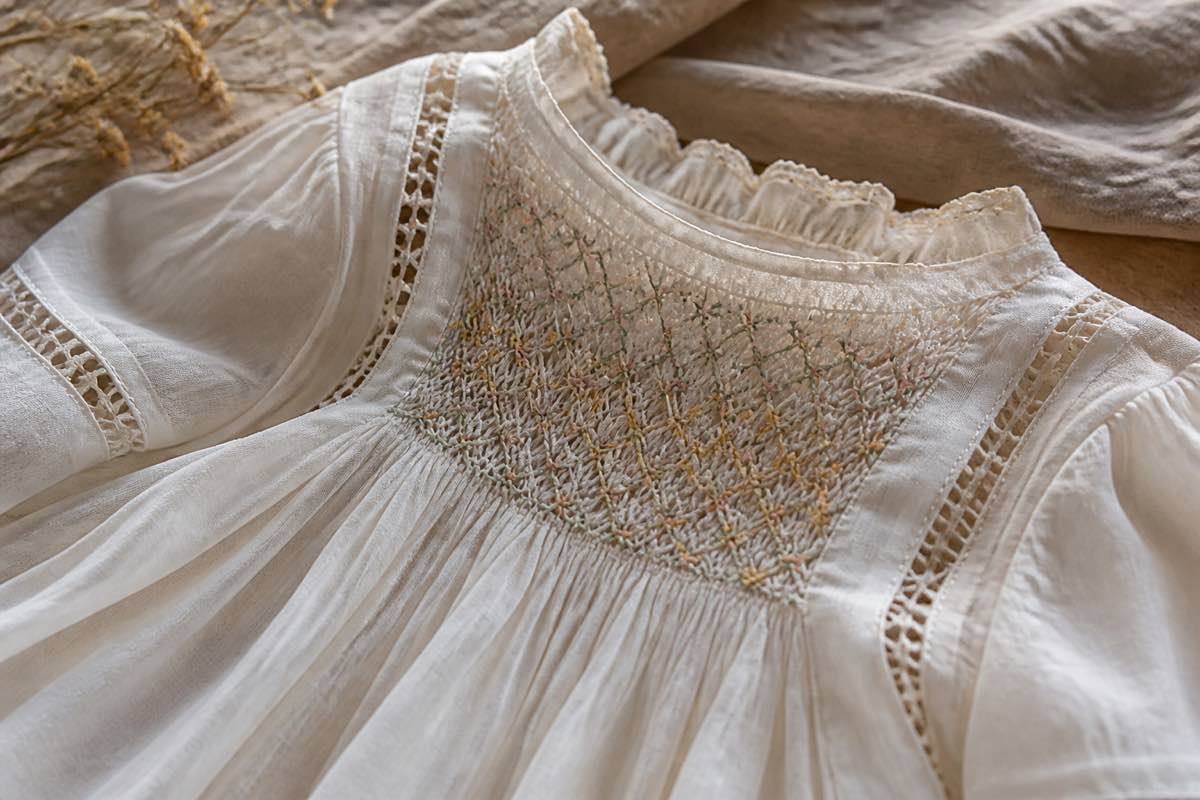
2. Smocking — hand embroidery over gathered pleats that adds structure and decoration to yokes, bishops, and cuffs.
3. Fine embroidery — bullion roses, shadow work, and satin-stitched motifs worked on the finished panels.
The essential toolkit
You do not need every specialty tool at once. Start with:
- Swiss batiste or cotton lawn in white or ecru
- DMC or Anchor 6-strand cotton floss
- Size 10 sharps or size 8 crewel needles
- Fine cotton machine thread (60-weight or 80-weight)
- A small pair of embroidery scissors
- Iron and clapper — pressing is half the craft
Later you'll add French laces (Val, Cluny), entredeux, a pleater, and a light-weight sewing machine with a good straight stitch.
Where smocking fits
Smocking is the visual signature of most heirloom baby and toddler garments. A bishop dress smocked across the yoke, a daygown with a smocked insert, a sunsuit with a smocked bib — all trace back to the same French and English heirloom traditions.
If you're new, work through the smocking beginners guide first, then come back and add lace and embroidery.
Where embroidery fits
Traditional heirloom embroidery uses a small vocabulary of stitches:
- Bullion knots for tiny roses and buds
- Satin stitch for leaves, hearts, and monogram fills
- Shadow work (herringbone worked on the wrong side of transparent fabric) for delicate front-facing motifs
- French knots for flower centers and eyes
Learn one motif at a time on scrap batiste before committing it to a garment.
Planning a first project
A collared daygown with a smocked insert is the classic beginner heirloom. It teaches:
- French seams and rolled hems
- Lace-to-fabric joining
- Small-scale smocking (a single insert, not a full bishop)
- Buttonhole placement on delicate fabric
Once that's finished, a bishop dress or a christening gown becomes realistic.
Track your heirloom studio
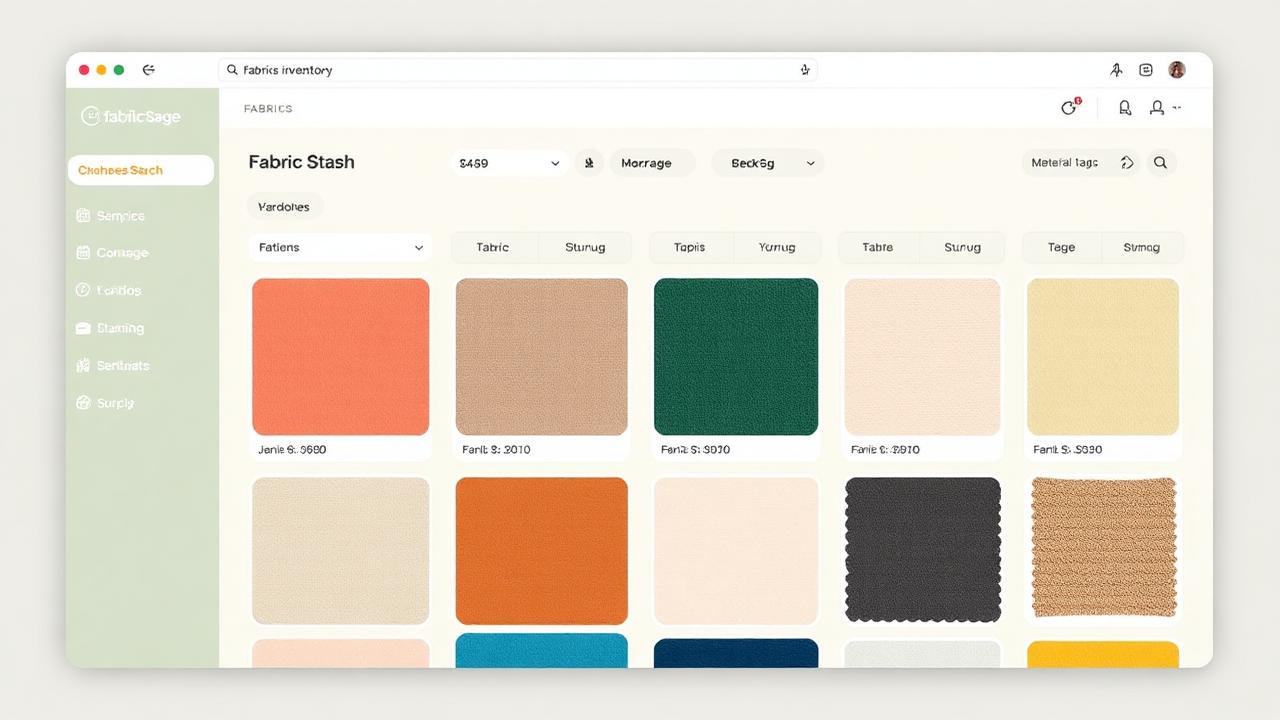
Heirloom sewing accumulates specialty stock fast: yards of white batiste, dozens of DMC skeins, meters of French lace, spools of 80-weight cotton. The digital stash tracks every yard and skein with photos so you can see at a glance whether you already own the lace you need. Log each finished piece as a card on the project kanban with fabric, floss list, and finished photos so a bishop dress becomes a reusable reference for the next one.
Start your heirloom studio in Sewist Studio and stop losing track of what's in the batiste drawer.