Ravelry vs Sewing: Why Knitters Got a Hub and Sewists Didn't (Until Now)
Knitters got Ravelry in 2007. Sewists are still asking when they'll get the equivalent. Here's why it took two decades — and what finally made it possible.
Ravelry, the platform knitters built in 2007
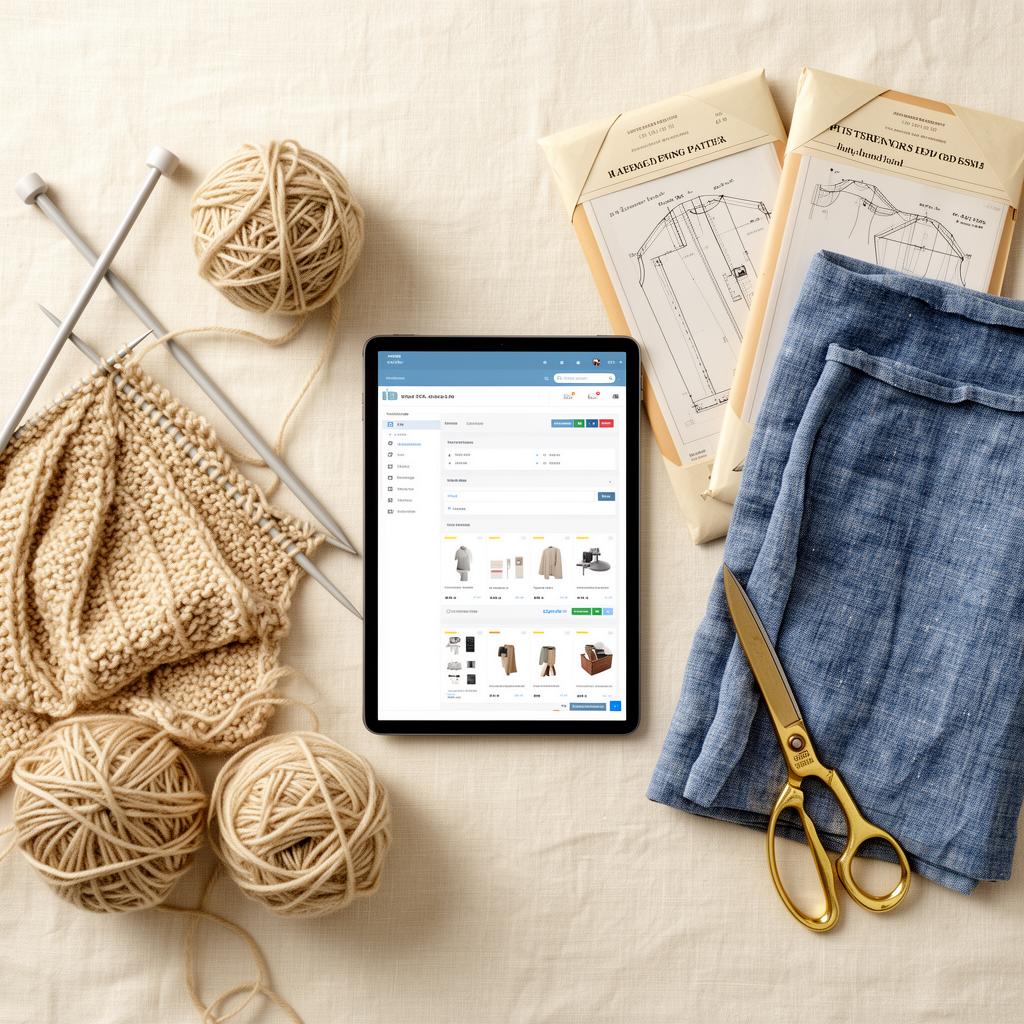
In May 2007 a husband-and-wife team launched Ravelry, a free site for knitters and crocheters to catalog patterns, log yarn, track projects, and share what they made. Within five years it had four million users. Today it has more than nine million. It's the most successful craft community ever built, and it remains the single best argument for what a vertical hobby platform can be.
The structure is simple. Every knitter has:
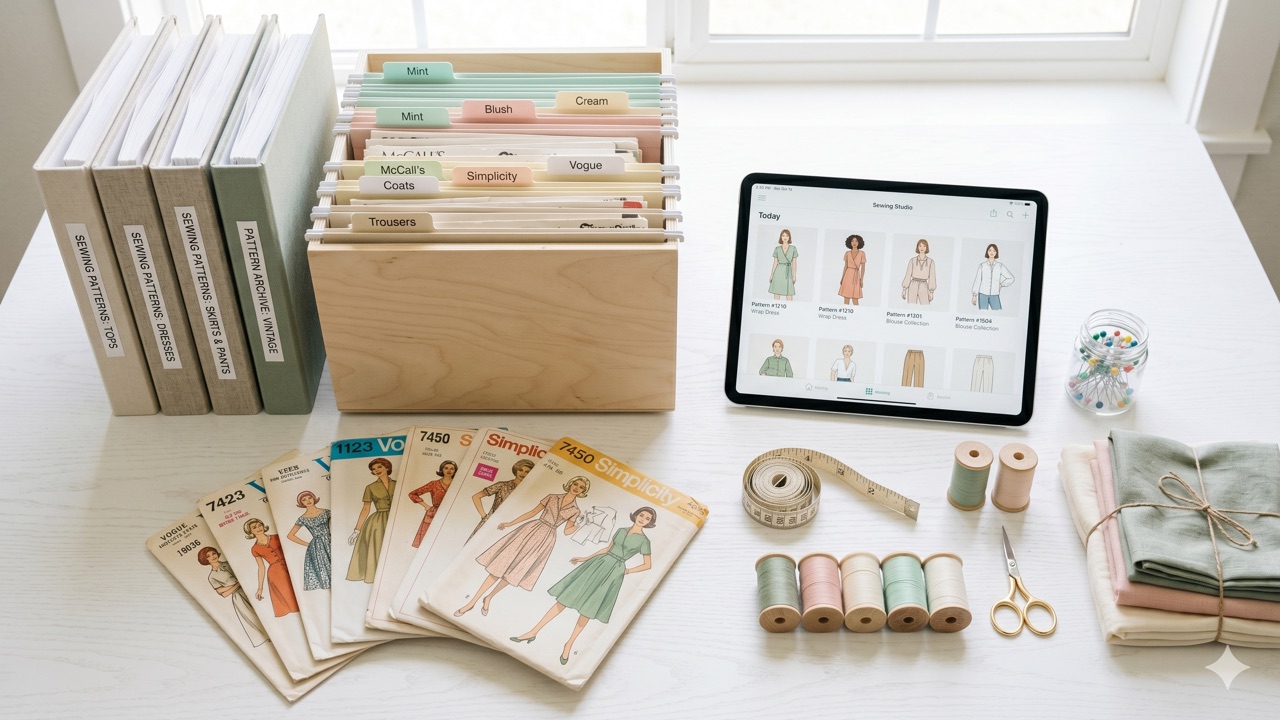
- A pattern library — searchable, filterable, with photos and notes
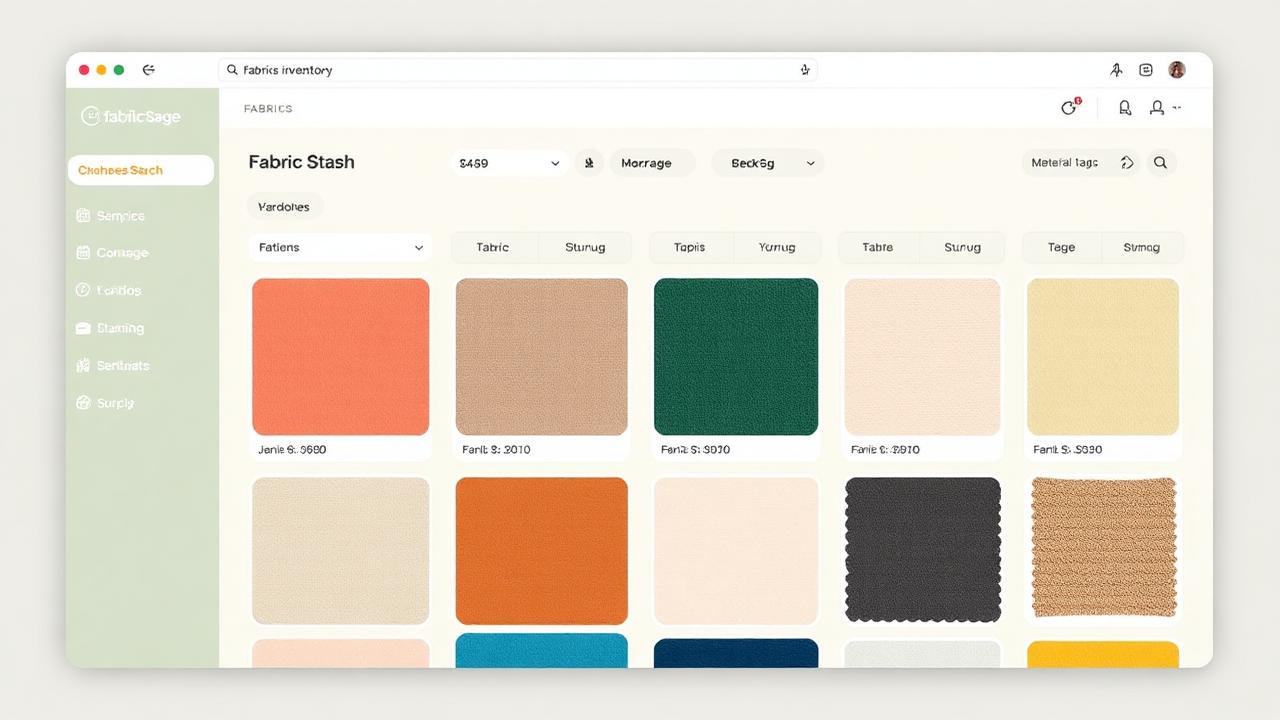
- A yarn stash — every skein logged with weight, yardage, fiber, dye lot
- A project queue — past, present, and planned, each linked to a pattern and the yarn used
- A community feed — comments, project photos, designer notes
Each piece is good on its own. The magic is that they're linked. Favoriting a pattern instantly shows you which yarn in your stash would work. Finishing a project subtracts the yarn from your stash. Searching for "what can I knit with 400 yards of worsted" returns patterns your stash can support.
Sewists have watched this for nineteen years and asked the same question every year: where's ours?
The graveyard of attempts
Sewing's Ravelry has been tried, repeatedly, and the projects keep failing. Honest tour:
Kollabora (2012–2017)
A New York startup that raised real money to build a Ravelry-style platform for sewing, knitting, and jewelry. The community side worked; the data side never did. Cataloging sewing patterns was too manual, the project tracker was too simple, and the platform shut down in 2017.
BurdaStyle
Started as a community for sewists to share projects, pivoted to become a pattern marketplace. Great for buying Burda patterns, not built to catalog the rest of your library.
Sewing Pattern Tree
A nonprofit pattern-swap database. Useful for destashing, but no project tracker, no stash, no community feed.
PatternReview.com
The closest thing to a long-running hub. Strong review database (people post photos and notes of their finished makes), but the UX is straight out of 2004, the pattern catalog is incomplete, and there's no stash integration.
Notion templates, Trello boards, Airtable bases
The DIY tier. They work for the 5% of sewists who love systems and maintain spreadsheets for fun. Everyone else bounces off in a month — see our piece on why a sewing pattern database in a spreadsheet always fails.
Cora Sewing Tracker
A solid mobile app for tracking projects. Limited pattern catalog, no stash matching, mobile-only.
Two decades of attempts, no Ravelry-equivalent. Why?
The three structural reasons it kept breaking
1. Sewing patterns resist databasing
Yarn is simple. A skein has a name, a weight, a yardage, a fiber, a colorway. The yarn band is standardized worldwide, and most knitters type the data in once when they buy it.
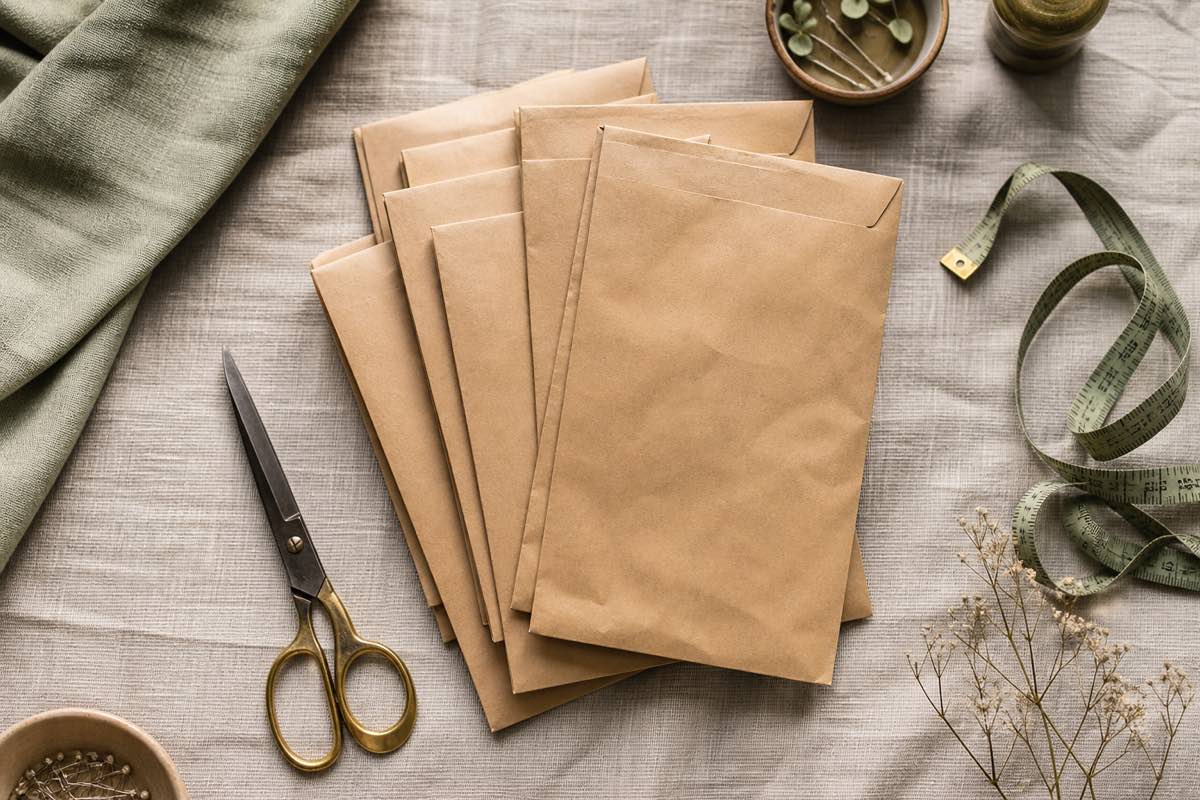
Sewing patterns are a mess. The Big Four (Simplicity, McCall's, Butterick, Vogue) print envelopes that have sizes, views, yardage at multiple fabric widths, recommended fabrics, notions, and difficulty — all laid out differently. Indie PDF designers each format their own way. Vintage patterns are hand-lettered. Asking a sewist to type all that in for a 100-pattern library is a non-starter. Every attempt at a Ravelry-for-sewing has died at the data-entry step.
2. Fabric is harder than yarn
Yarn comes in standardized weights — lace, fingering, sport, DK, worsted, bulky. A pattern says "worsted weight" and a knitter searches their stash for "worsted." Done.
Fabric has weight and drape and stretch and fiber and width. A pattern says "lightweight rayon with good drape" and the sewist has to look at every piece in the stash and judge by hand. No simple database lookup works without serious structured fabric data — which, again, nobody wants to type in.
3. PDF fragmentation
When Ravelry launched in 2007, knitting was almost entirely on paper or in printed books. By the time someone tried to build the sewing equivalent, indie PDF patterns were everywhere. A sewist's library is a chaotic mix of paper envelopes, downloaded PDFs in twelve different folders, magazine inserts, and emailed Etsy receipts. There was no clean intake format, so there was no clean catalog.
Yarn never had this problem.
What finally changed in 2026
Two technical shifts removed the blockers:
AI vision models that read pattern envelopes
A 2024-class vision model can look at a Simplicity envelope front and back and pull out the brand, pattern number, sizes, all the views, recommended fabrics, yardage at each width, and notions list — accurately, in seconds. That single capability collapses the data-entry mountain that killed every previous attempt. Snap a photo, get a catalog row.
This is exactly what Sewist Studio's AI pattern scanner does. A 100-pattern library that would have taken a Notion-template sewist a week to type in now takes an evening of photographs.
Structured fabric capture
Once a stash can be cataloged with weight + drape + stretch + width + yardage quickly (photo + dropdowns, ~30 seconds per cut), the matching engine becomes possible. The same AI that reads the pattern's fabric requirements can query the stash and answer "do I have something that works for this?"
That's Sewist Studio's fabric stash organizer — and it's what unblocks every downstream feature.
PDF parsing
PDF patterns can now be parsed automatically too — cover page, page count, recommended fabric, finished measurements. The "where do I keep my PDFs?" problem becomes "drop the folder in" instead of "build a Notion table."
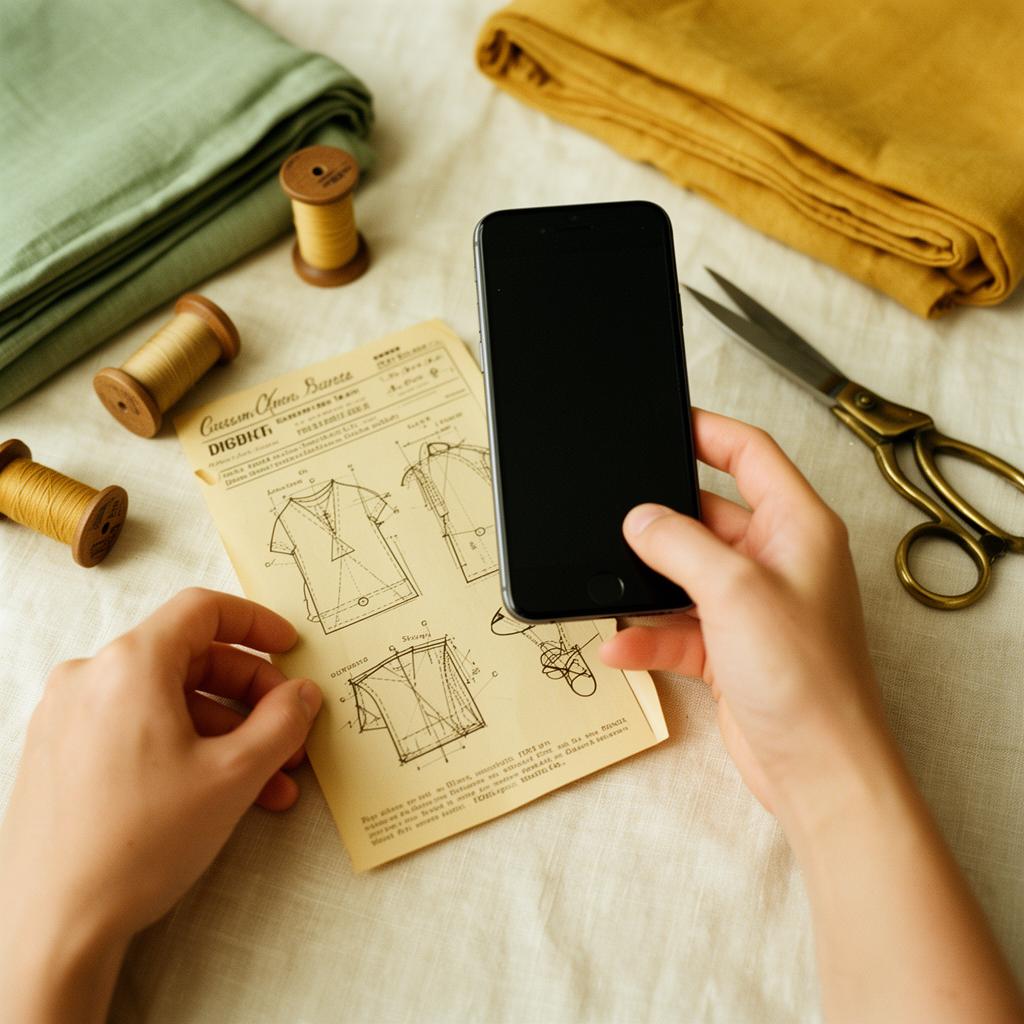
What a real Ravelry-for-sewing finally looks like
Once the data layer works, the experience knitters have had for nineteen years finally arrives for sewists:
- A pattern library that auto-catalogs from photos and PDFs.
- A fabric stash with structured weight, drape, dimensions on every cut.
- A project queue (Kanban-style) that links pattern + fabric + photos + fit notes.
- A planner that suggests projects you can actually make from what you own — the killer Ravelry feature.
Sewist Studio is the first platform that ships all four with the data-entry problem actually solved. The full breakdown of how the pieces talk to each other lives in our companion piece, "Looking for a Ravelry for Sewing? Here's What Actually Works in 2026".
What sewists get in 2026 that knitters had in 2007
The honest answer: most of it, finally, plus a few things knitters don't have — AI-generated visual mockups of garments before you cut, machine embroidery file previews, and an AI "what should I sew with this?" assistant.
The community piece will follow the tool. It always does. Ravelry's nine million users came after the working library. The same arc starts now for sewists.
Want to see what a sewist's Ravelry actually feels like? Start a free Sewist Studio account, scan ten patterns, log a few cuts of fabric, and watch the project suggestions arrive. The wait is over.