How to Sew Preemie and NICU Clothes to Donate (From Soft Scraps and Old T-Shirts)
Tiny babies need tiny, soft clothes, and many hospitals rely on sewists to make them. Here's what NICUs ask for, which fabrics work, and how to sew donations they can actually use.
Why NICUs need sewists
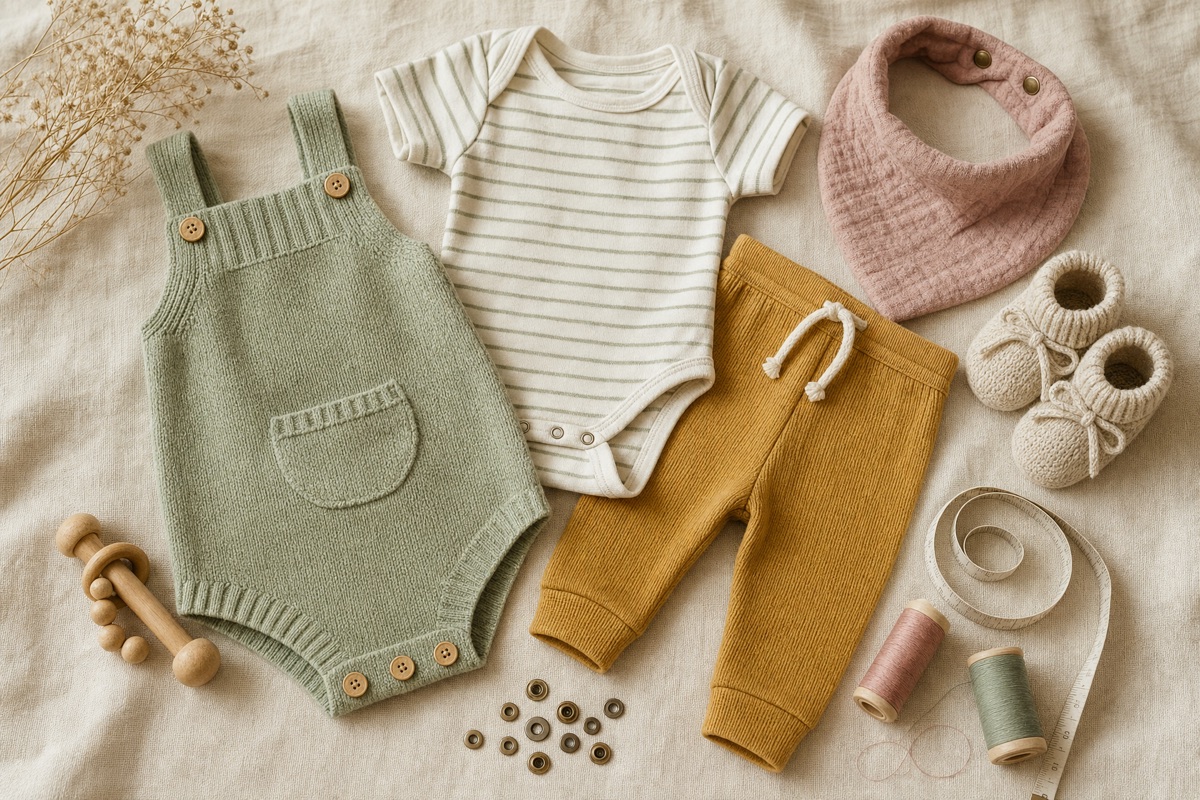
Babies born early can weigh as little as a pound or two. Regular newborn clothes swallow them, and even "preemie" sizes from stores are often too big for the smallest babies. Many hospitals, NICU family programs and charities rely on volunteers to sew tiny clothes, blankets and isolette covers, and parents remember those first clothes for a long time.
It's also one of the best uses of a stash: a preemie shirt takes a few inches of fabric, so the soft scraps and worn-soft knits you've been saving go a long way.
Start by asking: every hospital has its own rules
Before you cut anything, contact the place you plan to give to. Call the hospital's volunteer office or NICU family coordinator, or join an established preemie charity that collects for local hospitals. Ask:
- What do you need right now? Shirts, gowns, blankets, hats, isolette covers or burp cloths, and in which sizes.
- Do you accept handmade items at all? Some hospitals don't, or only through a partner charity.
- Do you accept upcycled fabric? Many NICUs ask for new fabric only, prewashed. Others, and many charities, happily take clean, soft, gently used cotton.
- What are the washing rules? Fragrance-free, dye-free detergent and no fabric softener are common. Many ask for a smoke-free and pet-free home.
- How should items be packed? Often washed, dried, and sealed in a clean zip bag with a size label.
Their answers override anything in this guide. A beautifully sewn gown that breaks the hospital's rules can't be used.
The best fabrics
Preemie skin is extremely delicate, so soft, breathable, washable fabric is everything.
- Cotton interlock and jersey – soft, stretchy, and forgiving of tiny limbs.
- Cotton flannel – great for blankets, gowns and isolette covers.
- Old T-shirts – often the softest knit you own, if the charity accepts upcycled fabric. Use only areas with no thinning, pilling, holes or stains, and skip printed areas with thick, stiff screen prints.
- Bed sheets – vintage cotton sheets wash to a lovely soft hand, again only where the charity accepts used fabric.
Avoid scratchy, stiff, synthetic or heavily dyed fabrics, metallic threads and anything that sheds fibers.
Safe construction
- No buttons, ribbons, bows, beads, appliqué that can peel, or loose threads. Anything that can come off is a hazard.
- Closures: most hospitals prefer plastic snaps or soft ties at the side, or no closures at all. Ask before using hook-and-loop tape; it can scratch.
- Side or front openings. NICU babies often have monitor wires, IV lines and feeding tubes, so nurses need to dress them without pulling anything over the head. Kimono-style shirts and side-snap gowns are popular for this reason.
- Enclosed or flat seams where possible, so nothing rubs. On knits, a narrow zigzag or serged seam turned to the outside keeps the inside smooth.
- Trim every thread tail and check each item under good light before packing it.
- Prewash all fabric before cutting, then wash the finished item again according to the hospital's rules.
Sizes
Preemie sizing is based on weight, and the ranges vary by charity. Groups often use bands such as micro-preemie (under about 3 pounds), preemie (about 3 to 5 pounds) and small newborn (about 5 to 7 pounds). Use the size chart and patterns your hospital or charity provides, because they match what their nurses need.
What to make
- Kimono or side-snap shirts – the most requested item at many NICUs.
- Simple gowns with an open back or side snaps.
- Flannel blankets in the size requested; isolette blankets are much smaller than crib blankets.
- Isolette covers – some hospitals use them to shade the incubator; they need specific dimensions, so always ask.
- Hats – sewn from soft interlock, if the hospital accepts them.
- Bereavement (angel) gowns – some charities provide burial gowns for families who lose a baby. These have their own guidelines; contact an established program before making them.
Plan your scraps with Sewist Studio
A pile of soft knits and thrifted tees is easy to forget about. In Sewist Studio, add them to your fabric stash with Source set to Upcycled garment, Bedsheet / linens or Scraps and a note on what each piece was. Then filter your stash by source when it's time to sew, and use AI Ideas → Upcycle to plan what each item can become, including preemie and NICU donations. For more small-project ideas, see scrap fabric projects and free baby sewing patterns.