Turn Thrifted Bed Sheets and Tablecloths Into Clothes (Upcycling Linens 101)
That $2 vintage floral bed sheet is yards of pre-washed cotton waiting to become a dress. Here's how to turn thrifted sheets, tablecloths, and curtains into clothes you'll wear.
The cheapest apparel fabric is in the linens aisle
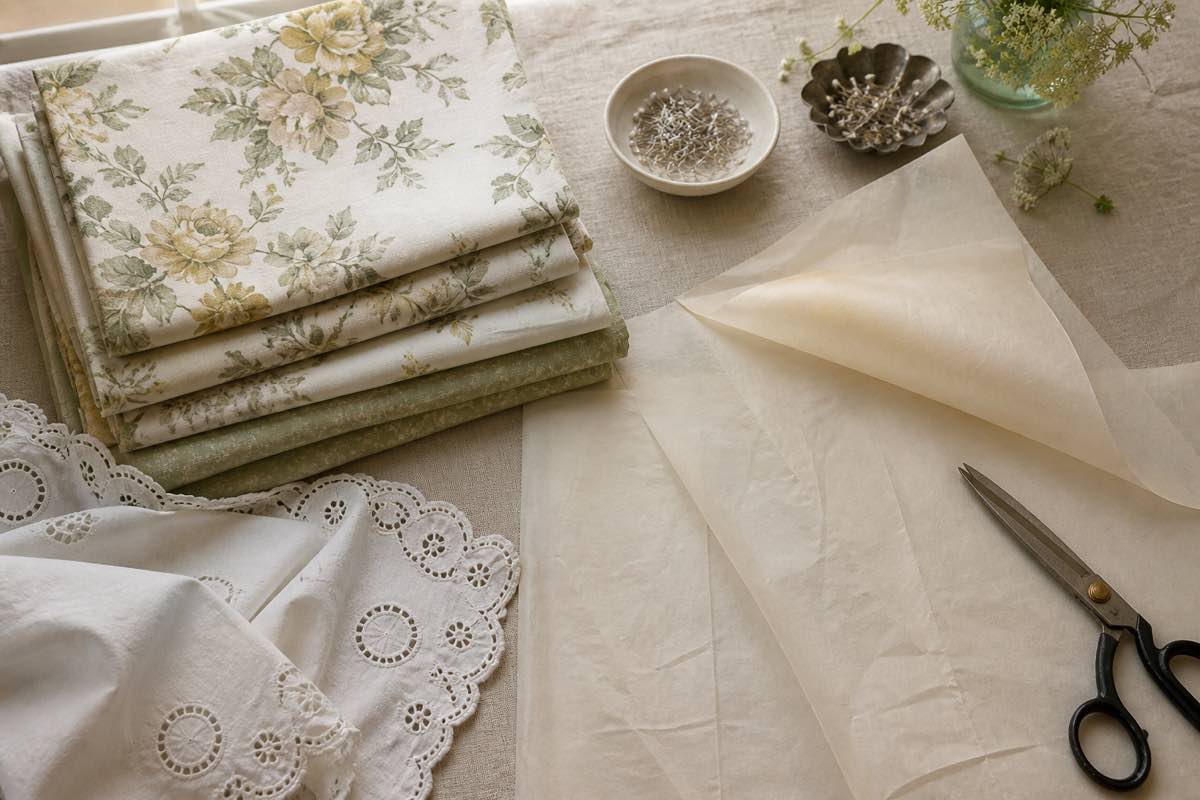
New apparel fabric is expensive. Meanwhile, every thrift store has a back corner stacked with bed sheets, tablecloths, and curtains for a dollar or two each — and a flat sheet is yards of fabric that's already been washed soft. Sewists have quietly known this forever; now a whole generation of makers is rediscovering it as a cheap, sustainable way to build a handmade wardrobe.
A $2 vintage floral sheet can become a dress. A linen tablecloth can become a skirt and a matching top. This is upcycling at its most practical — and it's a brilliant on-ramp if you're learning to sew on a budget.
What to look for (and what to skip)
Treat the linens rack like a fabric store and judge the cloth, not the original purpose:
Great finds:
- 100% cotton or linen flat sheets — the flat sheet gives you the largest uninterrupted rectangle (fitted sheets have elastic and seams that eat into usable fabric).
- Vintage cotton sheets — soft, often with gorgeous out-of-print florals and stripes.
- Lightweight cotton or linen tablecloths — great drape for skirts and tops; sometimes with a pretty border you can feature.
- Cotton curtains — often a generous, stable woven.
Skip or be cautious:
- Heavy upholstery or blackout curtains — too stiff/heavy for most clothing, and blackout has a rubberized backing.
- Thin, worn, or pilled fabric — if it's see-through at the fold lines, it'll fail fast as a garment.
- Mystery synthetics that feel plasticky — hard to sew and uncomfortable to wear.
When in doubt, the needle and fabric guide helps once you identify the fiber.
Step 1: Wash, then inspect like a detective
Always wash thrifted linens before cutting — to clean them, strip any finish, and pre-shrink (the same logic as pre-washing any fabric). Then inspect, wet and dry:
- Hold it to the light for thin spots and pinholes.
- Check the fold lines — old sheets weaken where they've been folded for years.
- Map the stains and wear so you know your "no-cut" zones.
Most thrifted linens have some unusable area. The skill is cutting around it.
Step 2: Measure the TRULY usable fabric
A queen flat sheet sounds enormous, but after you subtract the thick top hem, the worn center fold, and a coffee stain in one corner, your real usable yardage is smaller. Measure the largest clean, sound rectangle you can actually cut from — that's your working yardage.
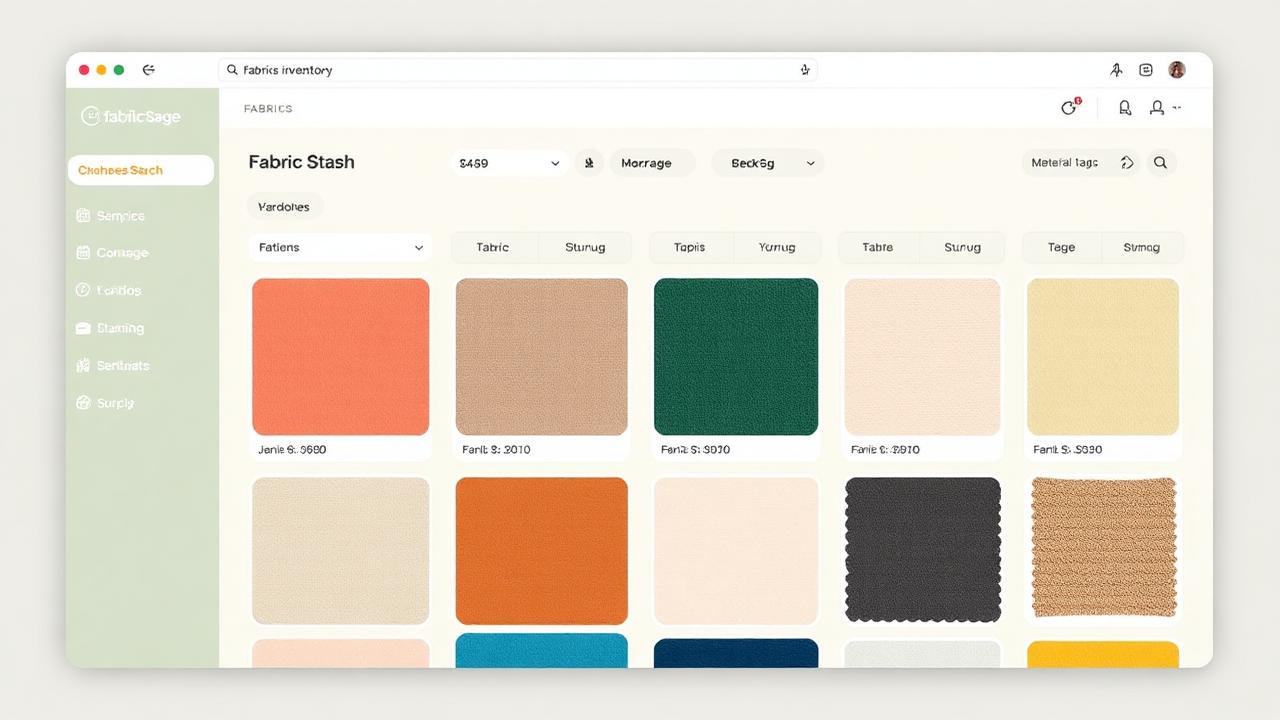
Record it in your digital fabric stash as usable yardage, with a note on where the flaws are. Now when you plan a project, you're planning around what the sheet can really give you — not its mattress size. Use the fabric yardage calculator to check a garment fits within it.
Step 3: Match the linen to the right garment
Pair the fabric's weight and amount to a fitting project:
- Soft vintage cotton sheets → gathered dresses, peasant tops, pajamas, kids' clothes.
- Crisp cotton/linen tablecloths → A-line or gathered skirts, button-up shirts, structured tops.
- A bordered or embroidered tablecloth → feature the border at a hem or yoke.
- Curtains → totes, simple trousers, sturdy aprons.
Fabric-to-pattern matching and the visualizer help you see whether that big floral print will sing or overwhelm on the pieces you're cutting.
Step 4: Cut smart around prints and flaws
Thrifted linens reward planning your layout:
- Place pattern pieces to dodge worn spots and stains.
- Use existing hems — a sheet's finished hem can become your garment's hem, saving work.
- Center or match prints deliberately, especially borders and large motifs.
- Cut single-layer if the print is directional or the usable area is irregular.
Plan it, then log it
Queue your linen makes in your project planner, pairing each sheet or tablecloth with a pattern it can actually yield. Then log the finished garment in your project journal with a before-and-after — the $2 sheet and the dress it became is one of the most satisfying records you'll keep.
2. Wash and inspect each thrifted linen.
3. Log its usable yardage and flaws in your stash.
4. Match it to a pattern it can actually produce.
5. Cut around the flaws, sew, and log the before-and-after.
Frequently asked questions
Can you make clothes from thrifted bed sheets?
Yes — they're large pieces of apparel-suitable cotton or linen, ideal for dresses, skirts, shirts, and pajamas.
Which thrifted linens are best?
100% cotton or linen flat sheets, lightweight tablecloths, and cotton curtains. Avoid heavy upholstery and rubberized blackout.
Do I need to wash them first?
Always — to clean, de-finish, pre-shrink, and reveal thin spots and stains to cut around.
How much usable fabric is in a sheet?
A lot, but less than the full size once you avoid hems, worn folds, and stains. Measure the truly usable rectangle.
How do I track thrifted finds?
Log each piece's usable yardage, fiber, and flaws in a digital stash so you can plan garments around it.
Log your thrifted linens and plan garments from them — free →