Which Sewing Machine Needle for Which Fabric? (The Only Chart You Need)
Skipped stitches on a knit? Snags on your silk? Nine times out of ten it's the needle, not your machine. Here's exactly which needle to use for every fabric.
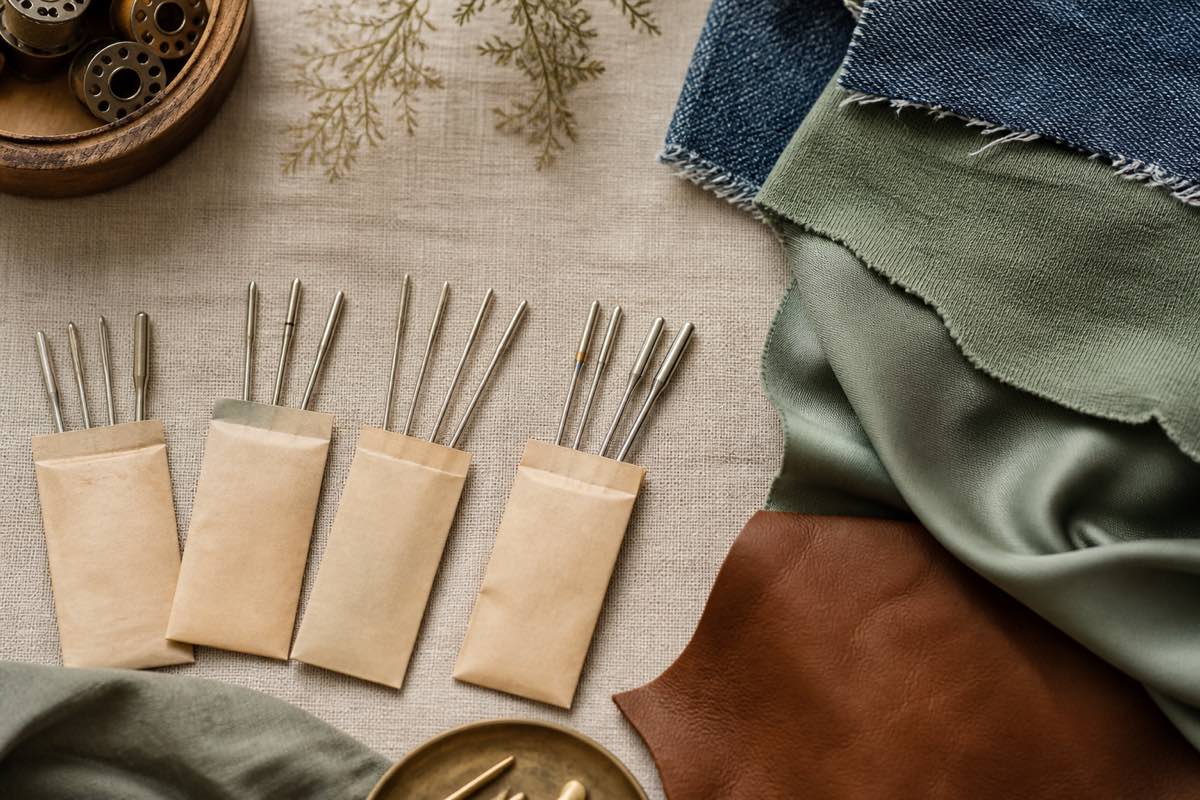
The needle is the cheapest fix in sewing
Skipped stitches on a jersey. Snags and pulls in your silk. Thread shredding on denim. Before you blame your machine — or yourself — check the needle. It's the single most common cause of "my machine is acting up," and it's a 30-second, dollar fix.
Two things matter: the type (the shape of the tip and blade, matched to the fabric structure) and the size (the thickness, matched to the fabric weight). Get both right and most stitch problems simply vanish.
Reading needle sizes
Needles are labeled with two numbers, like 80/12 — the European size (60–120) over the American size (8–19). Both describe the same thing: blade thickness. Lower is finer (for lightweight fabric), higher is thicker (for heavyweight fabric). A rough mapping:
| Size (EU/US) | Fabric weight |
|---|---|
| 60/8 – 70/10 | Lightweight: chiffon, silk, fine batiste |
| 80/12 | Medium: quilting cotton, poplin, shirting |
| 90/14 | Medium-heavy: linen, light denim, knits |
| 100/16 | Heavy: denim, canvas, upholstery |
| 110/18 | Very heavy: thick denim, multiple layers |
The needle-type chart
Type matters as much as size. Match it to how the fabric is built:
| Fabric | Needle type |
|---|---|
| Wovens (cotton, linen, poplin) | Universal or Sharp/Microtex |
| Knits / jersey | Ballpoint or Jersey |
| Stretch (elastane, spandex, swimwear) | Stretch |
| Denim / canvas | Denim/Jeans |
| Leather, faux leather, vinyl | Leather |
| Silk, fine delicate wovens | Microtex (Sharp) |
| Topstitching / heavy thread | Topstitch |
| Embroidery | Embroidery |
The most important rule: knits need a rounded tip (ballpoint, jersey, or stretch). A universal needle's sharper point pierces and cuts knit loops, causing skipped stitches and little runs. A rounded tip slips between the loops.
Why the wrong needle causes each problem
- Skipped stitches on knits → universal needle cutting loops; switch to ballpoint/stretch.
- Snags and pulls on delicate wovens → needle too thick or blunt; go finer and fresh (Microtex).
- Thread shredding / breaking on denim → needle too fine or not a denim needle; size up.
- Visible holes in the fabric → needle far too thick for the weight; size down.
If you want the fuller troubleshooting picture — tension, threading, and bird's nests — pair this with sewing machine maintenance.
Change it more often than you think
A needle is a consumable. Swap it:
- Every ~8 hours of sewing,
- At the start of each project,
- Immediately after hitting a pin, or at the first popping sound, skipped stitch, or snag.
A fresh needle costs pennies; a damaged one can shred a whole panel of fabric you can't replace.
Stop re-guessing: log what worked per fabric
The frustrating part isn't learning this once — it's re-deriving it every time you pull a fabric from your stash months later. Which needle did I use on that ponte? Was the silk a 70/10 Microtex?
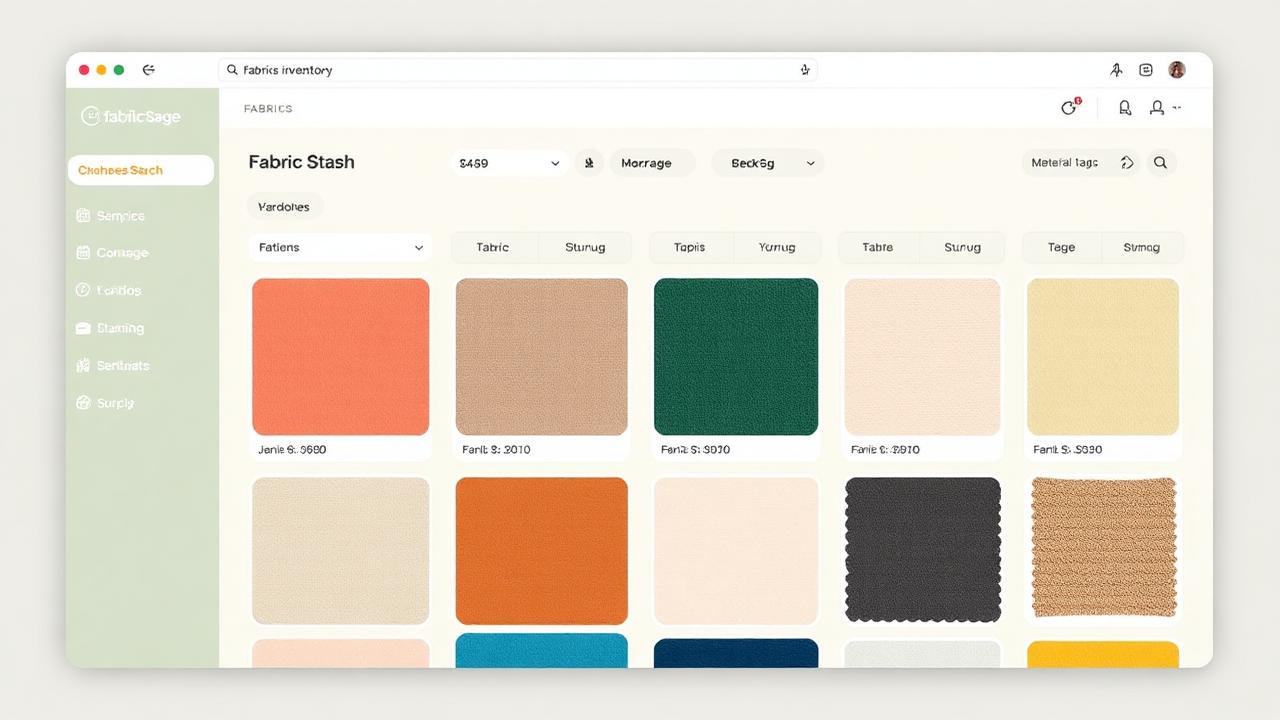
When you catalog fabric in your digital fabric stash, you can note the needle and settings that worked right on the fabric record. And in your project journal, log machine settings the first time you sew a new fabric type — then reuse the entry forever.
2. Tag each fabric in your stash with type and weight.
3. Record the needle and settings that worked on the fabric or project record.
4. Reuse the entry the next time you sew that fabric — no guessing.
Frequently asked questions
What needle for knit fabric?
Ballpoint or jersey for most knits; stretch for elastane. Rounded tips prevent skipped stitches and runs.
What do the two numbers mean?
European/American size; both describe blade thickness. Lower = finer, higher = thicker. Match to fabric weight.
Why am I skipping stitches?
Usually the wrong, blunt, or wrong-size needle. A correct fresh needle fixes it most of the time.
How often should I change the needle?
Every ~8 hours, each new project, or immediately after a pin strike or snag.
Can I use a universal needle for everything?
It handles most wovens, but knits, denim, leather, and delicates do much better with the dedicated needle.