15 Easy Sewing Projects for Beginners (That Don't Look Beginner)
If you just learned to thread your machine, these are the projects that build real skills without ending in a tangled mess at the back of a drawer.
Why most "beginner sewing project" lists are wrong
Most lists you'll find online recommend the same five things: a pillowcase, a scrunchie, a napkin, an apron, a rectangular tote. They're not wrong — they're just boring, and boring projects don't get finished.
The real trick to building sewing skills is picking projects that are technically easy but wearable, giftable, or genuinely useful. Those are the ones you'll actually finish, and finishing is what turns a beginner into a sewist.
Below are 15 projects organized by the skill they teach. Pick one from each group and you'll have a real foundation in three weekends.
Skill 1: Straight seams and hems
1. Lined zipper tote bag
A step up from the rectangular tote — adds a zipper and a lining, both core skills, in a project that doesn't have to fit a body. Search Etsy for "easy lined tote pattern" or grab the free Purl Soho version.
2. Pajama pants with an elastic waist
The single best first garment. No zippers, no buttonholes, no fitting drama — and you end up with pajamas you actually wear. Look for Simplicity 9617 or the free Peppermint Magazine PJ pants.
3. Simple A-line skirt
Two pattern pieces, an elastic waistband, a hem. Worn with a t-shirt it looks like you bought it. Mood Fabrics' free "Stella" pattern is perfect.
4. Cloth napkin set (6 pack)
Boring on its own, but six matched napkins make a stunning hostess gift. You'll practice perfect mitered corners — a skill you use forever.
Skill 2: Curves, casings, and elastic
5. Elastic-waist gathered skirt
Adds gathering to the A-line skill. The "two rectangles and a waistband" construction looks deceptively basic — pick a great fabric and it reads as boutique.
6. Pull-on shorts
Same skills as the pajama pants, shorter. Great in linen for summer.
7. Sleep mask with binding
Small, finishes in an hour, and teaches you to sew on a curve. Free patterns abound.
8. Baby bib (set of 4)
The fastest gift in sewing. Curves, snaps or velcro, contrast binding. Free Purl Soho pattern.
Skill 3: Linings, facings, and finishing
9. Drawstring backpack with reinforced corners
The "next level" tote. Eyelets are optional but impressive.
10. Lined makeup pouch
Magnetic snap, lining, boxed corners. A whole bag in under two hours.
11. Apron with cross-back straps
A "first garment that isn't a garment" — fits everyone, no sizing, but you'll learn pockets, ties, and a clean neckline finish.
12. Throw pillow with envelope back
Pillow covers are the secret cheat code: they look professional, they cost nothing in fabric, and they're done in 90 minutes.
Skill 4: Real garments
13. Knit t-shirt (your first stretch project)
Pick a pattern explicitly designed for beginners on knits — Tilly and the Buttons' Coco is the gold standard. A sewing machine zigzag is enough; you don't need a serger to start.
14. Box-pleat shift dress
Looks complicated, isn't. New Look 6263 is the classic. One zipper, two darts, three seams.
15. Button-up nightshirt
Your first project with a real collar and button placket — but with no fit to worry about, because it's a nightshirt. After this, "real" button-ups stop being intimidating.
How to pick the right pattern (and not waste fabric)
Three rules that will save you a lot of frustration:
1. Pick patterns labeled "Easy" or "Very Easy" by the big four (Simplicity, McCall's, Butterick, New Look). Indie pattern companies often label by tools needed — read carefully.
2. Check the line drawings, not the cover photo. Cover photos lie. The line drawing tells you what construction is actually involved.
3. Cut a muslin only for garments, never for bags or home goods. A muslin is a practice run in cheap fabric — totally worth it for your first dress, overkill for a tote.
If you've never opened a pattern envelope, take five minutes with our beginner guide to reading a sewing pattern first. It'll save you an hour of confusion later.
How to keep your beginner patterns organized from day one
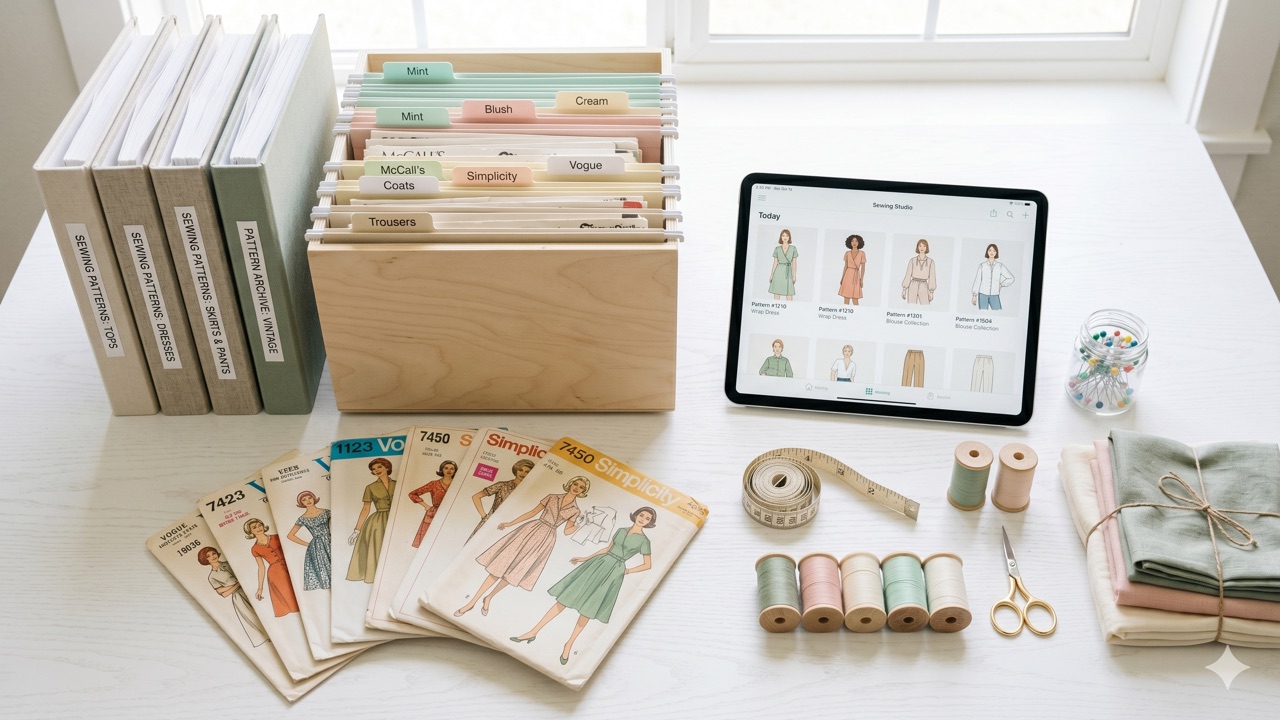
Here's the painful truth: most new sewists buy 30 patterns in their first year. Within 18 months, they own patterns they've forgotten and are buying duplicates.
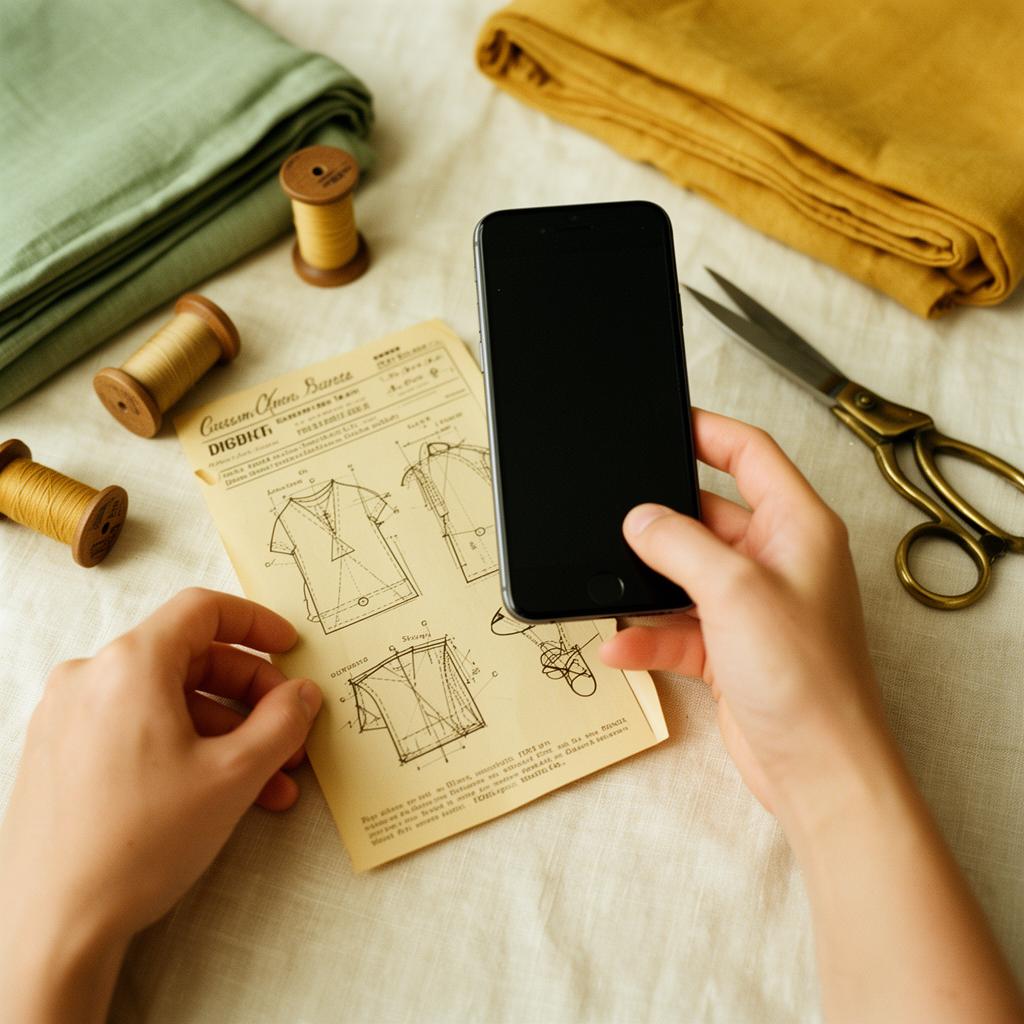
You can skip the entire mess by cataloging from the start. Sewist Studio's AI pattern scanner lets you snap a photo of each pattern envelope — it pulls out the brand, number, sizes, yardage, and notions automatically. After ten patterns, you have a searchable library; after thirty, you have a real collection you actually use.
Pick your next project in 30 seconds
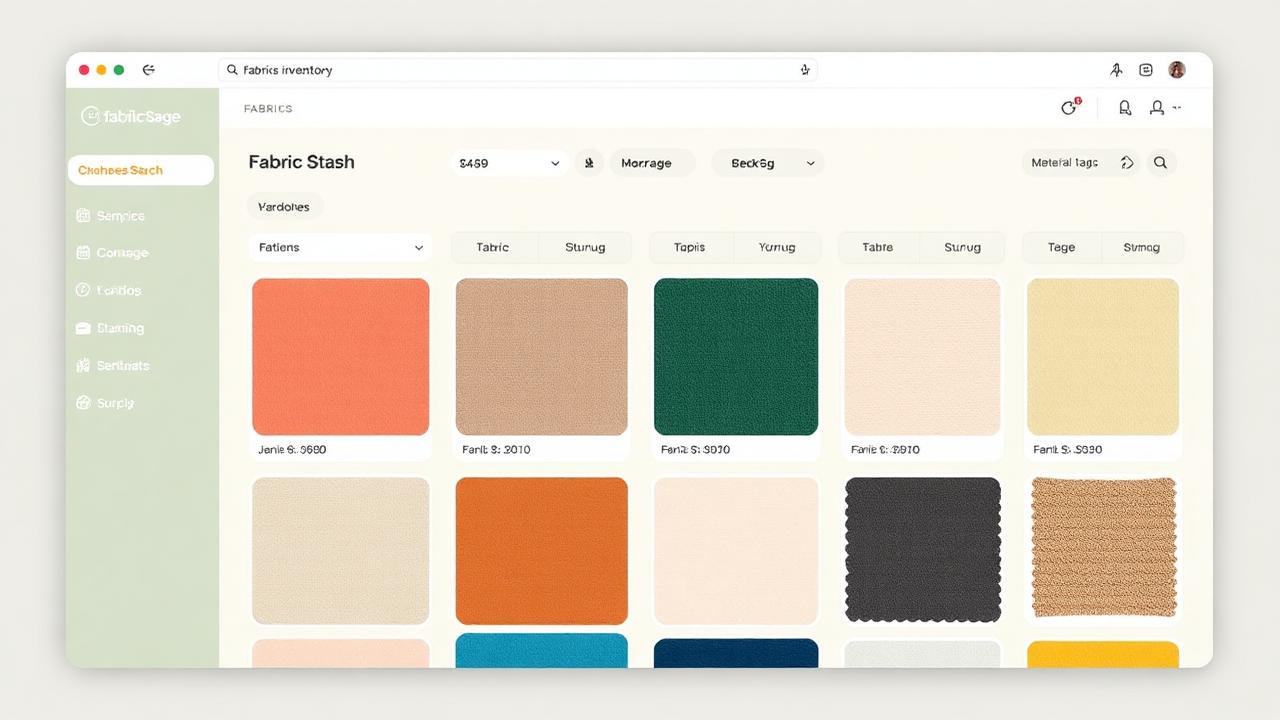
When you tell the app what fabric you own, it suggests beginner-friendly projects you have the supplies to make today. No "do I have enough yardage?" math, no "what pattern would work with this?" decision paralysis. Just: here are three things you can sew this weekend.
That's the difference between thinking about sewing and finishing things. The first 15 projects build skill — Sewist Studio keeps you sewing them.
Ready to stop scrolling sewing inspiration and start finishing projects? Start a free Sewist Studio account, catalog your first beginner patterns, and tell the AI what fabric you've got. It'll plan the next three weekends for you.