Where to Buy Fabric to Upcycle: Thrifted Linens, Deadstock, and Vintage Sheets
Once you start sewing with upcycled fabric, the whole world looks like a fabric store. Here's where to actually find the good stuff — and what to grab in each spot.
Once you upcycle, everywhere is a fabric store
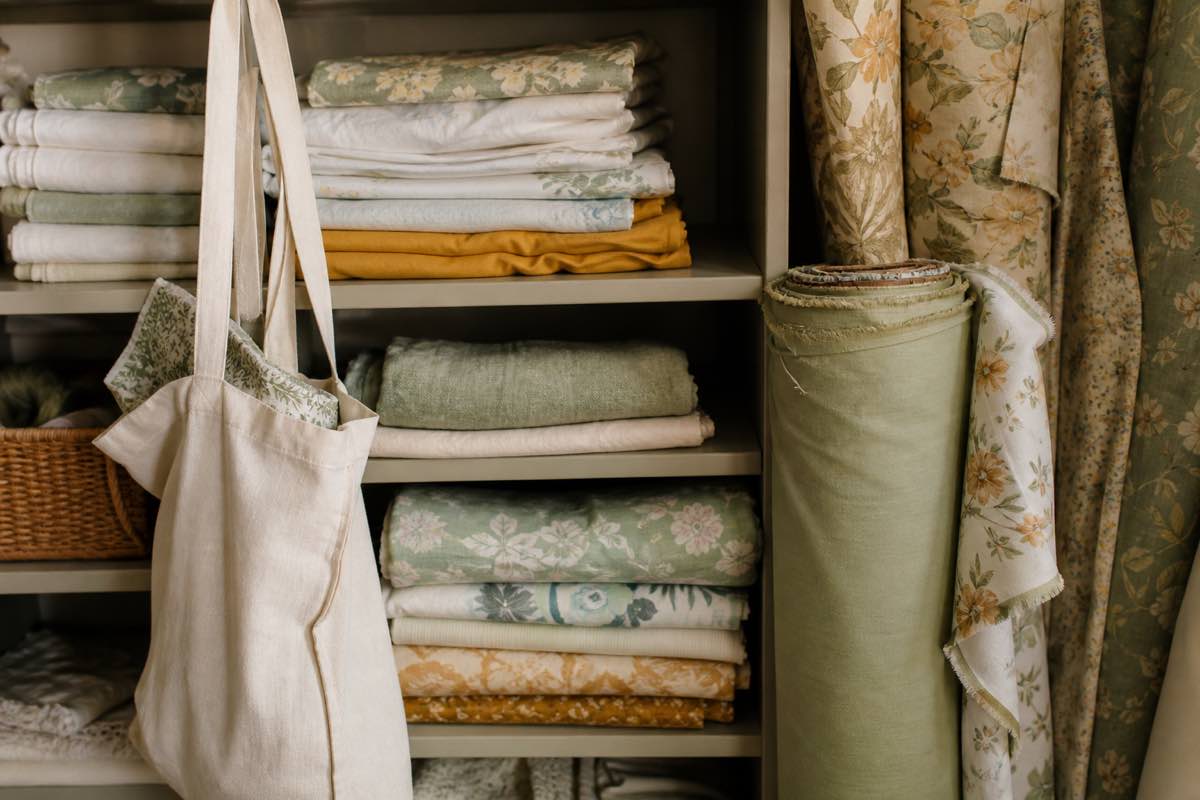
There's a moment every upcycling sewist hits: you walk into a thrift store for a mug and walk out with three bed sheets, a tablecloth, and a wool blazer you're going to "do something with." Sourcing fabric secondhand is cheap, sustainable, and genuinely fun — but it helps to know where the good material actually lives. Here's the field guide.
1. Thrift stores — the workhorse
The most reliable cheap source, in two sections:
- The linens aisle: bed sheets (especially 100% cotton/linen flat sheets), tablecloths, and curtains — yards of apparel fabric for a dollar or two. (Full how-to: turning thrifted sheets and tablecloths into clothes.)
- The clothing racks: oversized garments to refashion into something new — buy big, in good fiber.
Buy for fiber and size, not the current style or purpose.
2. Estate sales, yard sales, and church bazaars
The hidden goldmine for vintage sheets and genuine yardage. Older households often have stacks of unused fabric, sewing notions, and pristine vintage sheets in prints you can't buy anymore. Prices are usually negotiable and rock-bottom. Bring cash and go early.
3. Deadstock and remnant retailers
Deadstock is leftover fabric from fashion houses and mills — overruns and end-of-roll pieces that would otherwise be wasted. It's how you get high-quality designer fabric at a discount, sustainably. Look for deadstock specialty shops (many online), remnant bins at regular fabric stores, and end-of-bolt sales. You won't always get large quantities, so it's ideal for smaller pieces or pattern mashups.
4. Your own closet (free)
The most sustainable fabric is the garment you already own and don't wear. Worn-out jeans, a stained-but-good-fabric dress, an unloved gift — all raw material. This overlaps with refashioning, but even garments too far gone to wear can be cut down for fabric.
5. Buy-nothing groups, swaps, and destash sales
Local buy-nothing groups, sewing-community fabric swaps, and other makers' "destash" sales (people clearing their own stash) are a great, often-free source — and the fabric usually comes pre-vetted by another sewist who knows what it is.
What to check before you buy anything secondhand
- Fiber first — natural fibers (cotton, linen, wool, silk) sew and wear best. Burn-test or feel-test if unlabeled.
- Size/amount — is there enough usable fabric for a real project?
- Damage — hold to the light; check folds, hems, and corners for wear and stains.
- Smell — musty or smoky fabric needs serious washing; some never fully recover.
And always: wash before sewing (why and how).
The real challenge isn't finding fabric — it's not drowning in it
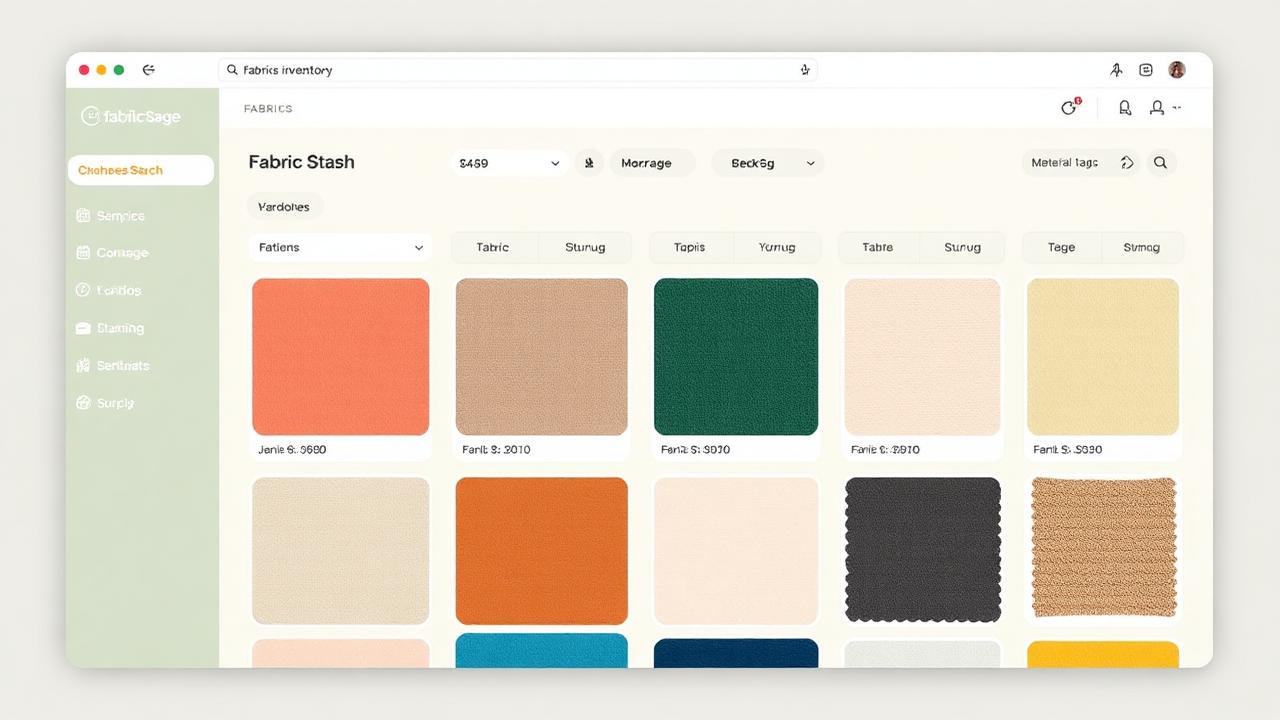
Upcycled sourcing is so cheap that the stash grows fast, and an un-tracked stash becomes clutter you never sew. The fix is to catalog every find.
Log each piece in your digital fabric stash with its fiber, usable yardage, and any flaws. Now your collection is searchable — you can "shop your stash first" — and the project planner can help you actually turn finds into finished garments instead of a growing pile.
2. Hunt thrift, estate sales, deadstock, and your closet — buy for fiber and size.
3. Wash and inspect each find.
4. Log fiber, usable yardage, and flaws in your stash.
5. Plan and sew from what you've collected — don't just hoard it.
Frequently asked questions
Cheapest place to buy fabric for clothes?
Thrift stores — sheets, tablecloths, and curtains for a dollar or two. Estate sales and remnant bins too.
What is deadstock fabric?
Leftover designer/mill fabric (overruns, end-of-roll) sold at a discount — a sustainable way to get quality cloth.
Are thrifted sheets good for clothing?
Yes — cotton and linen flat sheets are large, pre-washed, and cheap. Wash and check for wear first.
Is upcycling more sustainable?
Yes — it keeps textiles out of landfill and avoids the resources of new production.
How do I keep a big stash from becoming clutter?
Catalog every find in a digital stash with fiber, usable yardage, and flaws so it stays shoppable.
Catalog every upcycled find and keep your stash shoppable — free →