How to Start Sewing Clothes for Almost Nothing (A Budget Guide)
Sewing has a reputation for being expensive — but it's one of the cheapest ways to get unique clothes if you start smart. Here's how to begin for almost nothing.
Sewing is cheap if you start smart
Sewing has a reputation for being an expensive hobby — walls of $20-a-yard fabric, $400 machines, drawers of single-purpose gadgets. Ignore all of that. You can start sewing clothes for almost nothing, and it's one of the most affordable ways to get unique, well-fitting clothes — especially if you sew with upcycled fabric.
Here's where to spend (almost nothing) and where to spend zero.
1. The machine: borrow, then buy used
You do not need a new computerized machine to start.
- Borrow first. Ask family, friends, or a local library/makerspace — many lend machines. Confirm you enjoy sewing before buying anything.
- Buy secondhand. Thrift stores, marketplace listings, and hand-me-downs are full of cheap machines. Older all-metal mechanical machines are workhorses and often cost less than dinner.
- Skip the features. A basic straight stitch and zigzag sew almost everything a beginner needs.
Once you have a machine, log it (and its needle/maintenance notes) so you keep it running — see the sewing machine maintenance checklist.
2. Patterns: start free
You never need to pay for patterns while you're learning. There are loads of free PDF sewing patterns from indie designers and brands — our roundup of where to find free sewing patterns lists 18 trusted sources. Start there, learn the skills, and buy paid patterns later only when one's really worth it.
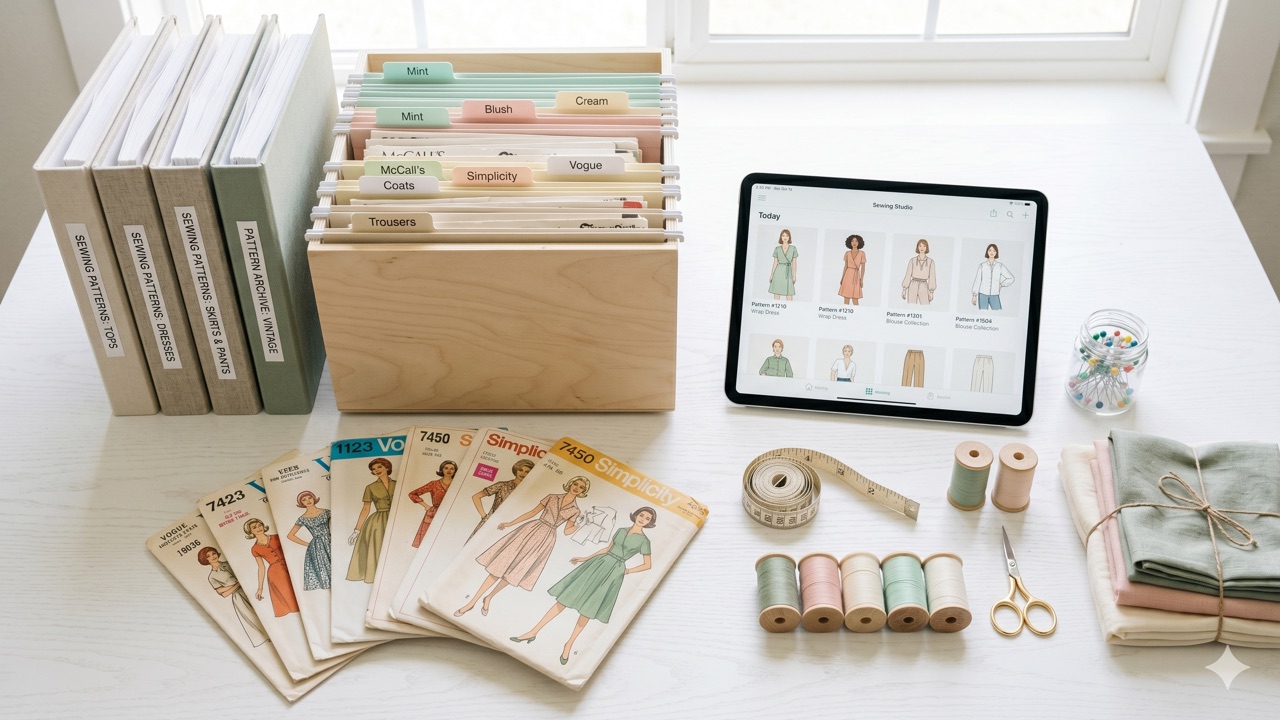
As you collect free PDFs, keep them organized so you can actually find them — organizing your digital patterns saves the "where did I download that?" headache, and your free pattern library keeps them all in one place.
3. Fabric: thrift, upcycle, and shop your closet
This is where budget sewing really wins:
- Thrifted linens — bed sheets and tablecloths are yards of fabric for a couple of dollars.
- Your own closet — refashion clothes you don't wear.
- Remnants and deadstock — see where to buy fabric to upcycle.
- Shop your stash first — the cheapest fabric is what you already own.
4. Notions: buy only what the project needs
The gadget aisle is a money pit. The genuine starter kit is short:
- Thread, machine needles, fabric scissors, pins or clips, a seam ripper, a measuring tape.
That's basically it. Buy a zipper or a pack of buttons when a project calls for it — not in advance. Track what you own in your notions inventory so you stop buying duplicate notions.
5. Start with cheap, fast wins
Pick projects that build skills without eating supplies — see easy sewing projects for beginners. Simple tops, elastic-waist skirts, totes, and pillowcases need little fabric and few notions, and finishing them keeps you motivated.
The free tool that ties it together
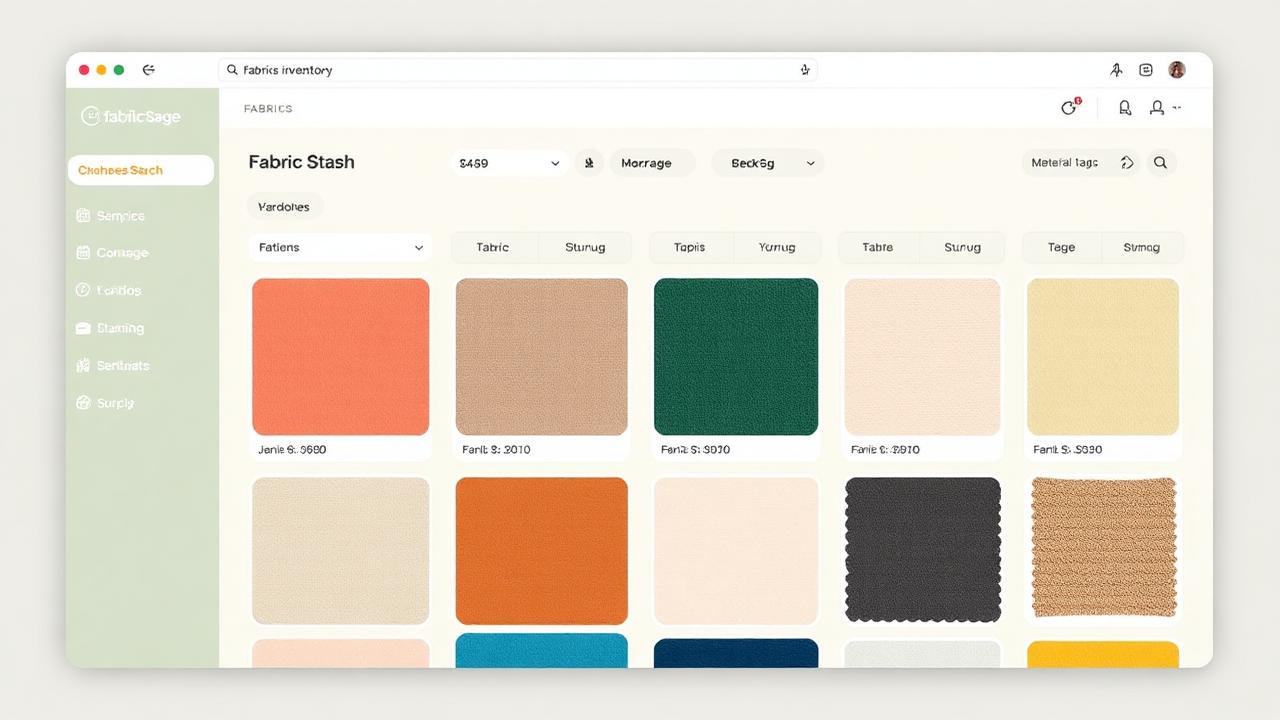
Spending less is mostly about using what you have — and you can't use what you can't see. Sewist Studio is free to start and built for exactly this: catalog your thrifted and stash fabric, store your free patterns, plan projects from what you already own, and check yardage with the fabric calculator before you spend a cent.
2. Borrow or buy a used machine.
3. Download free patterns and store them in your library.
4. Source fabric from thrift, your closet, and remnants.
5. Plan from your stash and start with simple, fast projects.
Frequently asked questions
Is sewing your own clothes cheaper than buying?
With thrifted/upcycled fabric and free patterns, yes — and you win on fit, quality, and sustainability.
Cheapest way to get a machine?
Borrow first; then buy secondhand. Older all-metal machines are sturdy and cheap.
Where do I get free patterns?
Many indie designers offer free PDFs; see our roundup of 18 trusted sources.
What supplies do beginners need?
Machine, thread, needles, fabric scissors, pins, a seam ripper, a tape measure. Skip the gadgets.
How does sewing from my stash save money?
The cheapest fabric is what you already own. Shopping your stash first avoids duplicate buys.