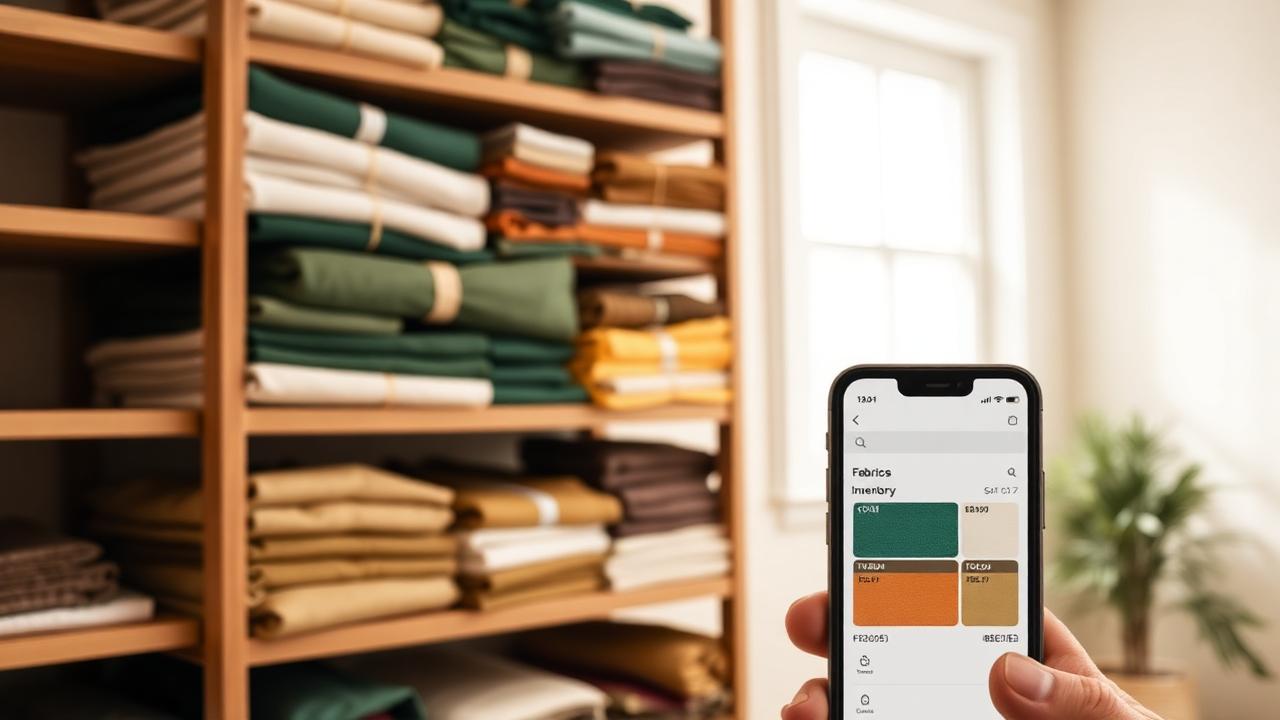
Stash Hub Alternative: 5 Sewing Organizers Compared (2026)
Stash Hub is good. It is also subscription-only and stops at garment sewing. Here is what else exists in 2026, and who each option is genuinely right for.
The short answer
If Stash Hub is working for you, stay. It is a mature, well-built app and the team ships regularly.
People go looking for an alternative for three specific reasons:
1. It is subscription-only. Roughly £3.49/month or £34.99/year, with no permanently free tier.
2. It is built for garment sewing. If you also do machine embroidery, smocking, or heirloom work, a big part of your studio has nowhere to live.
3. It does not track a sewing library. Books, magazines and pattern-brand catalogs are invisible to it.
If none of those apply, you probably do not need this article. If one or more does, here are the honest options.
Quick comparison
| Stash Hub | Sewist Studio | Threadloop | Cora | |
|---|---|---|---|---|
| Free tier | Trial only | Yes | Yes, unlimited | 5 fabrics |
| Paid | ~£3.49/mo | Free + Pro | Free + Plus | ~$6.99 one-time |
| Platforms | iOS, Android, web | Web (mobile-first) | Web | iOS only |
| Cross-device sync | Yes | Yes | Yes | No |
| Fabric stash | Yes | Yes | Yes | Yes |
| Patterns | Yes | Yes | Yes | Limited |
| Notions & threads | Yes | Yes | Partial | No |
| Machines | No | Yes | No | No |
| Embroidery designs | No | Yes | No | No |
| Smocking & heirloom | No | Yes | No | No |
| Books & magazines | No | Yes, with contents search | No | No |
| Import from a shop URL | Yes (Magic Input) | No | No | No |
| Barcode scanning | No | No | Yes | No |
| Community pattern database | No | No | Yes (~113k patterns) | No |
Details change often — this reflects what each app published as of August 2026.
1. Stash Hub — what it is actually good at
Credit where it is due. Magic Input is the best data-entry feature in this category: paste a URL from a fabric shop or a pattern listing and it builds the record for you, price, photos and all. Magic Mockup combines your fabric photos with pattern line drawings so you can see a make before cutting. It runs natively on iOS and Android as well as the web.
Stay with Stash Hub if: you sew garments, you want a native phone app, and fast entry from shop links matters more to you than breadth.
2. Sewist Studio — the widest studio coverage
Sewist Studio is the closest thing to a like-for-like alternative that has a real free tier. It covers everything Stash Hub does for fabric, patterns and notions, and then keeps going into the parts of a studio nobody else models:
- Threads, notions, and machines, each with their own records
- Embroidery designs, including PES and DST files, with a dedicated workspace
- A smocking and heirloom encyclopedia — plates, stitches, pleater guides
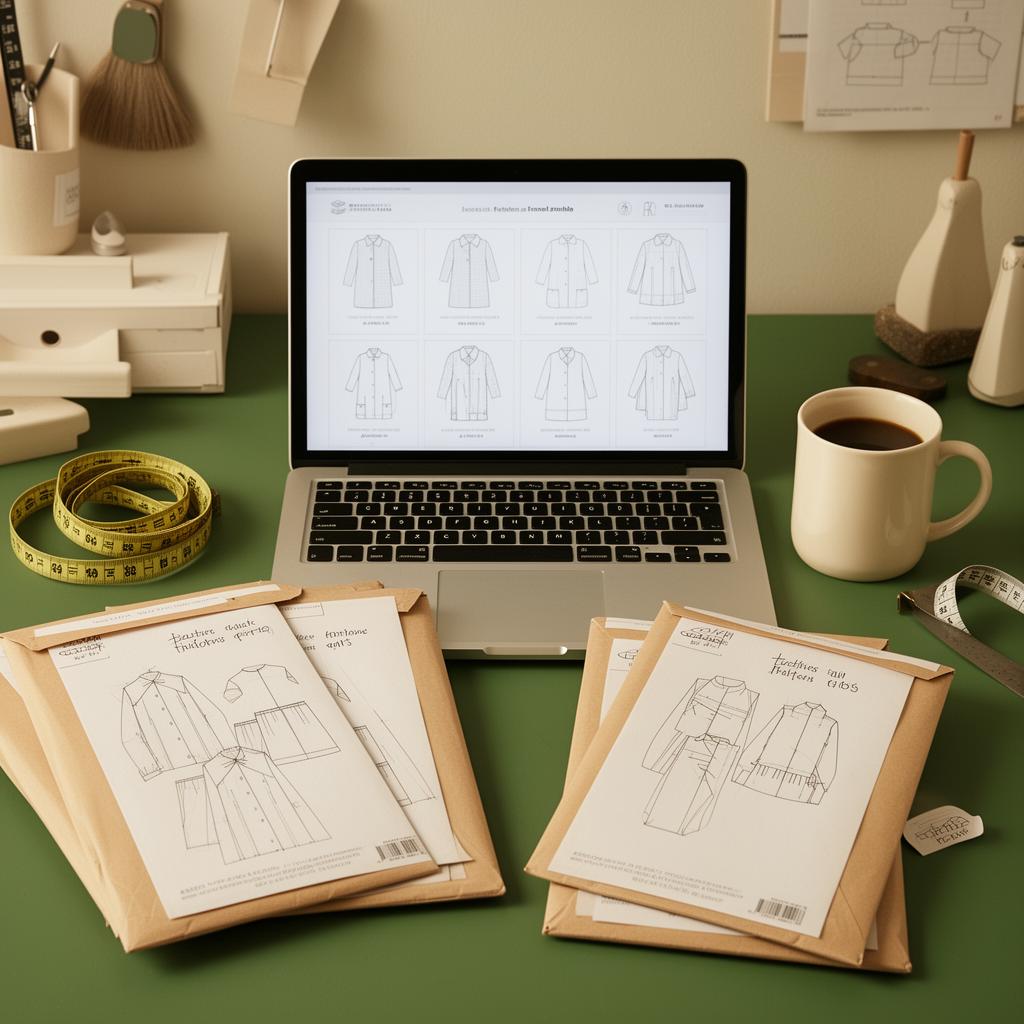
- Your sewing library — books, magazines and catalogs with an indexed contents search, so you can find the one pattern inside a book you already own
- AI tools: photo-scan a pattern envelope to catalog it, semantic search across your library, and stash-aware project planning
Be aware: there is no shop-URL import and no barcode scanning yet. If Magic Input is the reason you use Stash Hub, that gap is real.
Switch if: you do embroidery, smocking or heirloom work alongside garment sewing, you own sewing books you actually reference, or you want to start without a subscription.
3. Threadloop — the free-forever option
Threadloop is free with no cap on fabrics, patterns or projects, and its community-driven pattern database has grown past 113,000 entries. It has barcode scanning for bolt ends, yardage tracking, and search by fiber, color and weight. There is an optional Plus subscription for advanced stats.
Switch if: budget is the deciding factor, or you want a community feed and a shared pattern database more than you want studio breadth.
4. Cora — the cheapest, and the most limited
Cora is a one-time purchase (around $6.99 after a 5-fabric free trial), iOS only, and focused almost entirely on fabric. It sorts by price paid and exports your inventory to CSV or PDF, which is genuinely useful and rarer than it should be.
The catch: it does not sync across devices. Your stash lives on one iPhone or iPad.
Switch if: you only want a fabric list, you are on iPhone, and you hate subscriptions.
5. Sewbench and Quiltography — the niche picks
Sewbench is free and offline-first, which matters if you catalog in a fabric shop with bad signal. Quiltography is quilt-focused, with stash color auto-tagging, a yardage calculator, and cost, source and purchase-date tracking.
How to actually move your stash
Whichever way you go, the switch is less painful than it sounds:
1. Export or screenshot first. Get your existing data out of the old app before you cancel anything.
2. Do not re-enter everything at once. Add items as you use them. Your stash catalogs itself over about a month, and you skip the burnout that kills most migrations.
3. Start with the expensive third. Your good fabric and your out-of-print patterns are the records that actually save you money. Ordinary cotton can wait.
4. Photograph as you go. A photo-first catalog is the difference between a list you ignore and one you actually shop from.
The honest recommendation
There is no single winner, because these apps are not really solving the same problem.
- Want the smoothest garment-sewing capture and a native app? Stash Hub.
- Want your whole studio — embroidery, smocking, machines, books — in one place, free to start? Sewist Studio.
- Want free forever and a community pattern database? Threadloop.
- Want a cheap iPhone fabric list? Cora.
Sewist Studio is free to start, works in any browser, and does not need a credit card — so trying it costs you nothing but the ten minutes it takes to add your first few patterns.